
















Lemonade Levels Up
Featuring nuanced flavors, bright colors and chewy textures
Lemonade Levels Up
Featuring nuanced flavors, bright colors and chewy textures
By Leigh Kunkel
June 4, 2026
By Leigh Kunkel
June 4, 2026


As brand after brand rolls out its own line of refreshers—those fruit-flavored, often caffeinated thirst-quenchers—lemonade, arguably the original refresher, has been leveling up. A far cry from the watery mix spouted from a soda gun or the artificially sweet, electric-yellow powder, contemporary lemonades are embracing new ingredients, flavor profiles and even textures.
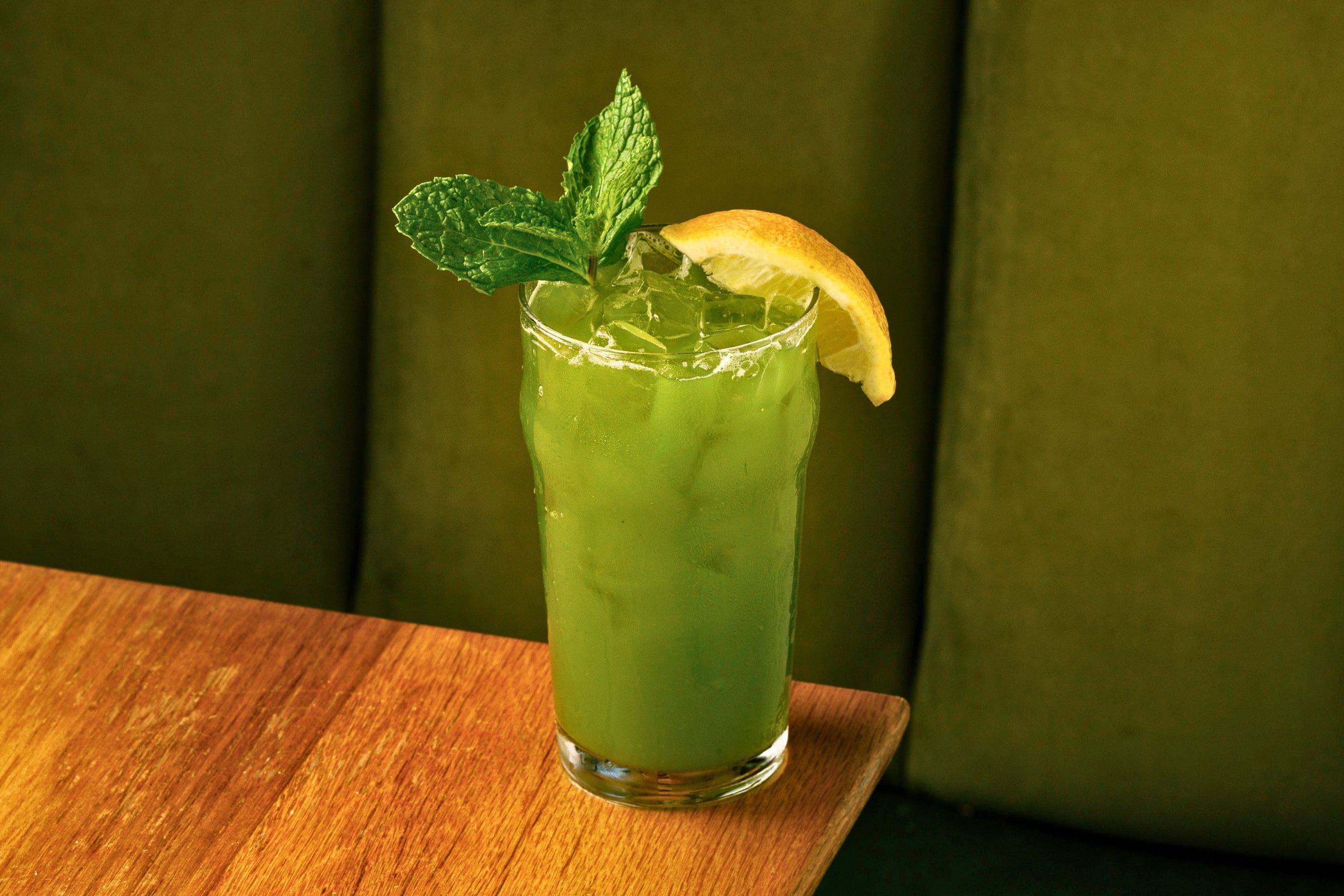
“Lemonade is such a versatile foundation because its balance of acidity and sweetness naturally welcomes experimentation,” says Lasha Tsavasa, beverage director for Chama Mama, which counts three locations in New York City. Chama Mama serves a rotating menu of seasonal lemonades, with unexpected ingredients like pear and tarragon, designed to complement the restaurant’s traditional Georgian cuisine. “Those familiar flavor elements create a comforting base that allows more unexpected ingredients—herbs, spices, florals or vegetables—to shine without overwhelming the drink,” she adds.
And while lemonade may lack the shiny appeal of a new beverage category like refreshers, it already boasts a sizable and steady following. According to Datassential, 73 percent of operators currently offer a lemonade, and 12 percent of those who don’t plan to add one within the next year. What’s more: Nearly a third of consumers drink lemonade weekly, and despite its association with lazy summer days and picnics, 68 percent consider it a year-round beverage.
Lemonade’s established reputation and the consistent demand it garners make it an ideal arena for operators to take big swings. Read on for ways operators are giving the casual quencher a glow-up.
Updating the Classics
At its core, lemonade is just acid, sugar and water. And there’s a reason for that: “The acidity quenches thirst, the sweetness carries flavor and lemons taste great with almost anything,” says Sean Hoard, partner at Portland, Ore., seafood shack Pal’s, and formerly of New York’s PDT Cocktail Bar. But that simplicity also puts every ingredient on full display, making it easy to spot when something is out of balance.
Still, plenty of menu developers relish the challenge of experimenting with new ingredients, ratios and techniques. One easy way to start? Tweak the juice. At Hope Breakfast Bar in Minneapolis, the lemonade is made with Meyer lemon and pure cane sugar—but not too much. A Mandarin hybrid from China, Meyer lemons are naturally lower in acidity, so less sugar is required to keep the drink balanced. Belfare, a locally sourced restaurant and caterer in Petaluma, Calif., also uses Meyer lemons in its seasonal winter lemonade, which is topped with Topo Chico for a burst of effervescence.
On the more complex (but still traditional) end are two more lemon-based classics: strawberry lemonade and the Arnold Palmer. At Pal’s, the two come together in the Strawberry Arnold Palmer, which combines a fresh, housemade lemonade with strawberry syrup, premium iced tea and soda water. The flavor profile is fresh and fun, while still referencing the familiar summertime favorites—the perfect complement to a food menu filled with twists on nostalgic dishes like smoked oyster chowder and chili cheese dogs.
Hoard says that guests love the combination of childhood flavors and thoughtful, sophisticated ingredients: “It has the fun energy of a kid’s drink with the balance and refinement of something you’d order at a proper bar. That combination really resonates.”
New Frontiers in Flavor and Texture
 Credit: Wow Wow Hawaiian Lemonade
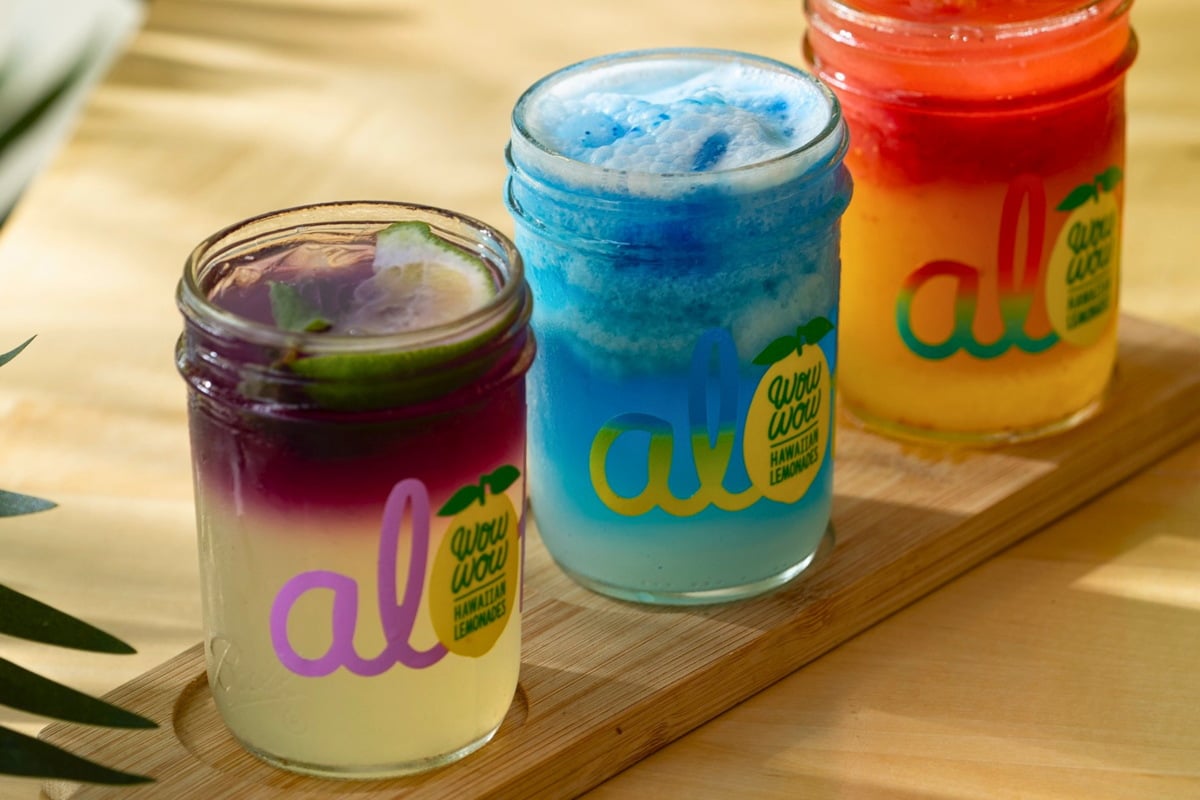
 The robust selection at Wow Wow Hawaiian Lemonade includes riffs in a kaleidoscope of colors and flavors, like the Butterfly Mojito, Blue Hawaii and Passion Strawberry (left to right).
While simple tweaks can enliven the original, other variations go well beyond the traditional lemonade. Dutch Bros has the requisite strawberry flavor, but the rest of its lemonade lineup bears little resemblance the classics. Using a dizzying array of syrups and add-ins, the brand whips up lemonade-based creations like the OG Gummy Bear, with grapefruit, passionfruit, pomegranate and watermelon, and the Poppin’ Boba Berry, which combines blackberry lemonade with strawberry-flavored tapioca pearls. It’s a lemonade innovation destined to strike a chord with younger consumers: 80 percent of Gen Z consider mouthfeel to be just as important as taste (and they’re especially fond of chewy textures), per MenuData.
Growing chain Wow Wow Hawaiian Lemonade reimagines lemonade through a tropical lens by incorporating ingredients like crushed passionfruit and pressed coconut. And flavor isn’t the only area of innovation; unexpected colors are also enlivening the menu. The Butterfly Mojito uses butterfly pea flower to crown the drink with a striking layer of purple, while the Blue Hawaii harnesses spirulina for a stunning electric-blue gradient effect.
Chama Mama took a similar cuisine-informed approach in developing its signature tarragon-lemongrass lemonade, which remains a constant even as the other lemonades on the menu rotate with the seasons.
“For us, lemonade became the perfect vehicle to introduce guests to the flavors of Georgia through tarragon, an ingredient that represents Georgian cuisine, hospitality and seasonality,” Tsavasa says. The vibrant green drink owes its color and herbaceous bite to tarragon and mint, while lemongrass adds subtle floral undertones and helps balance the earthiness of the herbs. Combined with lemonade’s citrusy base, the drink is “like spring in a glass,” she says, adding that it often sparks conversations with guests about Georgian flavors and traditions.
Behind the Bar
 Credit: AJ Meeker
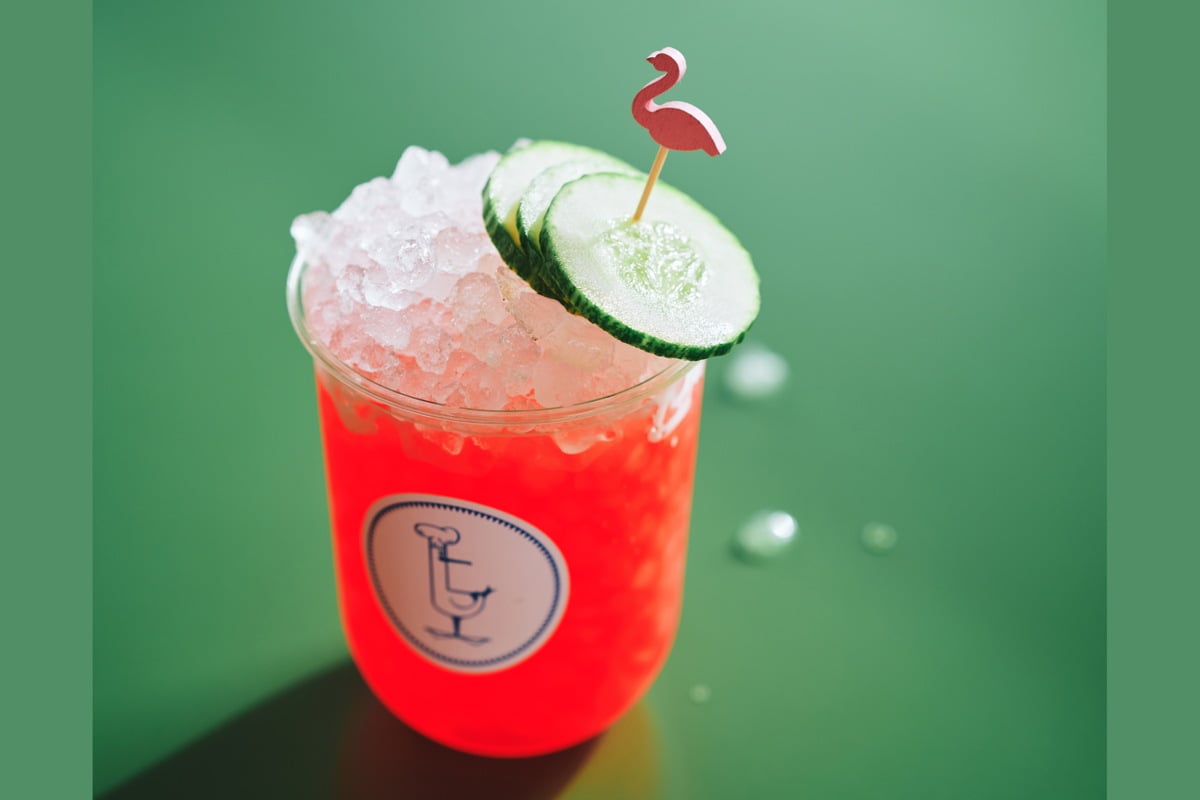
 In addition to its nonalc variations, Pal’s deconstructs strawberry lemonade and reassembles it as a cocktail in the St. Cecilia, with the addition of vodka, aperitivo and soda.
The three ingredients in lemonade—lemon juice, sugar and water—also happen to be three of the four ingredients needed for a simple cocktail. Adding a base spirit transforms it into a sour, so it’s no surprise that lemonades are finding themselves behind the bar in innovative, complex cocktails—both alcoholic and non.
The drink’s approachability makes it an ideal choice for national chains that need to consider a wide array of palates. At First Watch, the vodka-based Spiked Lavender Lemonade is a botanical take on an Arnold Palmer, and owes its violet ombré to butterfly pea flower tea. A touch of lavender adds a layer of floral aroma and flavor, both of which play perfectly against the tart lemon juice. Full-service giants The Cheesecake Factory, Outback Steakhouse and Olive Garden all serve some version of a fruity lemonade cocktail on the menu, demonstrating the drink’s adaptability and broad appeal.
Equally exciting as lemonade’s cocktail potential is how seamlessly it can serve as the base for nonalc alternatives. Benno Nelson, cofounder of Five Corners Beverage Co., a packaged nonalcoholic cocktail brand based in Chicago, was first inspired by the flavors of nimbu pani, an Indian lemonade with Himalayan black salt and often a touch of chaat masala or other spices.
“Finding the right balance between the elements in lemonade is deceptively simple, which makes it a really exciting canvas to paint on,” Nelson says. Five Corners’ Salted Lemonade, for example, taps black salt for salinity, while an aromatic spice blend of cumin, coriander and black pepper gives the drink a complex, savory edge reminiscent of a traditional cocktail.
For menu developers considering how to build out their drink menu, it’s hard to go wrong when you start with lemons, sugar and water. “People enjoy versions of lemonade all across the world,” Nelson says, “so there’s nostalgia and culture and exchange that’s happening, which really breeds creativity and celebration.”
About the Author
 Leigh Kunkel is a freelance journalist with more than a decade of restaurant industry experience as a server, bartender and sommelier. She has written about restaurant operations for B2B publications, as well as foodservice brands, including Beam Suntory and Dawn Foods. She specializes in covering flavor, ingredient and cuisine trends. Leigh has also covered the food and beverage world for a wide range of consumer outlets such as The New York Times, Eater and Vinepair.