
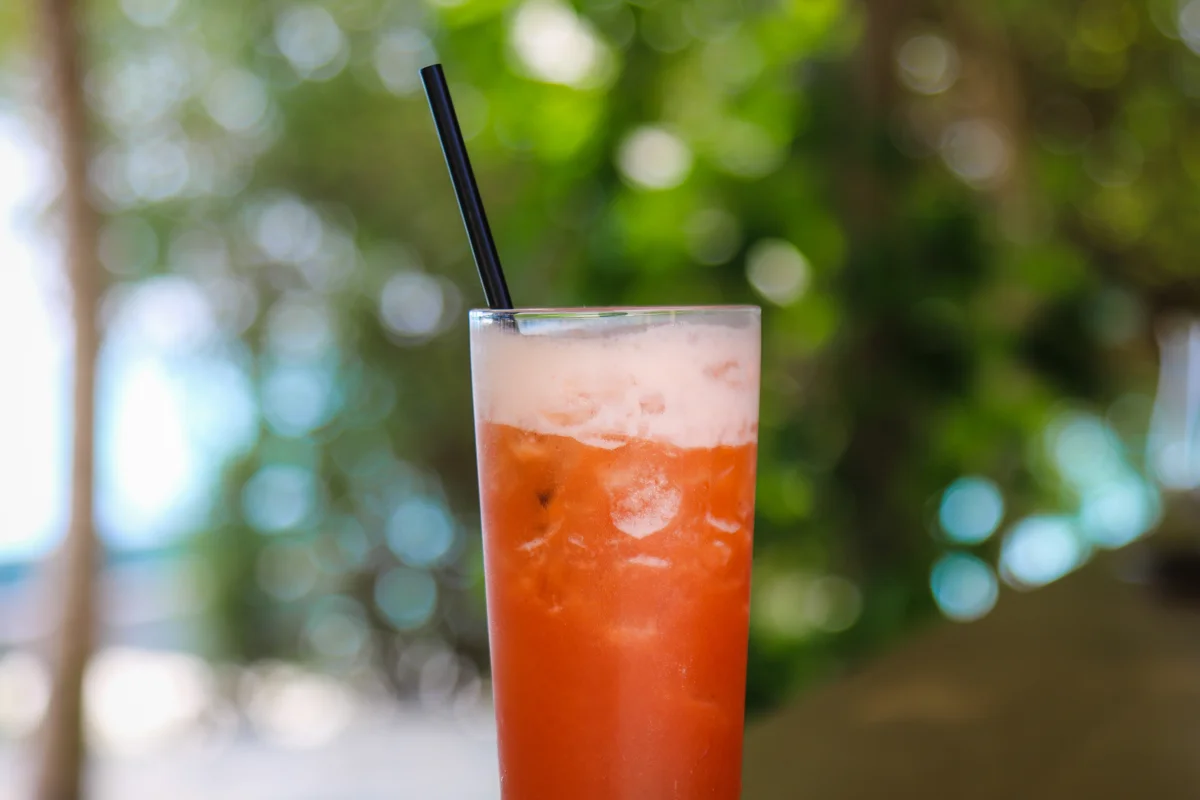
With a history much longer than the current dirty soda phase, cream soda exudes nostalgia and comfort, but with the right ingredients and techniques, it can also telegraph sophistication and global panache. The Italian cremosa, for example, taps flavored syrups in flavors like blood orange and finishes with a splash of half-and-half.
Across the Globe for Cream Soda Inspo
Plus personal ties closer to home
Editor’s Note: For many, flavor trends aren’t just about what’s new and exciting. The most compelling and impactful ones have deeper connections to cultural traditions or personal memories. Here, chef and Flavor & The Menu contributing writer Rebecca Peizer explores global traditions for fresh takes on the cream soda while also sharing what the beverage means to her.
I grew up toward the end of the American department store lunch-counter experience. Every Saturday morning, my father would take us to Woolworth, not to shop, but because he wanted us to join him in sitting shoulder-to-shoulder and enjoying one of what he considered a small luxury in New York City life: the cream soda.
Cream soda was a staple in our household—there was always a case of Dr. Brown’s Cream Soda in our refrigerator. And that childhood memory now feels surprisingly connected to the beverage renaissance we are seeing today. What was once nostalgic is suddenly new again, fueled in part by social media, where familiar flavors can become overnight sensations. The viral dirty soda is a glammed-up, customizable soft drink that owes a good part of its DNA to the iconic cream soda, which is perfectly poised for a glow-up of its own.
The Cream-Less Soda Original
Despite its name, traditional cream soda does not contain cream or dairy. Early versions were made using cream of tartar and baking soda, which produced the characteristic effervescence we know soda to have (think: science-project volcano). Some formulas were overly elaborate, incorporating ingredients such as citrus, sugar, egg and other sweeteners. The term, ice cream soda, actually emerged because some formulas had to be reconstituted with water and then served over ice.
Vanilla was incorporated to enhance the creamy impression, and the extract has since become one of cream soda’s defining features, building on its sweet appeal while also imbuing a distinct flavor profile. Other sweeteners, flavors and eventually colors followed. In our house it was, of course, always brown.
Today’s cream soda revival is going beyond vanilla syrup and food coloring. Adding dairy to soda offers more than just novelty. Heavy cream, milk and yogurt have fat and protein that can soften carbonation’s sharp sensation and give the drink a rounder mouthfeel. Dairy can also contribute something almost always missing from traditional soft drinks: nutrition. Although calcium and protein weren’t traditionally a top-of-mind concern in the soda category, protein-maxxing and other good-for-you trends are lending such ingredients a strong tailwind. And with a more wholesome character, the resulting concoction feels less like a soda and more like a composed beverage that can be served any time of day.
Even better, cultures across the world have their own variations of cream sodas, offering menu developers a bevy of flavors and ideas for revamping the classic.
Italian Cremosa 🇮🇹
Sometimes, history has a funny way of illuminating the less savory side of food and beverage, and it finds a way to create a lasting tradition out of necessity. Sparkling libations, such as beer and wine, served as safer, sterilized alternatives to water, while bitters, herbal tonics and flavored syrups promised relief for an assortment of ailments.
In the late 19th and early 20th centuries, Italian immigrants settling in San Francisco’s North Beach neighborhood recreated some of their beloved flavored syrup traditions and recipes, which could not have arrived at a more opportune moment. Soda fountains were flourishing across the country, and for the Italian-American community, this provided an opportunity to reinterpret something familiar through an American lens. By adding a splash of half-and-half to sparkling water along with raspberry-flavored fruit syrup and an indulgent whipped cream topping, the Italian cremosa was born: part humble fountain drink, part liquid dessert.
In the years since, Italian sodas have found their way into mainstream American dining culture. Their enduring appeal is showcased by how endlessly customizable, visually inviting and easy-to-adapt this fountain drink can be. While the simple soda and flavored syrup combo may be more ubiquitous, the cremosa arguably offers more opportunities for innovation because it incorporates a new element. The cream component introduces new flavors, textures and visual characteristics, lending contemporary, menu-worthy and potentially viral versions of the classic cremosa without losing its traditional appeal.
Try featuring botanical and functional flavored syrups such as elderberry and fennel, vibrant ube whipped cream and hot honey syrup. Or add savory notes of salted egg yolk or even goat milk and bacon whipped cream. The Italian soda is primed for continuous evolution across all dayparts as a whimsical and iconic beverage option for all types of consumers.
Punjabi Doodh 🇵🇰🇮🇳
Another global example comes from the Punjab regions of India and Pakistan. Doodh soda, a cold beverage made by combining milk with lemon-lime soda and often rosewater or rose syrup, often incorporates the regional cream soda, Pakola.
The combination may sound unusual, but the flavors and textures complement one another to create something wholly original. The milk softens the soda’s acidity and carbonation, while rose adds a floral, luxurious and aromatic dimension. Doodh is usually associated with Ramadan, when refreshing beverages are enjoyed after the holiday fast. This cream soda is a wonderful reminder that adding dairy to soda isn’t unusual or even new; when viewed through a cultural lens, it’s actually quite common.
Mexican Horchata 🇲🇽
Horchata is a beloved staple of Mexican food culture, found at taquerias, street markets and family gatherings. Its signature creaminess comes not from true dairy but from rice, traditionally blended or steeped with water and infused with cinnamon, vanilla and sugar.
Adding carbonation gives horchata a bubbly new identity. The familiar flavors are still there— warm cinnamon, vanilla and sweetness—but carbonation seems to transform the drink into something more modern. This version of cream soda is a meeting of two kinds of comfort: the craveability of horchata and the nostalgia of cream soda. Blend in some dairy in the form of brown butter to add a toasty note, or add prepared cacao for extra indulgence and a nod to the ancient Mayan tradition.
French Crème Brûlée Soda 🇫🇷
This is the dessert that was practically destined to become a soda.
Crème brûlée makes its way into an effervescent drink akin to a fancy eggnog. A vanilla bean custard base provides the creamy foundation, while burnt sugar syrup brings the savory and slightly bitter character of its namesake, “brûlé,” which means burnt. Add some lemon as a bright counterpoint, and the carbonation lifts the combination up so that these flavors can be enjoyed all day, not just for an after-dinner dessert.
This is pure luxury that does not require a spoon to enjoy. For a fanciful and obvious garnish, try rimming the glass by dipping it in a thin burnt caramel, reminiscent of the pleasure of tapping through crème brûlée’s signature brittle crust, one sip at a time.
Persian Doogh 🇮🇷
Long before yogurt drinks became synonymous with contemporary wellness culture, many Middle Eastern and South Asian cultures had already embraced yogurt as a beverage with drinks like lassi, flavored with mint, mango, rose, cardamon and other aromatics.
Another regional version of lassi is doogh, a yogurt and, most often, carbonated drink found across Iran, Afghanistan and neighboring regions that combines yogurt, water, salt and dried mint. This beverage makes a perfect and traditional reference point for today’s dairy-based sodas, ranging from savory and salty to sweet and fruity to highly aromatic and spiced.
While the cream soda of my childhood may have started with my father, it is worth noting that what is old is new and what is new becomes old, and the cream soda is no exception. And that is part of the appeal of a cream soda: It doesn’t have to just be a drink; it’s also a memory and a viral moment, a beverage and a dessert. My father’s Saturday morning ritual may have belonged to another era, but as such treats change with the times, the pleasures and memories they evoke are timeless.
About the Author
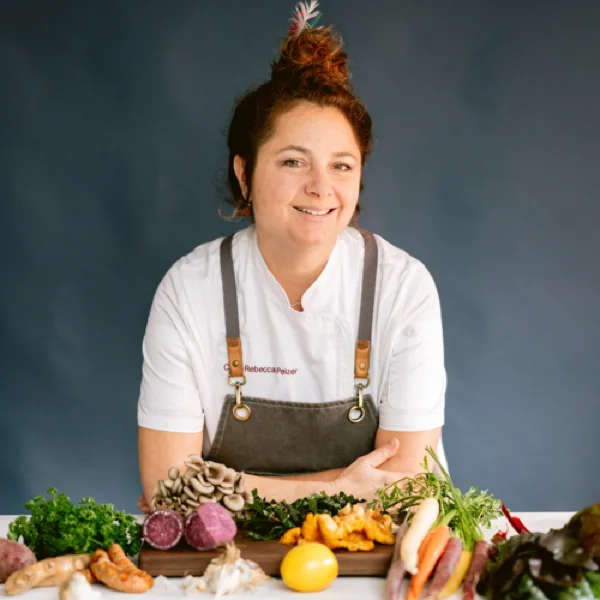 Chef Rebecca Peizer is the owner of the culinary consultancy All Things Culinary LLC, as well as a professor, consulting partner, digital media talent and conference stage manager for the Culinary Institute of America. She has worked for many esteemed wineries, restaurants, resorts and culinary schools in New York, Boulder, Las Vegas and Napa Valley, Calif. She helped implement the nation’s first farm-to-table culinary program and has written culinary job training programs for wellness recovery programs such as the Salvation Army. Rebecca is a certified Olive Oil Sommelier, ProChef II, Certified Executive Chef, cheesemaker, herbalist and forager and can often be found gathering wild food and medicine in Northern California.Click to Read More Stories by Rebecca Peizer
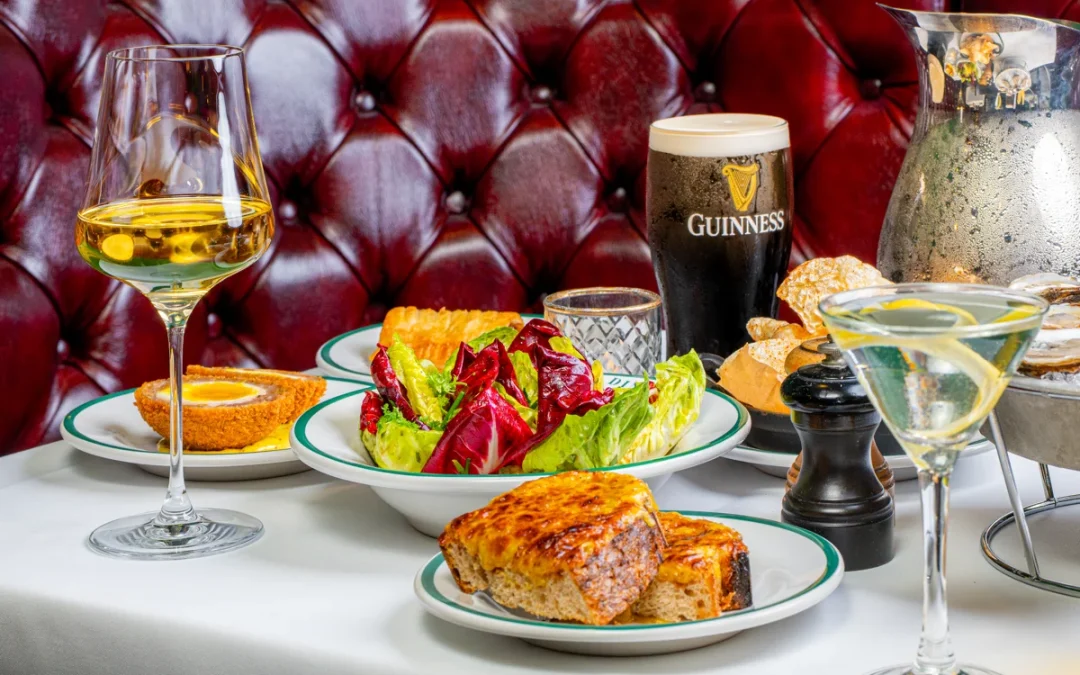
The British Pub Invasion Bringing fresh enthusiasm to an overlooked global cuisine
Flavor Trends, Strategies and Solutions for Menu Development[google_sidebar_ad adslug="2026-10-Surround-McCain-320x50"...
Decoding Next-Gen Flavor Behavior Mexican flavor profiles applied across formats deliver the priorities younger consumers seek
Flavor Trends, Strategies and Solutions for Menu Development[google_sidebar_ad adslug="2026-10-Surround-Megamex-320x50"...
Ranch Pop Rocks, Garden Cocktails and Pumpkin Everything Exploring microtrends, one bite and sip at a time
Flavor Trends, Strategies and Solutions for Menu DevelopmentProving that the ranch renaissance still...
