
Credit: Pei Wei
Flavor Trailblazer: Brian Dreeland
Turning craveable flavor into fresh reasons to visit Pei Wei
At fast casual Pei Wei Asian Kitchen, flavor innovation is closely connected to the marketing strategy, giving the brand a steady stream of new stories to tell and guests new reasons to visit. Brian Dreeland, VP of marketing, oversees brand strategy, digital marketing, social, loyalty, product launches and menu innovation for Pei Wei and sister brands Pick Up Stix and Leeann Chin. That broad purview gives him a unique perspective on how flavor can build buzz, strengthen brand relevance and ultimately drive traffic.
That means filtering fast-moving trends through the brand’s Asian flavor lens, balancing innovation with broad appeal and leveraging LTOs to generate excitement in an increasingly competitive marketplace. We sat down with Dreeland to talk about the marketing power of menu innovation, the continued momentum of sweet heat and Korean flavors, and why sometimes a simple “quarter turn” on an existing favorite can generate the biggest win.

Brian Dreeland
Katie Ayoub: What is the biggest challenge for Pei Wei when it comes to flavor innovation?
Brian Dreeland: When I think of flavor innovation specifically, I think of trying to find that balance between innovation, something that is interesting and different. Is this something that they’re actually going to get? Is it too far out of the box? I think that our consumers nowadays are more adventurous than they’ve ever been. There’s way more exposure to new flavors and ingredients through restaurants, travel and even influencers on social media. One of the things I really enjoy is working closely with our culinary and operations teams to figure out not only what tastes great, but what makes sense for Pei Wei and resonates with our guests. There are so many good flavors out there. It’s easy to get off track with what your brand identity actually is.
KA: Value is such an important part of the conversation today, but it means different things for different brands. How do you approach the value equation?
BD: Consumers are paying more attention to where they’re spending their money today, so I think value has never been more important to us. But value can mean different things—it’s not necessarily just who has the lowest price. People are associating value with portion size, quality of ingredients, how fast they can get that food and how convenient our restaurants are to their house. And at the end of the day, once they do make that purchasing decision to buy your product, was it worth it? Was it worth the money that they paid?
Nowadays, you might go to a fast-food restaurant and get their combo meal because it’s supposed to be the best value, but combo meals don’t cost what they used to. You’re paying $11-$13 depending on what state you’re in. If you go into a Pei Wei, you’re able to get one of our chicken entrées for $12.49, made fresh and customized to your preferences. A freshly made meal “wok’d” to order in just minutes for less than many fast-food value meals—we think that’s a really compelling value proposition.
 Credit: Pei Wei
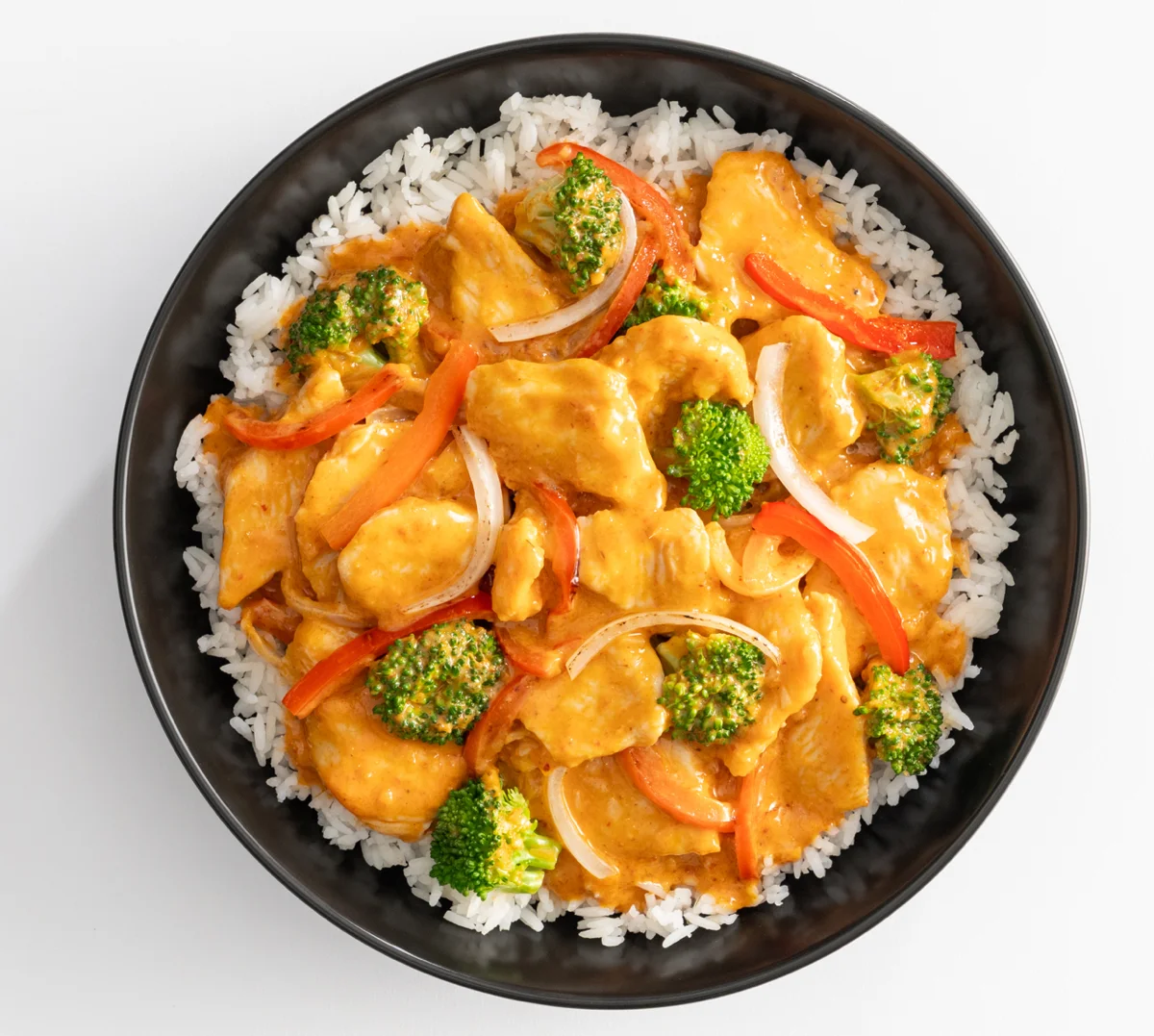
 Priced at $12.49, Pei Wei’s Thai Coconut Curry Chicken delivers on multiple fronts: The flavorful entrée is gluten-free and under 400 calories per serving, pairing the brand’s value proposition with its push toward lighter menu choices.
KA: How do you filter today’s trends through the Pei Wei lens?
BD: We don’t want to chase trends just because they’re trending. It needs to fit in your restaurant. We’ve found ways to fit some of those trends in our restaurant, but there has to be some kind of natural connection to our menu. We’re really lucky because we get to play in the Asian food playground. There are so many unique sauces, flavors, ingredients and textures to explore that we really see the world as our oyster. Right now, we have 20 different sauces in our restaurants. That gives us 20 distinct flavor profiles that we can pair with different proteins and ingredients, creating a tremendous amount of room for innovation. I think guests are leaning toward layered experiences, especially with flavor. So pairing citrus with heat, spicy with sweet, or savory with another flavor. People love a little bit more complexity in their food. That’s something that we’re having a ton of fun delivering for guests right now.
 Credit: Pei Wei
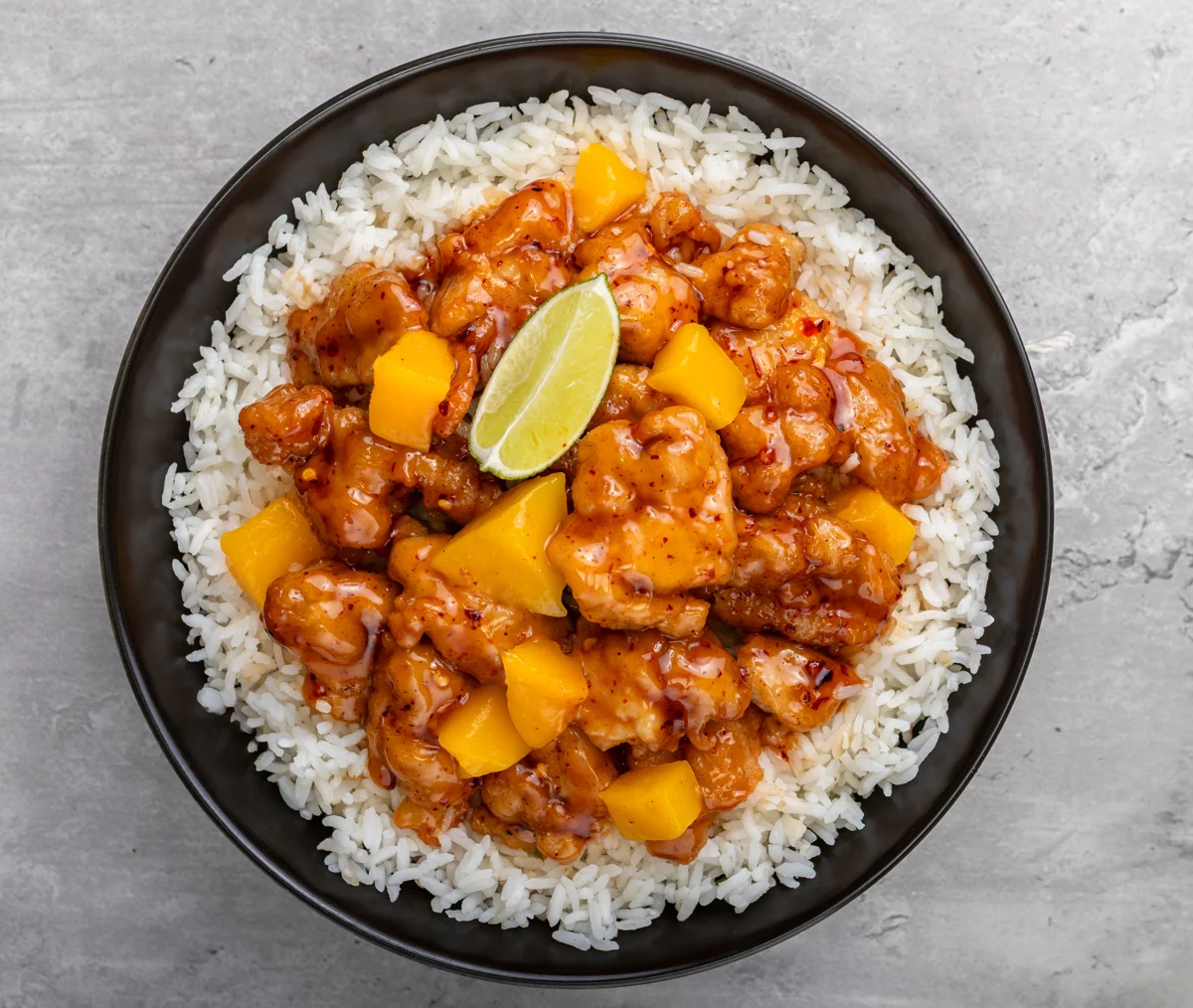
 Pei Wei’s Honey Mango Chili Chicken layers honey-centric sweetness with mango, chile paste and chile flakes, then finishing with lime for a bright hit of acidity. Launched as a summertime LTO on National Mango Day, the dish quickly climbed to become one of Pei Wei’s top five menu items.
KA: What flavor trends are providing the most inspiration right now?
BD: In all honesty, sweet heat is probably the thing that’s the most in our wheelhouse that we’re having success with. Guests want heat, and we’re increasingly seeing that. But pairing it with sweetness as opposed to just giving them heat for the sake of giving them heat has been something that we’ve had a lot more fun with. Most recently, honey-chile sauces, mango-habanero snacks and even sweet-and-spicy drinks have all helped inspire some of our thinking.
KA: How often are you introducing LTOs?
BD: Usually, every quarter or sometimes every two months. When we’re putting out an LTO, I would say we need at least six weeks for it to make sense, to get the word out there. But I like to give it a longer runtime than that. Anywhere between two and three months, depending on the seasonality and relevance of the dish we’re introducing.
KA: From your perspective as a marketer, how important are LTOs as a way to generate news and excitement around the brand? Are they more important today than they were three years ago?
BD: Definitely more so today than three years ago. Brand relevance is everything right now, as is making sure we’re putting new, interesting ideas in front of consumers to get them back into the restaurant. Things are changing so quickly. Things are changing so quickly, and consumers are seeing more messages than ever, so we need to cut through the noise with strong visual storytelling that entices guests and reminds them why they should choose Pei Wei. Of course, the main reason that people are coming into our restaurants is because of our food. We’re always trying to innovate, to come up with something new and to give people a reason to talk about our brand. So LTOs are very important.
KA: Pei Wei has also introduced lighter, protein-focused dishes. What’s the strategy there?
BD: We thought that was a really important distinction on our menu. While we have a wide variety of options, truth be told, most consumers who come in will order the things that are a little bit more craveable and savory, that they maybe don’t want to order every day. With the lighter menu, we’re helping our guests recognize that we have other lighter, flavor-forward options under 400 calories per serving, like our Signature Lettuce Wraps, Thai Basil Chicken, Salmon Poke Bowl or Thai Coconut Curry. We wanted to give guests other flavor options that they could enjoy a little bit more frequently.
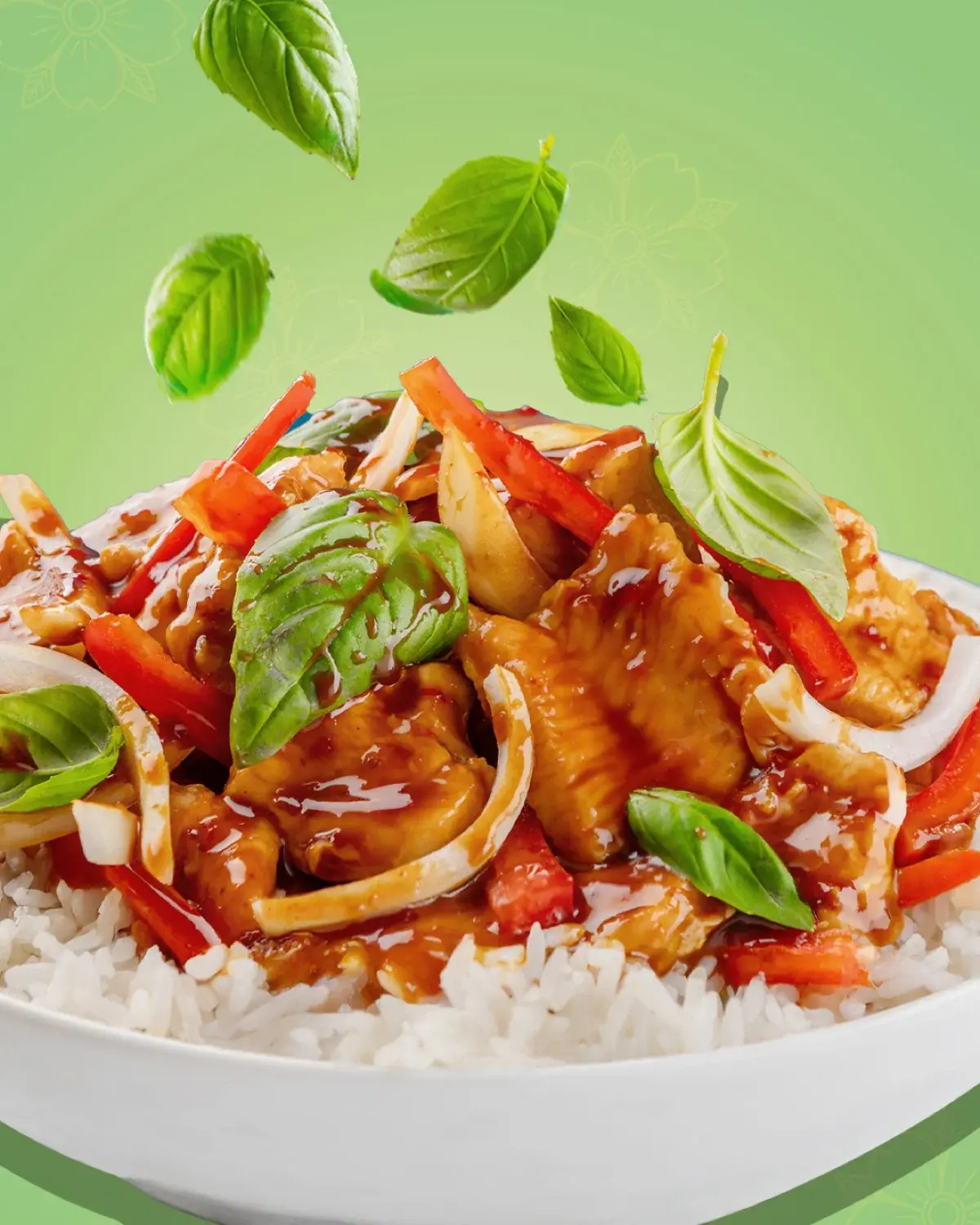 Credit: Pei Wei
 The Thai Basil Chicken is part of the brand’s push to spotlight lighter, protein-focused choices, giving guests a flavor-forward option under 400 calories per serving. The strategy, Dreeland says, is to broaden the occasions for Pei Wei by offering lighter dishes guests can feel good about ordering more frequently.
KA: Firecracker Chicken is one of Pei Wei’s most popular menu items. What makes that flavor profile work so well?
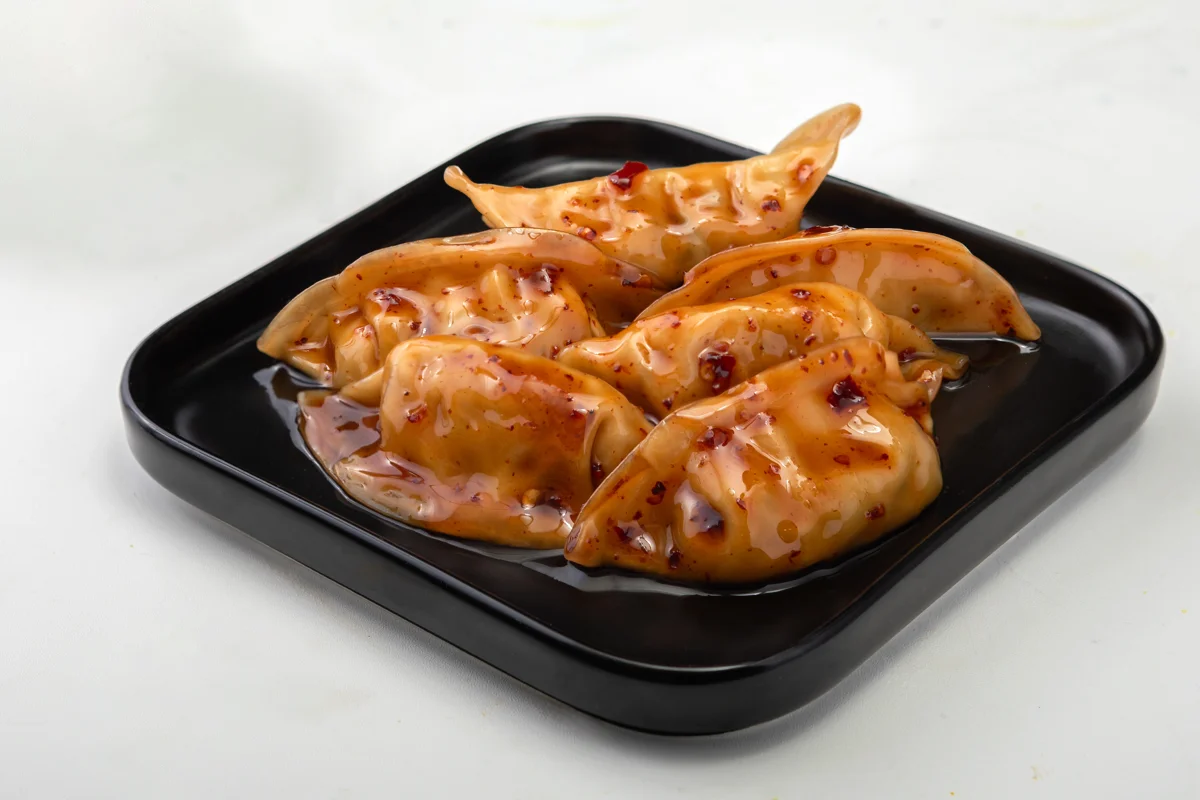
BD: We talk about layered flavors, and Firecracker Chicken checks all the boxes. Firecracker sauce is our most popular flavor at the restaurant. It’s simply a sweeter sauce that ends with a little bit of a spicy kick to it. Guests love that flavor profile. We launched the Firecracker Chicken in 2021, and by week two, it was our most popular sauce and we just never looked back. Since then, we’ve expanded the flavor into our crispy Firecracker Shrimp, and most recently, our new Firecracker Chicken Dumplings—both have been very popular The heat level is really only a two or three—it’s not that spicy. It’s chiles and soy and a little bit of sugar. It’s basic ingredients that we use to create the sauce. It seems so simple, but people absolutely love it.
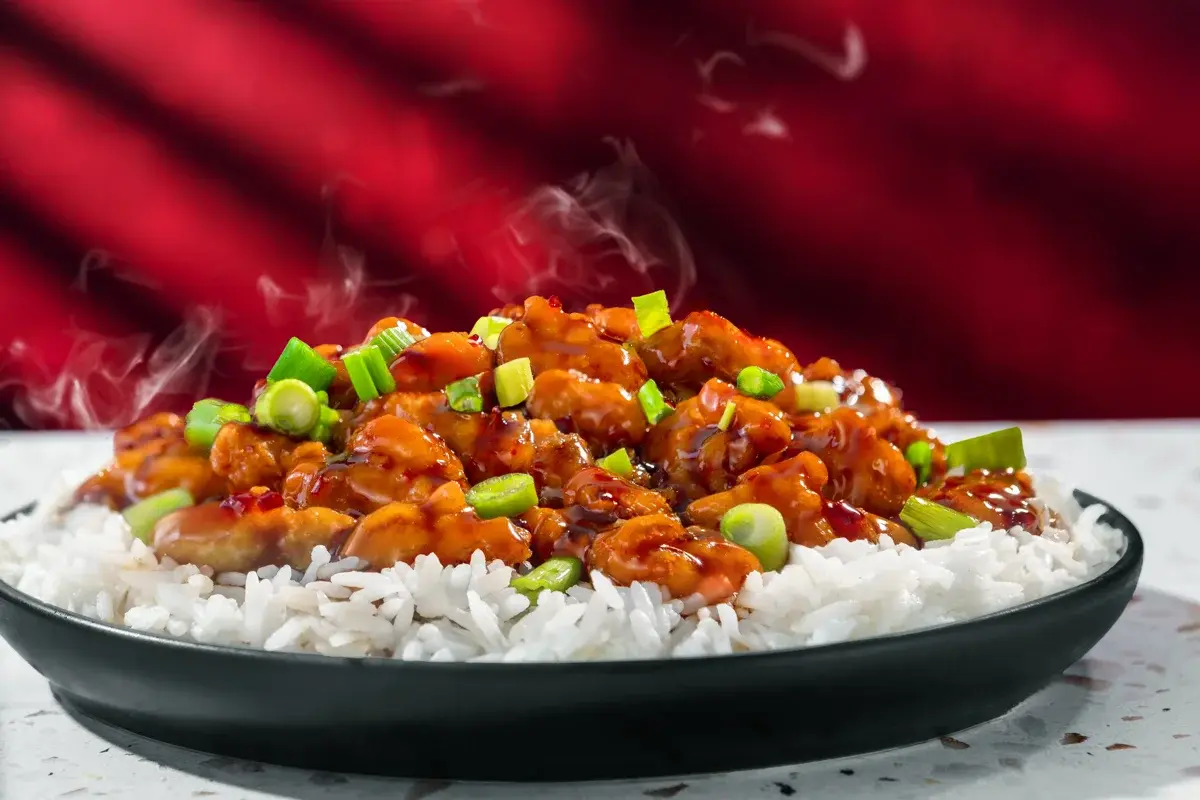 Credit: Pei Wei
 Pei Wei’s Firecracker Chicken has become a signature menu item, pairing sweetness and savory notes with a mild chile kick. The sauce became the brand’s most popular within two weeks of its launch, underscoring the broad appeal of layered sweet-heat flavors.
QUICKFIRE
Source of inspiration:
Anytime I go out to restaurants—especially when I’m traveling—that’s probably the best place to find inspiration. I’m always looking at the menu, seeing what sounds good, unique, different. Social media for sure as well. We work with a lot of influencers, and we’re always checking out their sites to see what they’re doing. Then we’re taking all of that information, pairing it with our culinary and ops teams to see what we can come up with that makes sense for our brand, that we think guests are going to love.
Something in your fridge that would surprise people:
I should preface this with: My son has a pet bearded dragon. So, there are worms in our refrigerator. But in terms of edible food, the other day I was at Pei Wei and I brought my food home. You wouldn’t think, being exposed to so much of your own food that you’re actually bringing the stuff home. But I did. Sometimes I find it even better the next day. It’s able to kind of marinate and meld the flavors together.
Best bite you’ve had recently:
I recently went on a cruise to Alaska, and one of the stops was Victoria, Canada. We ended up stopping at this tiny seafood restaurant on the shore, and they had this seafood paella that was just out of this world. Another really good experience was at Mexican Sugar in Dallas. Somebody convinced me to get a bone-in pork chop there—not an item you would naturally gravitate toward, but it was so delicious. It was chile-brined and then they slow roasted it with this orange-agave butter. It was amazing.
Ingredient you’re excited about:
Chile crisp. I don’t think it’s hit its full potential yet. It brings not just heat, but also that crispy texture, which I think is still a little untapped, at least for our brand. There’s so much more we can do with it, experimenting with different heat levels, acidity and different chiles. Especially in the Asian space, there’s a lot more to explore. That’s an ingredient that’s right up my alley.
Go-to late-night snack:
Anything that my kids haven’t eaten that’s still left in the pantry.
About the Author
 Katie Ayoub serves as managing editor of Flavor & The Menu and content strategist for the Flavor Experience, an annual conference geared toward chain operators. She is president of Katie Ayoub & Associates, serving up menu trends expertise, content creation and food & beverage consultancy. Based in Chicago, Katie has been working in foodservice publishing for more than 20 years and part of the Flavor team since 2006. [email protected]Read More Stories by Katie Ayoub
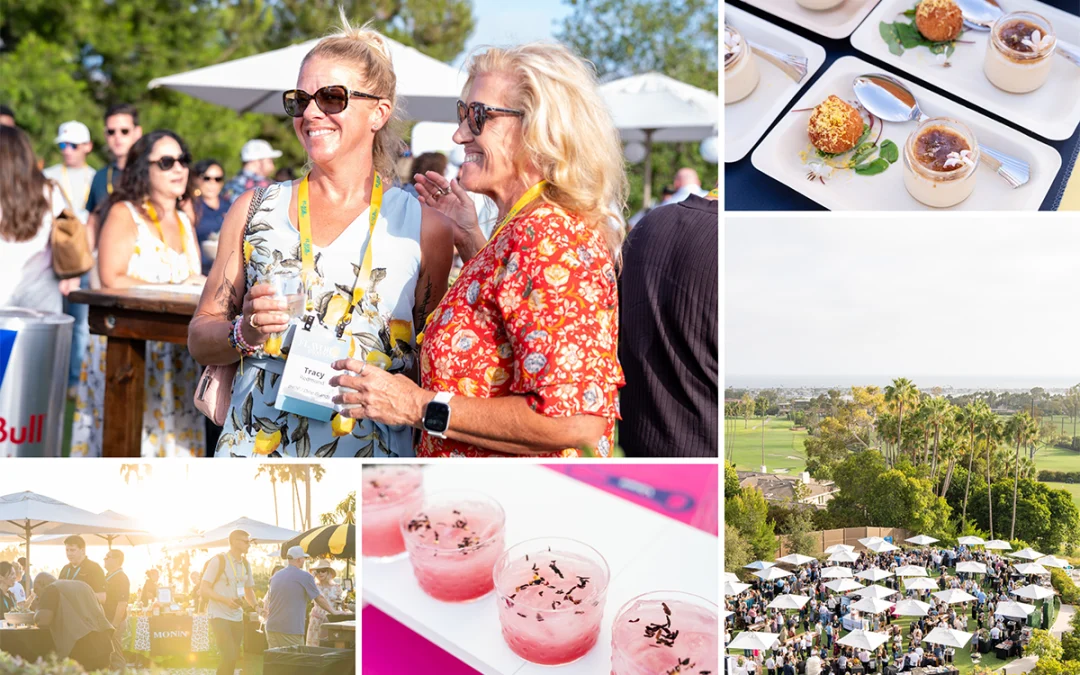
Flavor Experience 2026 A look at the flavors, ideas and insights moving menus forward
Flavor Trends, Strategies and Solutions for Menu DevelopmentAttendees take in the Southern...
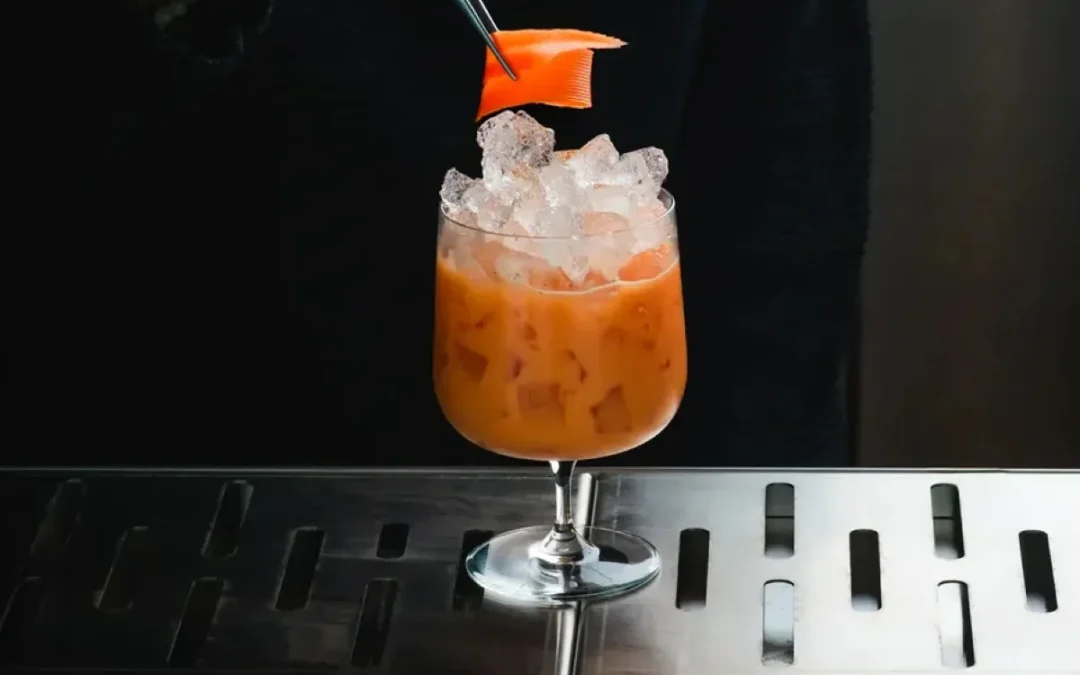
Bites & Sips: Carrot Glow Ups and Butter Gets Even Better Exploring microtrends, one bite and sip at a time
Flavor Trends, Strategies and Solutions for Menu DevelopmentCarrot juice finds a welcome spot on the...
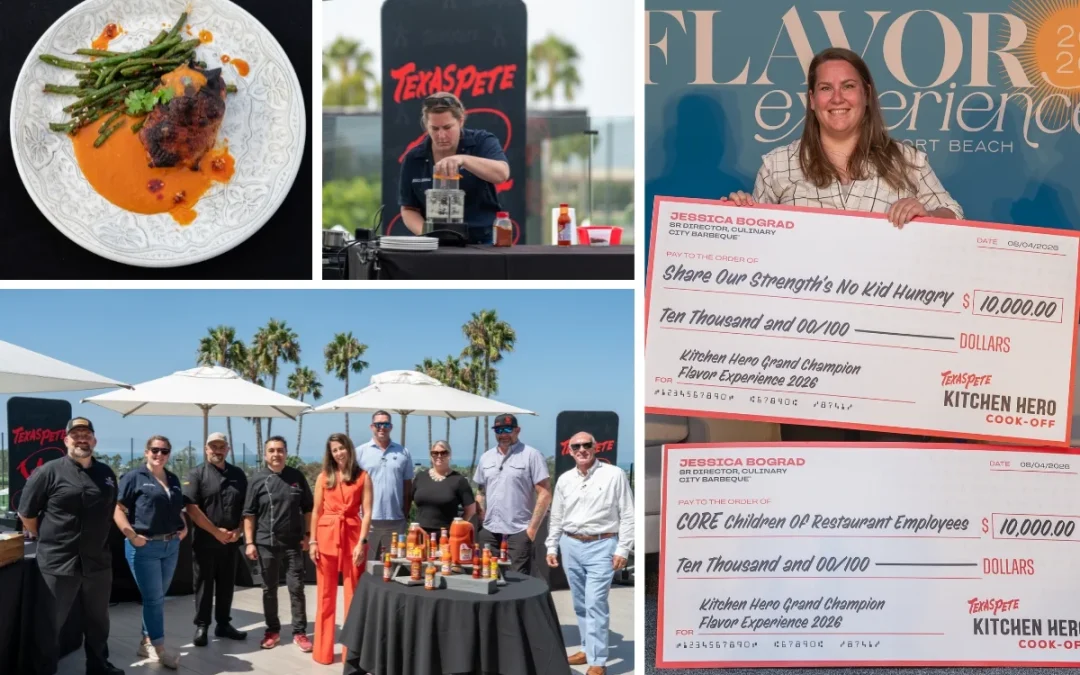
Texas Pete Kitchen Hero Cook-Off 2026 Winning chef earns Grand Champion honor at The Flavor Experience
Flavor Trends, Strategies and Solutions for Menu Development[google_sidebar_ad...
