

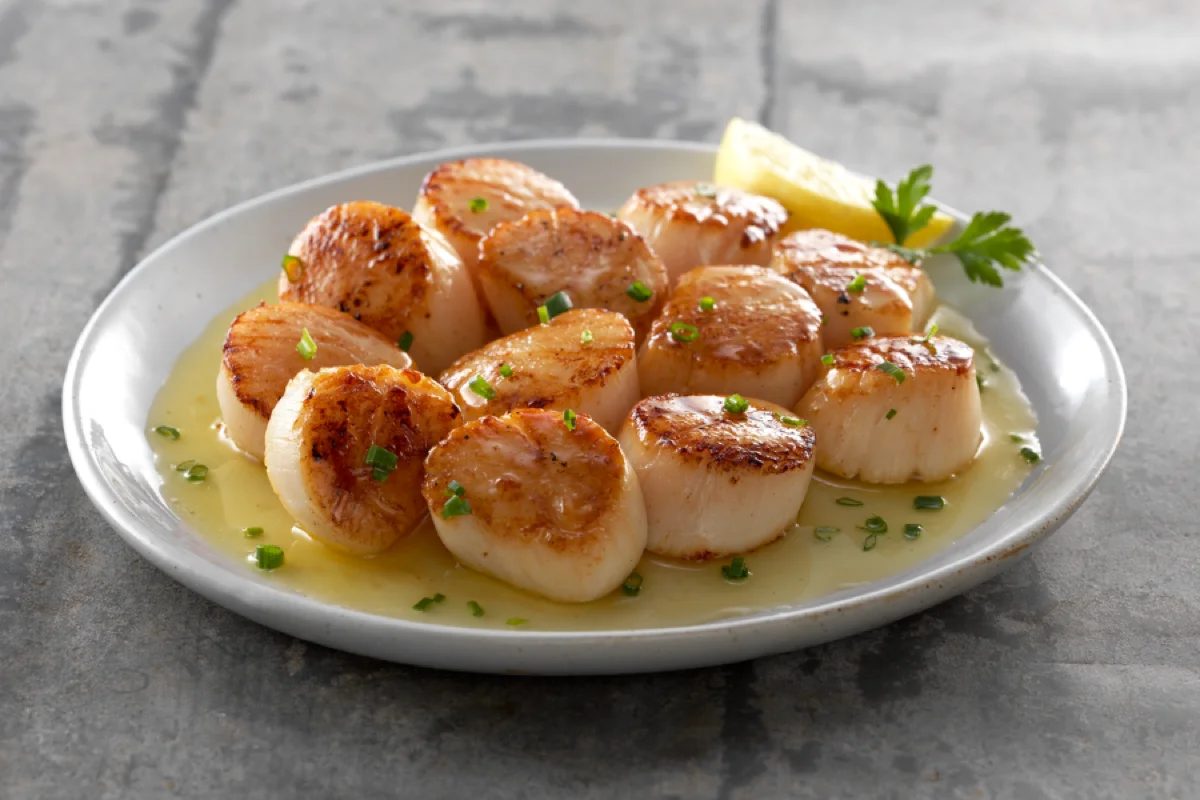
Scallops signal a premium flavor experience even with the simplest preparations.
Credit: Northern Wind, LLC
SPONSORED EDITORIAL
Rediscovering an Ocean Treasure
Diving deep into the value of featuring scallops on the menu today
Scallops reliably convey premium appeal and an inherent sense of quality with minimal kitchen complexity: a bona fide menu trifecta. But scallops have drifted off many menus in recent years, due in large part to a scarcity in supply combined with volatile pricing in the marketplace. Today, however, the return of a strong, domestic supply has put North Atlantic wild scallops back within easy reach—creating an open invitation to chefs to take a fresh look at the potential for the higher-value menu moments scallops can deliver.
This is an ingredient that signals care and hospitality in a way guests immediately understand. Served solo center-of-the-plate, paired with pasta, risotto or other seafood or showcased with fresh produce harvests in seasonal menus, seared scallops offer almost effortless elevation, encouraging diners to trade up and choose their luxe indulgence.
“After several years of lower catch rates and high shore prices, domestic scallop landings rebounded in 2026 and are expected to continue to improve into next season,” says Ken Melanson, chairman and CEO, Northern Wind, LLC, one of the largest scallop processors and suppliers in North America. “As a result, we are seeing lower prices on key domestic sizes, making it possible for restaurant operators to once again consider scallops from the U.S. for both permanent menus and limited-time offers.”
CAUGHT UP IN CULINARY CREATIVITY
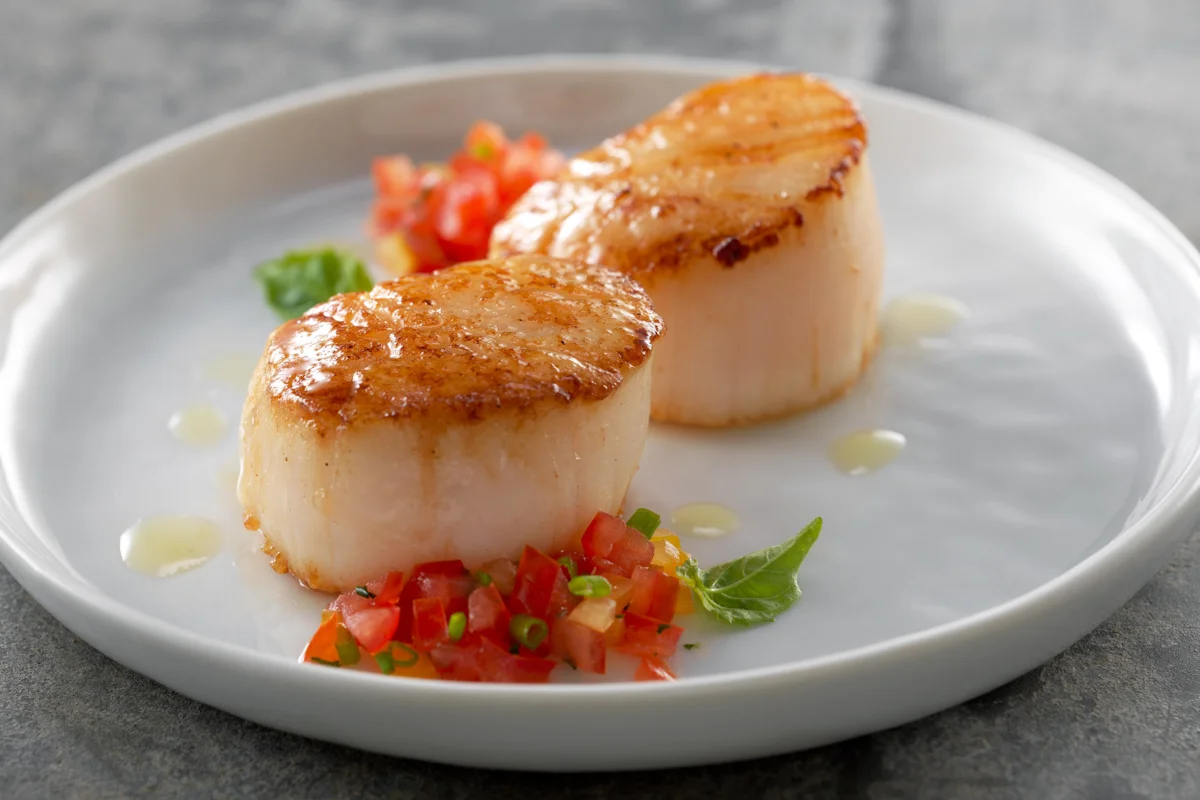
The powerful menu appeal of scallops is centered in their natural sense of occasion. “A properly seared scallop with a caramelized exterior and tender center can make even a relatively simple preparation feel thoughtful and elevated,” says Melanson. “Their delicate sweetness, tender texture and beautiful presentation immediately communicate quality.”
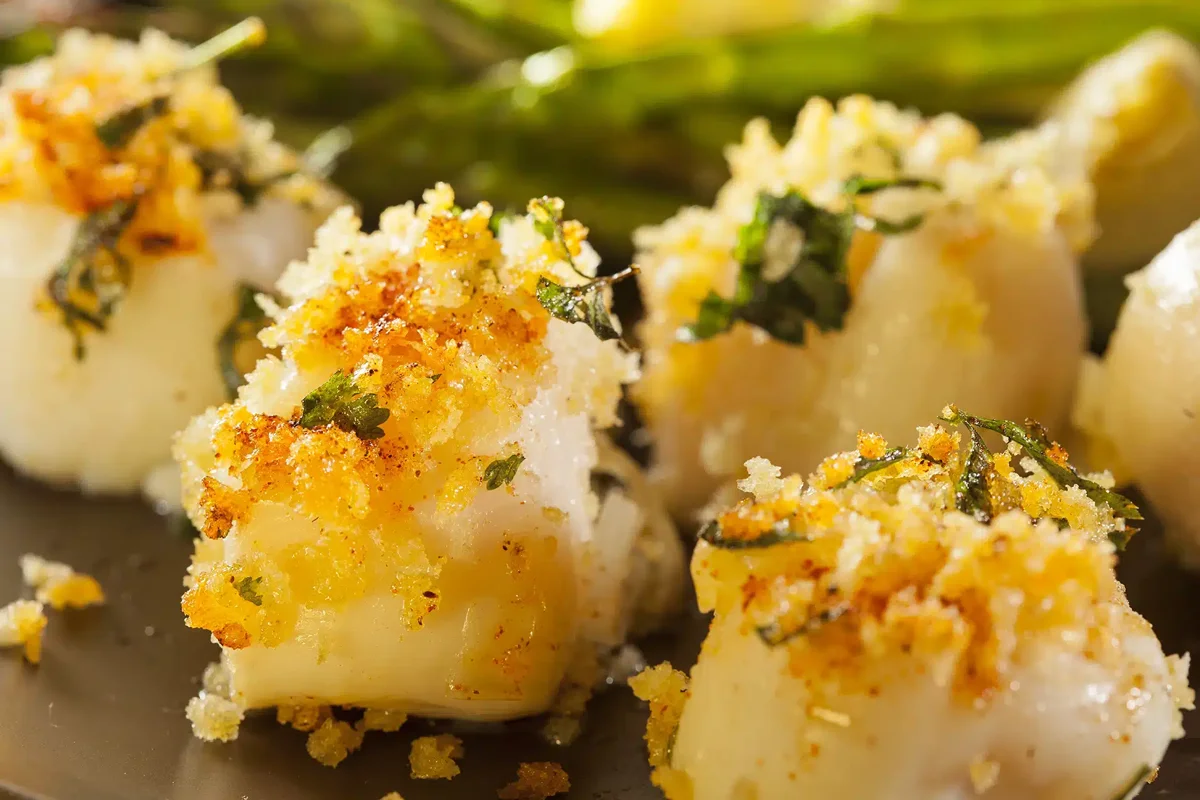
While simple, straightforward preparations—pan-seared in butter or wrapped in bacon—resonate with guests, scallops offer chefs coveted culinary flexibility. “They can anchor a premium entrée, add value to a surf-and-turf presentation or bring added appeal to pasta, risotto, appetizers and seafood combinations,” notes Melanson. Scallops can be paired with everything from classic butter to citrus to globally inspired sauces and seasonings.
Menu mentions from across the country demonstrate the breadth of the opportunity operators can explore with scallops. Consider:
- Pan-Seared Scallops with Parmesan Risotto, featuring English peas and a citrus vinaigrette (Ocean Prime)
- Georges Bank Sea Scallops over Creamy Corn, served with parsnips (Davio’s Northern Italian Steakhouse)
- Maine Scallops with Whipped Sweet Potatoes, paired with kale and pancetta (Legal Sea Foods)
- Shrimp and Scallop Sauté, served with fresh spinach, a cream-based sauce and lemon vinaigrette (Truluck’s Ocean’s Finest Seafood & Crab)
“The culinary versatility of scallops can strengthen a seafood program, support higher check averages and give chefs opportunities to create distinctive signature dishes,” says Melanson.
Scallops can make a familiar dining experience feel more special. “Guests often select scallops when they want something they may not regularly prepare at home,” continues Melanson. “Featuring scallops on the menu shows that the restaurant has taken care in selecting an ingredient that is distinctive, premium and worthy of the dining-out experience. That is an important expression of hospitality.”
EXPERTISE THAT ELEVATES
While domestic scallop supply is rebounding, it’s happening in an environment of sensible, long-term sustainability, which is an increased priority for both foodservice operators and their customers. “The Atlantic sea scallop fishery uses a rotational management system that protects areas containing younger scallops and allows them time to grow before those areas are harvested,” explains Melanson. “Catch limits, days at sea and access areas are adjusted based on the latest scientific assessments. Improvements in fishery management, research and supply-chain planning have helped make the Atlantic sea scallop fishery one of the most closely managed and economically important wild scallop fisheries in the world.”
For restaurant operators, the key to leveraging the advantages of the current market is to work with a supplier that not only has extensive processing capacity but has strong connections with the harvesting community—and the ability to plan ahead. Northern Wind is well positioned to help customers manage availability, sizing, specifications and costs, even as fishery and market conditions fluctuate.
“Scallops can differ significantly in species, origin, size, moisture content, processing method and overall quality. Those differences affect flavor, texture, searing, yield, portion cost and presentation,” notes Melanson. While tempting, price alone shouldn’t be a consideration. “A lower initial price does not always translate into a lower cost on the plate,” he says, pointing to such factors as a scallop that releases excessive moisture or otherwise loses significant weight during cooking.
Once chefs have identified the intended menu application(s), Northern Wind brings its expertise to the table. “We look at how the scallop will be prepared, the desired presentation, target menu price, portion size, anticipated volume, kitchen capabilities and distribution requirements,” says Melanson. “From there we recommend the appropriate size, grade, processing method, pack format and sourcing program.”
For example, he continues, “Larger sizes, such as U/10 and 10/20 scallops deliver immediate visual impact and are well suited for premium entrées and surf-and-turf presentations,” explains Melanson. “Sizes such as 20/30 and 30/40 work well in pasta, risotto, appetizers, bowls and combination dishes, where the scallops are incorporated throughout the plate.” The same scallop program can support several menu applications without adding more inventory.
Northern Wind offers wild-caught domestic North Atlantic sea scallops in varying sizes, in fresh, individually quick-frozen and block-frozen formats. Its four brands have been designed to meet different foodservice needs and price points. These range from Five Star Premium Scallops (which are all-natural, hand-shucked, additive-free, available fresh or frozen) to Mariner’s Choice Scallops (hand-shucked, lightly processed and individually quick frozen for a versatile balance of quality and value). The company processes millions of pounds of scallops every year for decades and uses its expertise to help foodservice operators build scallop programs that are distinctive, consistent and financially sustainable.
“Our job does not end when we deliver the product. We help chefs, distributors and restaurant operators evaluate product quality, cooked yield, portion cost, labor, consistency, supply demands and guest perception,” asserts Melanson. “We also help customers understand changing market conditions so they can make informed purchasing decisions and develop menu applications that balance premium appeal with operational realities.”
DIVE RIGHT IN
As domestic supply of wild Atlantic scallops continues to improve, this is the time for restaurant operators to take a fresh look at how scallops can reenergize the menu. Their premium cues, paired with culinary versatility, makes them well positioned for recipe innovation.
“My message to chefs is to think beyond the traditional scallop entrée,” says Melanson. Scallops can create premium value across the entire menu, allowing chefs to develop memorable dishes without unnecessary complexity. When selecting the right scallop for the right application, they can deliver value for the guest, creative flexibility for the chef and strong menu potential for the operator.”
To learn more about partnering with Northern Wind for a scallop program, contact Michael Hollis, executive VP of sales, at [email protected].
KC Flavor Champion: Nate Weir Play it forward in menu innovation that prizes flavor complements and contrasts
Flavor Trends, Strategies and Solutions for Menu DevelopmentThis...
Flavor Trailblazer: Gabe Caliendo Pairing scratch-made comfort with global discovery at Lazy Dog
Flavor Trends, Strategies and Solutions for Menu Development[google_sidebar_ad...
Across the Globe for Cream Soda Inspo Plus personal ties closer to home
Flavor Trends, Strategies and Solutions for Menu Development[google_sidebar_ad adslug="2026-10-Surround-CMAB-320x50"...
