
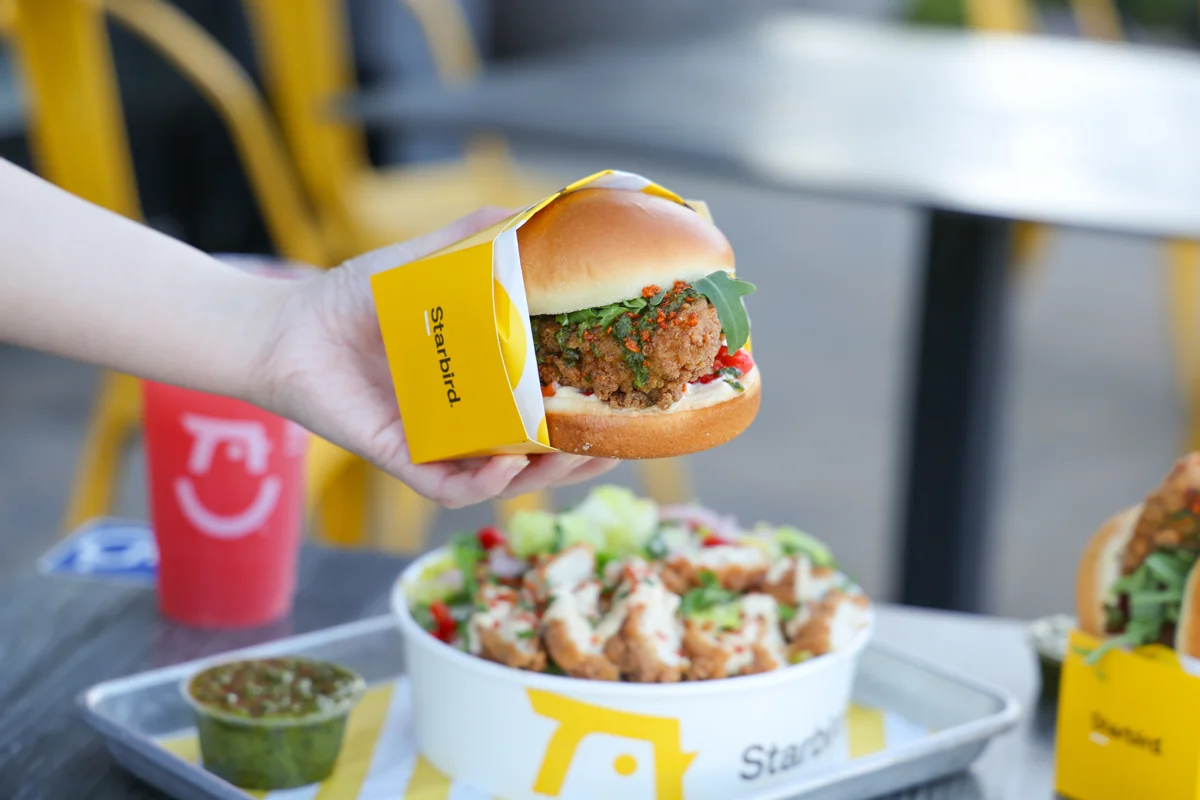
Chimichurri took the starring role on multiple menu items in a big LTO play from Starbird Chicken, which used the Latin American favorite as a condiment, a dressing and a dipping sauce.
Credit: Starbird Chicken
Bright, Bold and Ready for Prime Time
Chimichurri offers operators a fresh approach to going green
Chimichurri is gaining fresh momentum as operators look for bright, herb-driven global flavors that modernize familiar builds. Its clean, green profile delivers instant lift, prompting more restaurant brands to explore new ways to let it shine and even bring it into regular rotation.
“I have been using chimichurri as a staple option for many years because of its flexibility in different applications, as well as its profile as a healthier alternative [to certain sauces and condiments],” says Laurence Cohen, corporate brand chef for Thompson Restaurants, which operates 15 different restaurant concepts across more than 70 locations in the Washington, D.C., metropolitan area, Ohio and South Florida. Chimichurri is a natural go-to sauce at its Austin Grill brand, with a menu that embraces Latin flavors. It also shows up as a steak—or even poultry—topper at such concepts as Cut132 and Makers Union. “It’s considered a staple sauce on all our menus.”
At Austin Grill, tacos, enchiladas and fajitas are all served with a signature Cilantro-Lime Rice, which Cohen says he built around chimichurri. “We use a green chimichurri, usually containing a base of parsley,” he notes. The recipe is made fresh daily in-house, just before service. “You know it by the vibrant green colors of the herbs cut and mixed together and aromatics hitting the air, creating that herbaceous harmony.”
But the recipe will be tweaked from one concept to another. “For Austin Grill, the proportion will be heavier with cilantro, while for Cut132, we will use more garlic and red wine vinegar and maybe swap the cilantro for thyme or rosemary for a more aromatic, earthy-toned flavor that complements the fattiness of the steaks,” notes Cohen. “Guests love it, so I continue to try to be innovative with ways to incorporate chimichurri into new recipes.”
Chimichurri currently resides in the “adoption” stage of Datassential’s four-part Menu Adoption Cycle. While it appears on just 8 percent of restaurant menus, mentions have increased by a third over the past four years—and are predicted to grow another 11 percent over the next four, says Jaclyn Marks, trendologist and senior publications manager at Datassential. Chimichurri currently appears on 22 percent of fine-dining menus, 12 percent at casual-dining spots, 5 percent of fast-casual brands and 4 percent of midscale menus.
According to Datassential’s consumer research, more than half of consumers know what the Argentinian sauce is, and of those who have tried chimichurri (34 percent), 65 percent love or like it. “Chimichurri is marked as ‘gaining fast,’” says Marks, pointing out its strong appeal among Gen X and Millennial consumers.
Despite chimichurri menu mentions enjoying a general upward swing, “Last year, we saw the lowest number of new items, returning items and LTOs featuring chimichurri at major chains since 2022,” says Marks. But, there is a potential upside: As chimichurri appears less frequently in chain LTOs and new/returning items, “It presents an opportunity for chains to stand out by leaning into this flavor, which is growing in both consumer awareness and on menus overall,” she adds.
GOING GREEN, GETTING SEEN
Compelling data drives decisions, pointing Starbird Chicken, a premium fast-casual chicken chain currently in California and Colorado, to go all-in with the Argentinian mainstay by rolling out a chimichurri-centric promotion featuring multiple menu items. The LTO, which ran this spring, featured the Chimichurri Star Sandwich (crispy chicken, chimichurri, marinated charred red peppers and arugula), Chimichurri Wings (crispy wings served with chimichurri for dipping) and Chimi Fries (drizzled with chimichurri, grated Parmesan and chopped parsley).
But the standout, according to CEO Greg Levin, was the Chimi Chop Salad, boasting crispy chicken, a romaine/cabbage blend, arugula, pickled red onion, white beans marinated in chimichurri and a chimichurri drizzle. All four items in the LTO also featured a roasted garlic aïoli and a signature pepita pepper shake.
“Chimichurri is traditionally paired with grilled beef, but its brightness and acidity work the same magic on crispy and grilled chicken; it cuts through richness and adds a fresh, herby lift,” says Levin. “We felt that it made a natural fit across multiple items on our menu, giving us a great way to offer a unique, craveable flavor. Our guests recognized this vibrant condiment and enjoyed the crossover to Starbird.”
Because Starbird maintains a tight core menu, the LTO won’t become a part of the permanent lineup, despite its success. Still, Levin won’t rule out the possibility that the herbaceous green sauce will make an encore appearance. “LTOs can return at Starbird, so chimichurri could absolutely find its way onto a future menu,” he says.
WINNER, WINNER, CHIMI DINNER
 Credit: Firebirds Wood Fired Grill
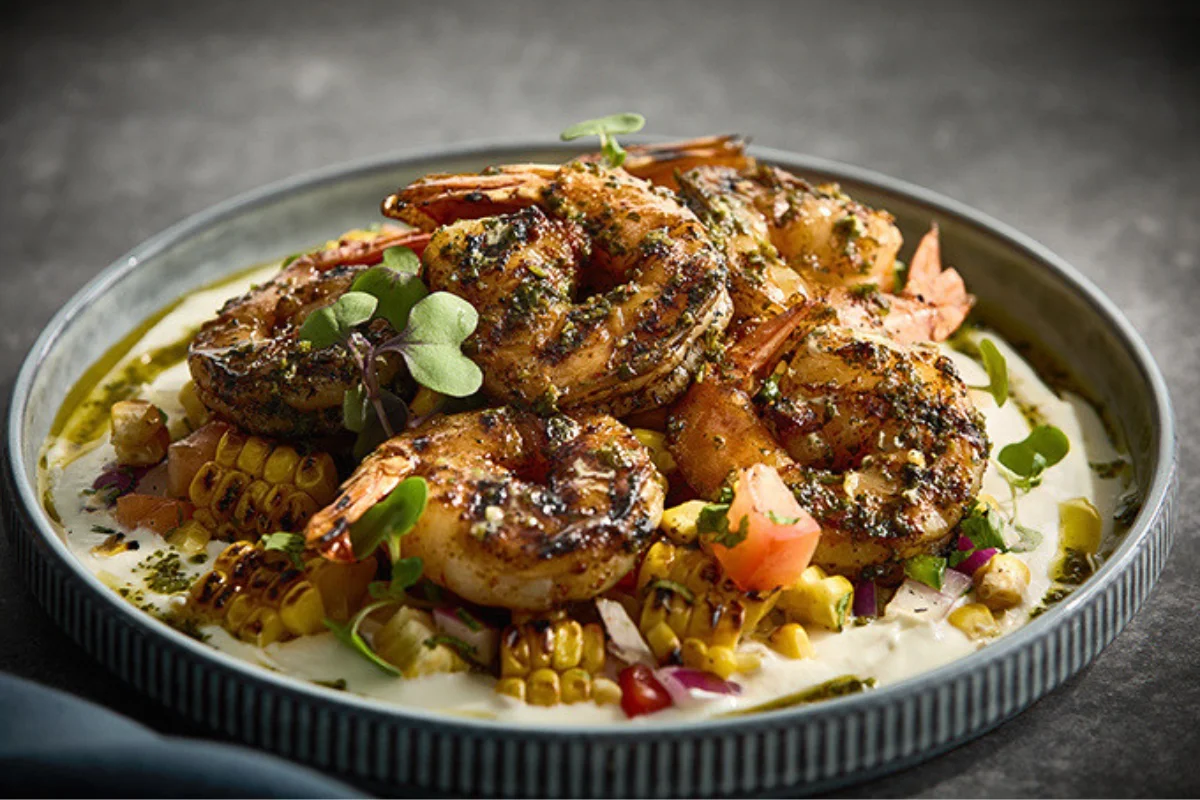
 At Firebirds Wood Fired Grill, the popular Wood Grilled Chimichurri Shrimp shareable sees the herby sauce mixed with butter and then basted on the shrimp. It’s served on a charred corn salsa with whipped goat cheese and a separate drizzle of chimichurri mixed with olive oil.
When Andy Seiple, corporate executive chef at Firebirds Wood Fired Grill, deconstructed a classic steak frites dish and reconceived it as a shareable flatbread, he integrated chimichurri as a key element. This fresh approach led him to be named a winner in the Kitchen Collaborative 2026 menu ideation competition. But Seiple had seen chimichurri’s potential as an impactful ingredient long before he dreamed up the Chimichurri Steak Frites Flatbread, which sees the Argentinian sauce both brushed onto the flatbread and then drizzled atop all the components as a supportive finish.
“We’ve been leaning more into South American flavors at Firebirds. Typically our menu and our brand has been mostly about a Southwest American profile, but pulling those Central and South American flavors into many of our dishes has really been an elevation,” says Seiple. Chimichurri is part of the brand’s conventional steak frites offering, and is a featured element in the Wood Grilled Chimichurri Shrimp dish. Here, it is incorporated into both a compound butter for basting the seafood and olive oil for a finishing drizzle.
“That shrimp dish has been on our menu for about a year and a half,” recounts Seiple. “It’s something originally conceived as a ‘Wow!’ appetizer—we were going to light some tequila on fire and pour it over the shrimp at the table, but we decided on the safer application.” Today, the dish is not only available as a non-flammable shareable, but also plated with asparagus and a summer grains pilaf as a seasonal dinner special.
Chimichurri is also added to a butter sauce in a Chilean sea bass dish, which is pan-seared and served with sautéed shrimp, seasonal ancient grains and vegetables. When it comes to expanding chimichurri further on the Firebirds menu, “I try not to overuse it,” admits Seiple. “But it goes hand in hand with the wood-fired grill. It’s iconic.”
RISE AND SHINE WITH CHIMICHURRI
When seeking to inject robust, global flavor into the breakfast line-up at Eggs Up Grill, based in Spartanburg, S.C., Dustin Ellis, director of product development, certainly had options. Maybe add an aji verde sauce, a banana ketchup or a Mediterranean pesto? Ellis chose chimichurri.
“Chimichurri struck the right balance between bold and approachable,” says Ellis. “While it introduces guests to a globally inspired flavor, it’s one that many people have heard of or experienced before, making it an easy entry point. This gave guests the confidence to try something new without stepping too far outside their comfort zone.”
There was one more reason: “Quite simply, it’s incredibly delicious.”
The Eggs Up Grill team was so confident that chimichurri would resonate with guests that they highlighted it in the name: the Chimi Steak Scrambler. Originally an LTO, the dish—cheesy scrambled eggs topped with fresh avocado, diced tomatoes and grilled marinated skirt steak served with a side of chimichurri sauce—performed beyond expectations, earning it a place in Flavor & The Menu’s Best of Flavor 2026 issue and a spot on the brand’s core menu. It will be available at all 110-plus locations by the end of October. “We’re excited to make it an everyday option for guests who fell in love with it—and for those who haven’t tried it yet,” says Ellis.
Product consistency was absolutely critical in the decision to add the Chimi Steak Scrambler to the core menu. “We source our chimichurri from a trusted partner that reliably delivers the vibrant flavor and quality we’re looking for. It’s a speed-scratch product that meets our standards and helps us to deliver the same great experience at every guest visit,” says Ellis.
While he is circumspect about revealing future plans, Ellis says chimichurri could show up elsewhere on the menu. “We have ideas for where it could go next, but we’ll continue to let our guests lead the way,” he notes. “As long as they’re excited about it, we’ll keep looking for opportunities to bring those flavors to life.”
 Credit: RT Rotisserie
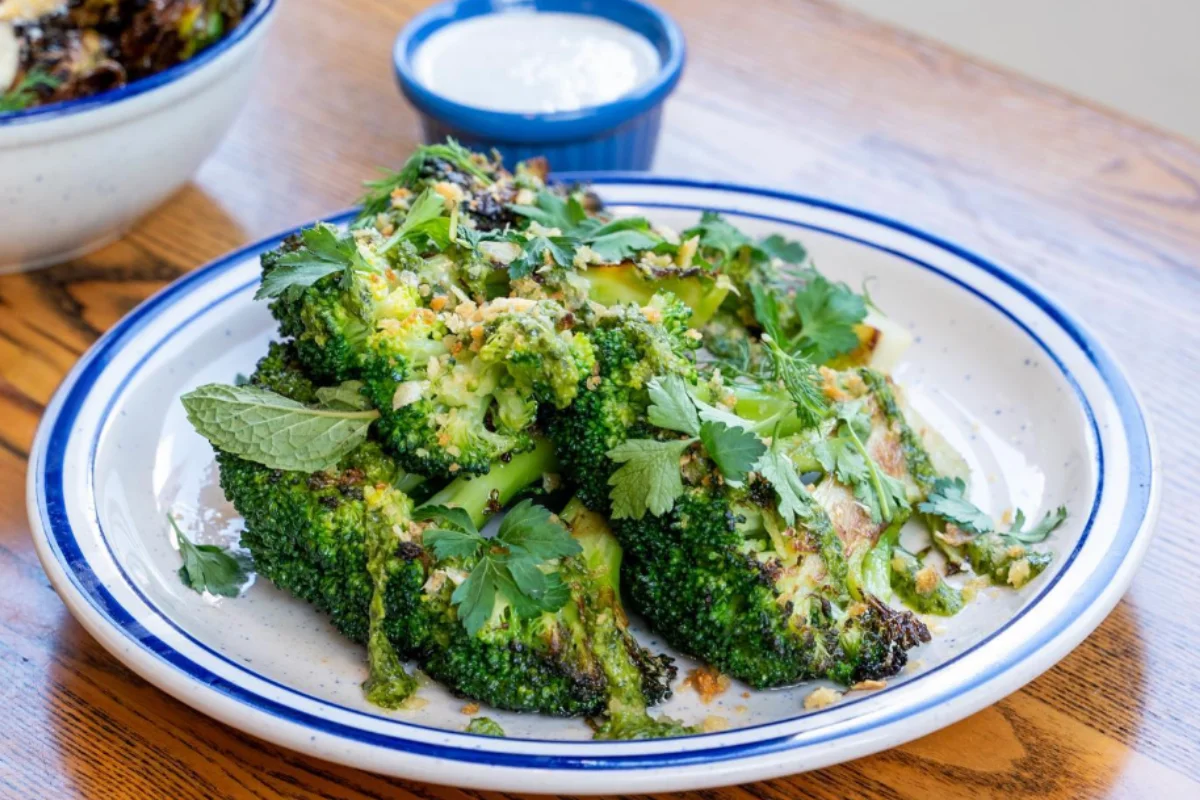
 The Seared Broccoli Sandwich, served atop pita, at RT Rotisserie gets even more green-themed punch from chimichurri.
GREENER PASTURES
Other concepts are leveraging the bright, herbaceous pop of chimichurri in smart, impactful ways. For example, RT Rotisserie, a casual, counter-service brand based in San Francisco, menus a plant-forward Seared Broccoli Sandwich, featuring garlic aïoli, radish, Cotija, herbs and chimichurri on pita.
The Brisket Burnt Ends Taco at Q-BBQ, with three locations in the Chicago metro area, leverages the ongoing popularity of burnt ends by adding a trend-forward chimichurri sauce.
While chimichurri may still be a somewhat niche condiment, the menu possibilities are endless, as demonstrated by Chimichurri in Milford, Conn. The now-shuttered restaurant featured its namesake sauce in multiple menu items, including the ChimiPhillySteak (giving the iconic sandwich an Argentinian twist) and the more traditional Choripán street food staple (with grilled sausage smothered with chimichurri).
California Pizza Kitchen recently wrapped a spring Filet Skewers with Chimichurri Duo LTO, which served up flame-grilled steak, crispy onion rings, charred broccolini and not one, but two chimichurri flavors: green and red.
Modern Mexican La Condesa, in Austin, Texas, plates the vegan Hongas (grilled mushrooms) with chimichurri, mole amarillo and guajillo.
Chimichurri’s ongoing rise reflects a broader shift in today’s foodservice environment toward bold, global-forward accents. Its mix of herbs, acidity and oil gives chefs an easy tool for adding flavor dimension—whether brushed on proteins, folded into sauces or used as a finishing flourish—all with a fast, unfailing hit of freshness that aligns with multiple flavor trends.
About the Author
 Patricia Fitzgerald serves different roles on the Flavor & The Menu team, including writing custom content, Kitchen Collaborative chef spotlights and digital editorial content, as well as acting as a contributing editor for the print magazine. As owner of PFitzCommunications, she specializes in various areas of foodservice and hospitality, while also maintaining clients in other industries and professions. She can be reached at [email protected].Click to Read More Stories by Patricia Fitzgerald
Flavor Trailblazer: Gabe Caliendo Pairing scratch-made comfort with global discovery at Lazy Dog
Flavor Trends, Strategies and Solutions for Menu Development[google_sidebar_ad...
Across the Globe for Cream Soda Inspo Plus personal ties closer to home
Flavor Trends, Strategies and Solutions for Menu Development[google_sidebar_ad adslug="2026-10-Surround-CMAB-320x50"...
The British Pub Invasion Bringing fresh enthusiasm to an overlooked global cuisine
Flavor Trends, Strategies and Solutions for Menu Development[google_sidebar_ad adslug="2026-10-Surround-McCain-320x50"...
