


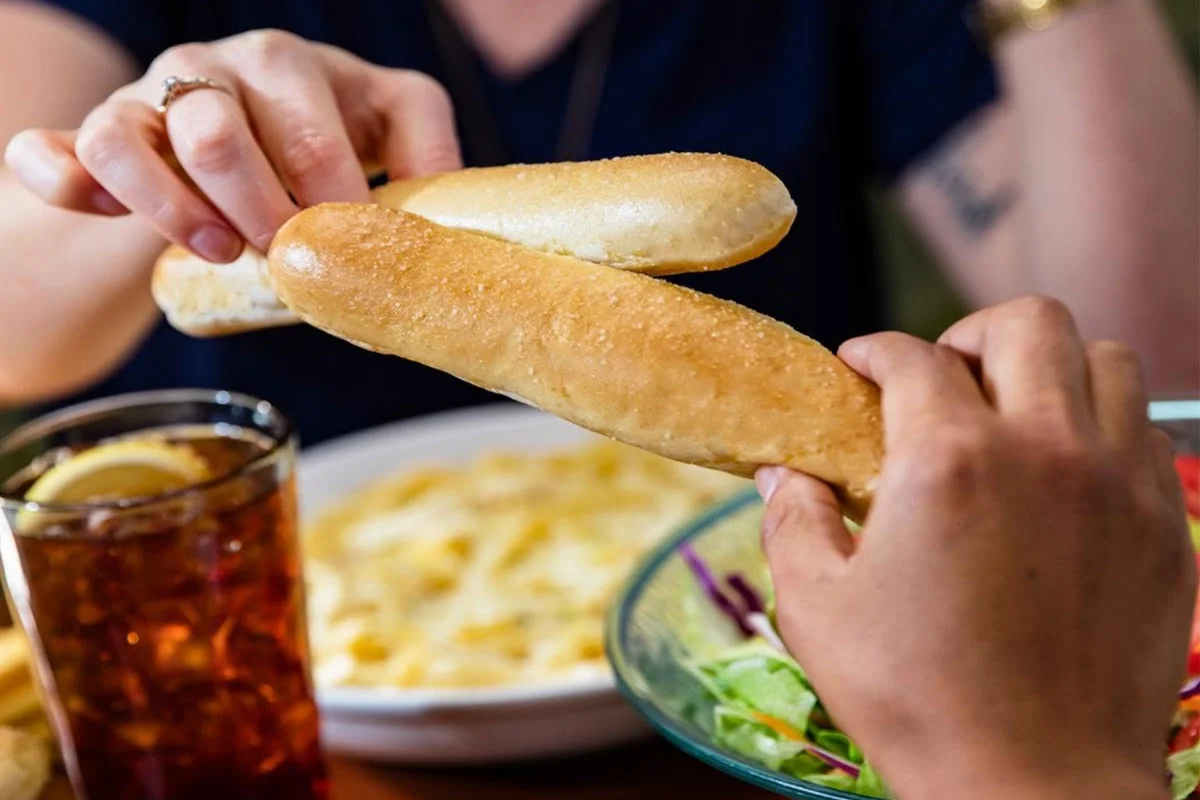
While craveable and timeless, Olive Garden classics, like pasta entrées, side salads and its beloved breadsticks, aren’t especially innovative but their familiarity and value combined with service and consistency are creating loyal guests among a subset of Gen Zers.
Credit: Darden Restaurants
Why Olive Garden Wins: A Gen Z Perspective
When consistency, service and value beat out novelty
Editor’s Note: Gen Z remains a relatively new consumer group—and one that is far from homogenous. While many brands and industry pundits characterize the generation as adventurous foodies, some members of this demographic lean in the opposite direction, seeking consistency over innovation. Here, a recent graduate and bona fide member of Gen Z offers an unexpected take on how casual-dining brands are currying favor with a particular subset of this young generation. Interestingly, some of the driving factors echo the market demands that gave rise to chains in the first place.
As a recent college graduate working two part-time jobs, I think I speak for a lot of my fellow Gen Zers when I say: I don’t have a lot of money. My partner and I have to weigh any kind of expense outside of groceries, rent and utilities very carefully, and eating out at a nice full-service restaurant is rarely on the table. When it is, established and dependable full-service chains like The Cheesecake Factory and Maggiano’s Little Italy are the go-to choices. And one particular brand that’s at the top of my list is Olive Garden.
There are a few characteristics that set Olive Garden apart, but all too often, they boil down to the risk factor. In my experience, casual-dining chains don’t have that risk factor; I trust these restaurants with my special occasion and walk away satisfied. For me and many of my peers, it makes the choice between these known brands and other full-service restaurants an easy one. The former’s beginning-to-end dining experience is predictable, which is how I want my meal to be above all else.
Before the menu is even considered, the experience begins with service. These establishments always seem to have an abundance of extremely attentive servers and staff, so I never feel neglected or like I have to vie for anyone’s attention. They’re always polite, but crucially, they don’t go overboard with the formalities; I don’t feel like I’m being doted on or treated like I’m special—and that’s a good thing. It takes away some of the social pressure, which some full-service restaurants can create. I think this sentiment reflects a generational divide: My parents and other Gen Xers seem to expect and enjoy being treated with formalities and small talk. But speaking for myself, my partner and others of our generation, we’re not after small talk and standing on ceremony on our nights out. And Olive Garden and its brand peers get that.
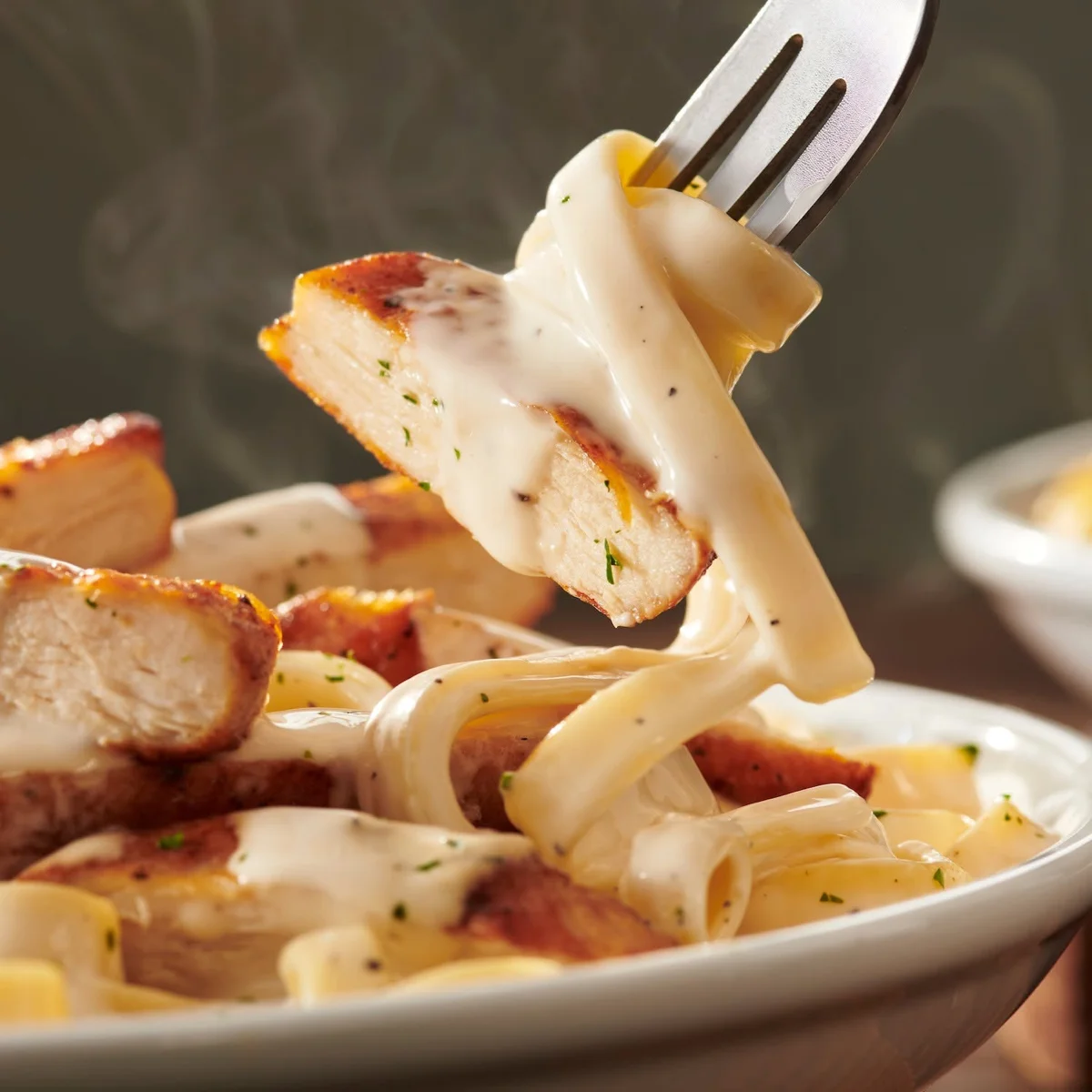 Credit: Darden Restaurants
Olive Garden’s simple but iconic Fettuccine Alfredo delivers cheesy comfort and a hearty meal—top-of-mind considerations for value-seeking Gen Zers.
Beyond service, the volume and variety of food offered by these chains feels like an exceptional value for my dollar. The unlimited buttery, garlicky breadsticks and fresh, savory salads are not only delicious—they also eliminate the need to splurge on an expensive appetizer, removing yet another risk factor. Often, high-end restaurants will have delicious food but minuscule portions, and for my partner and me, this can single-handedly ruin the experience regardless of the meal’s quality. It could be the best entrée I’ve ever eaten, but if it doesn’t fill me up, I feel ripped off. Olive Garden’s unlimited sides (soups, salads and breadsticks) with an entrée purchase take care of that, as do similar programs, like Applebees’ All You Can Eat promo and Red Robin’s Bottomless Steak Fries.
For me, Olive Garden’s menu is solid, sporting a wide variety of dependable Italian staples. However, between quality of the service and affordability, the menu itself holds a lot less weight in my overall assessment of the experience. I’m willing to try new things and chance disappointment or order the same spaghetti and meatballs I’ve had since I was 6 and accept the possibility of boredom because the experience has already been a good one. Leaving the restaurant with a couple of those mints in my pocket, I’m always thinking the same three words: “Money well spent.”
About the Author

KC Flavor Champion: Nate Weir Play it forward in menu innovation that prizes flavor complements and contrasts
Flavor Trends, Strategies and Solutions for Menu DevelopmentThis...

Rediscovering an Ocean Treasure Diving deep into the value of featuring scallops on the menu today
Flavor Trends, Strategies and Solutions for Menu Development[google_sidebar_ad...
Flavor Trailblazer: Gabe Caliendo Pairing scratch-made comfort with global discovery at Lazy Dog
Flavor Trends, Strategies and Solutions for Menu Development[google_sidebar_ad...
