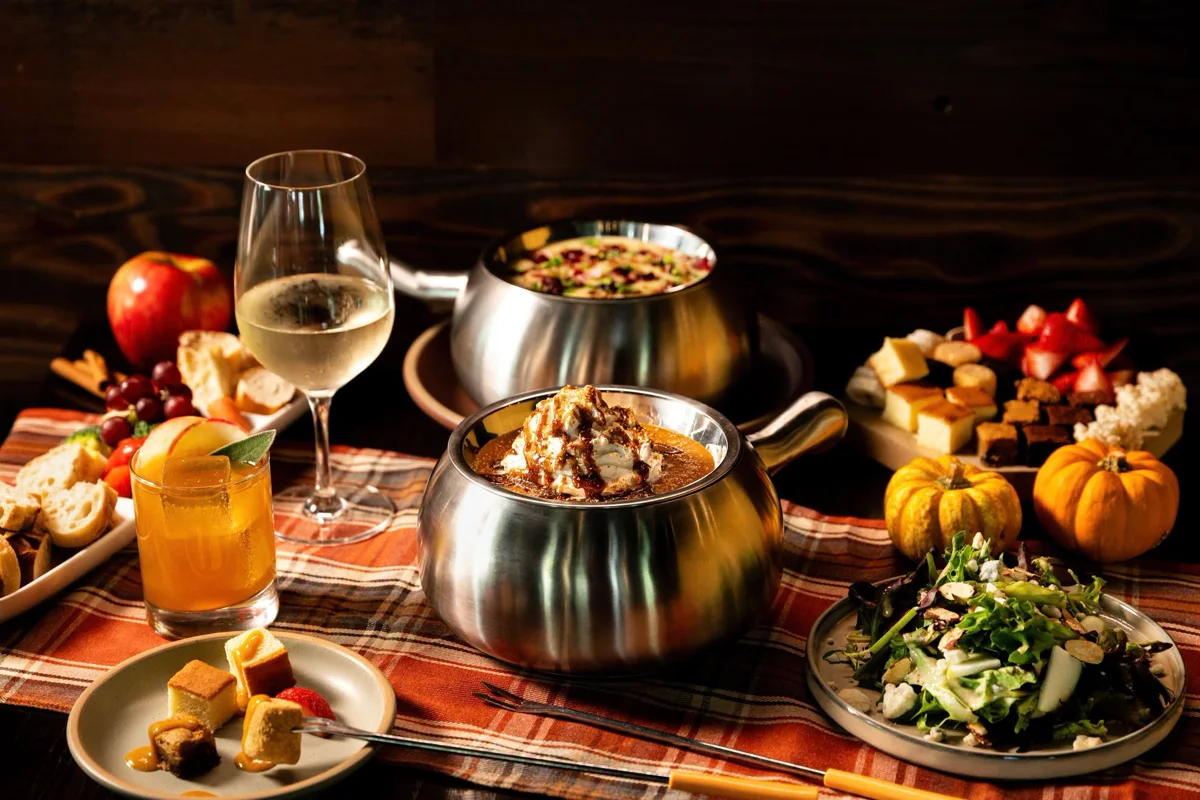
Melting Pot’s Fall into Fondue Menu brings seasonal flair to its core interactive dining experience with options like Cranberry Pecan Cheese Fondue, Apple Almond Salad and Pumpkin Spice White Chocolate Fondue.
Credit: Melting Pot
Hands-On Dining I: Boards
One of the biggest and enduring beneficiaries of the shutdown is the charcuterie board, the shareable assortment of meats, cheeses and condiments that encourages conversation and conviviality.
Datassential reported that menu incidence of charcuterie in restaurants increased 84 percent in the decade ending 2024, while the National Restaurant Association named it the No. 1 appetizer trend of 2023. The category has evolved from a retail specialty-foods niche into an opportunity for foodservice operators.
Menu marketers have worked to elevate the basic offering into something consumers are unlikely to do for themselves at home, and there’s nothing boring about these boards. To celebrate a recent Pi Day on March 14, for example, Pizza Hut created a special promotion starring a customizable, Instagrammable Pizza Charcuterie. It invited diners to design their own boards with a mix of pizzas, wings, sticks and dips delivered in convenient, bite-sized portions. The Bridge Boards at Grimaldi’s Pizzeria are on the permanent menu and include salami, prosciutto and Italian cheeses, along with antipasto peppers and olives, bread and condiments. And in a smart program extension, the Bridge Board Bundle also includes a bottle of wine.
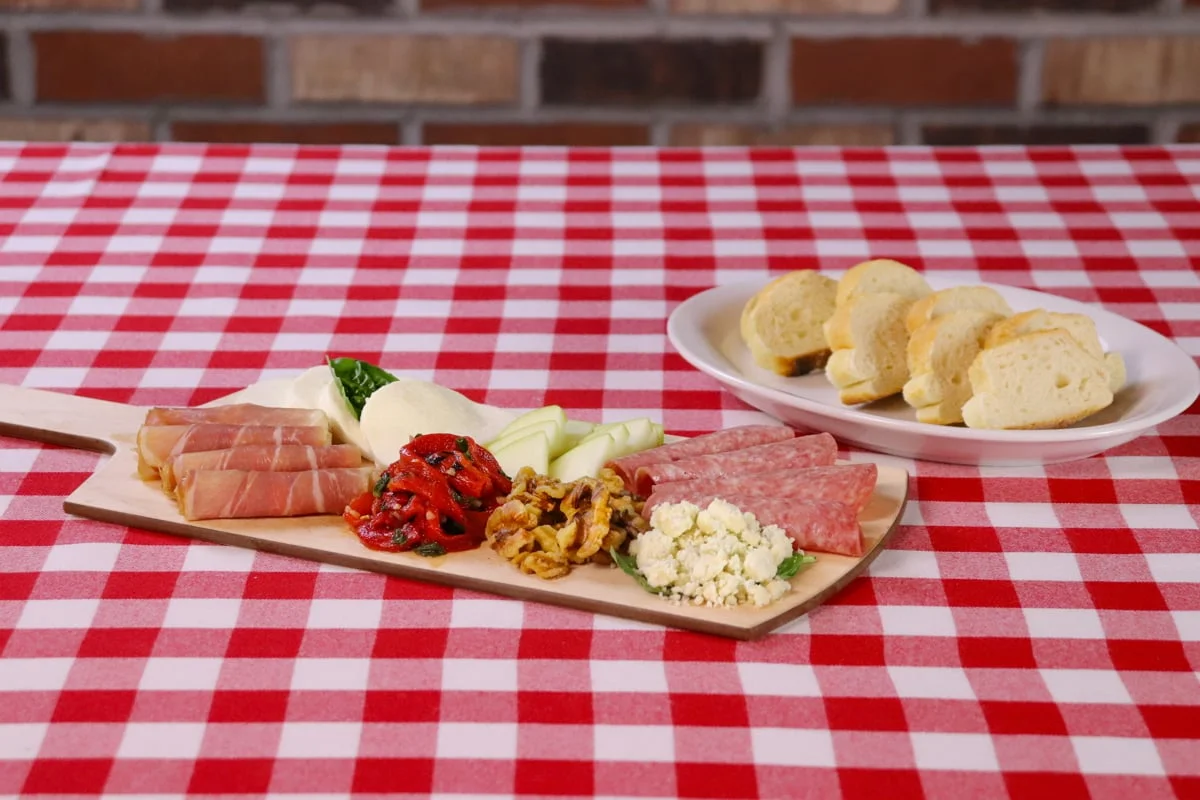 Credit: Grimaldi’s Pizzeria
 Grimaldi’s expands its communal offerings beyond deep-dish pizza with Bridge Boards. The curated selection of meat, cheese and antipasti changes with the seasons, ensuring an ongoing element of novelty.
Hands-On Dining II: Pots
The epitome of sophisticated Euro-dining that initially peaked in the late 1960s, sales of fondue pots reportedly rebounded substantially during the pandemic. How many remain in active use at home is open to question, but they revived interest in the category and allowed savvy restaurant pros like the Melting Pot to step up as cabin-fevered diners stepped out with a mix of experiential dining and smart merchandising. The brand invites patrons to create memories one dip at a time, whether for special events like birthdays or anniversaries or for everyday dining.
Creative promotions include the three-course Fondue into Fall Menu, which capitalizes on seasonal flavors; Girls Just Want to Have Fondue, a timely take on the girl-dinner phenomenon; the cheeky Down to Fondue, a happy hour special; and the Thursdate program that “sets the table for romance” with candles and rose petals. All are supported by a robust bar program featuring Coming Up Roses, a version of the ubiquitous spritz made with Aperol and Strawberry Rose Syrup, and a rum-based Tropical Haven Punch, made with Red Bull Tropical and available by the glass or pitcher.
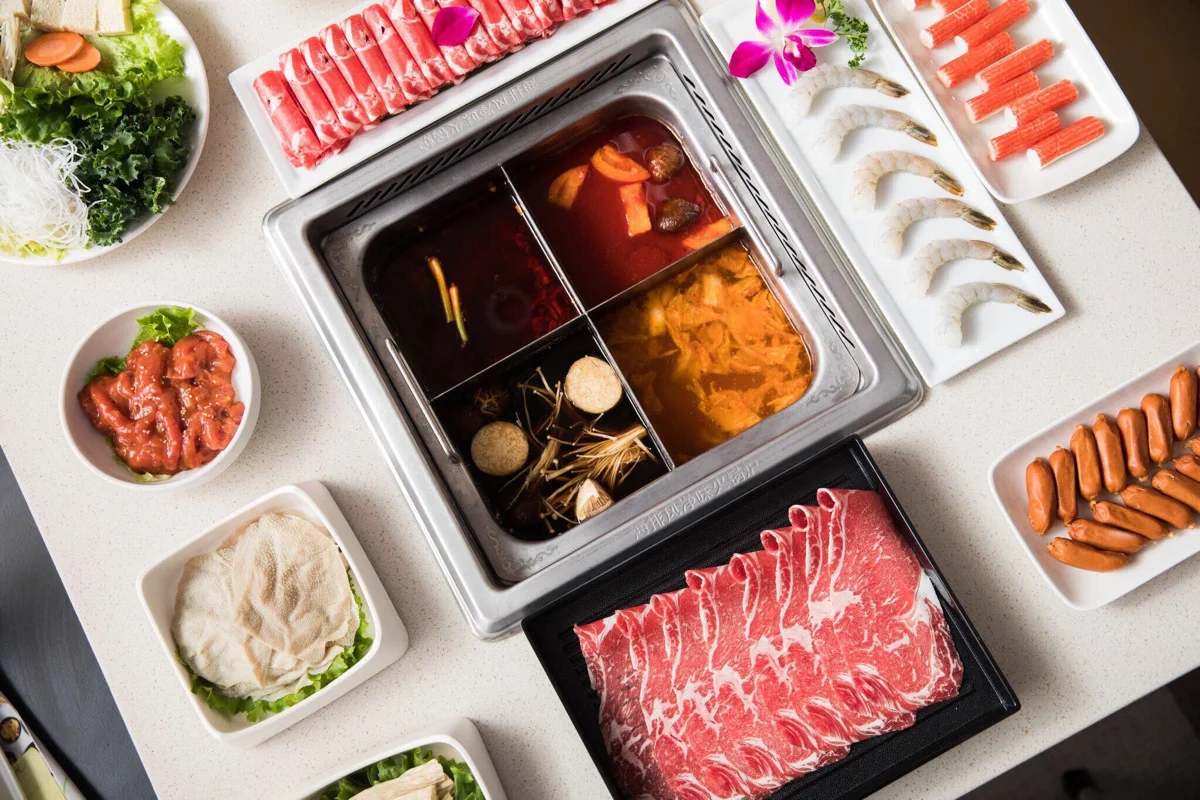
An Asian cousin to fondue, hot pot cuisine, in which ingredients cook in a pot of boiling broth, has been picking up steam as well. Haidilao, China’s largest hot pot chain, now operates 14 locations stateside, stretching from its base in California to include units in Chicago, New York City metro, Houston and Dallas. With an emphasis on DIY customization, the menu starts with a choice of soup bases like spicy Sichuan or tomato and mushroom, to which patrons add meats, seafoods and vegetables, along with signature elements like fresh noodles created tableside and a sauce bar.
 Credit: Haidilao
 Chinese hot pot titan Haidilao encourages customization and interactivity among patrons, who cook their choices of meat, seafood and veggies in a variety of flavorful broths.
And American-grown, New Jersey-based KPot Korean BBQ & Hot Pot has expanded rapidly from its opening in 2018 to a reported 170 units. Patron participation is key here, with an exceedingly broad range of soup bases, noodles and add-ins.
Hands-On Dining III: Grills
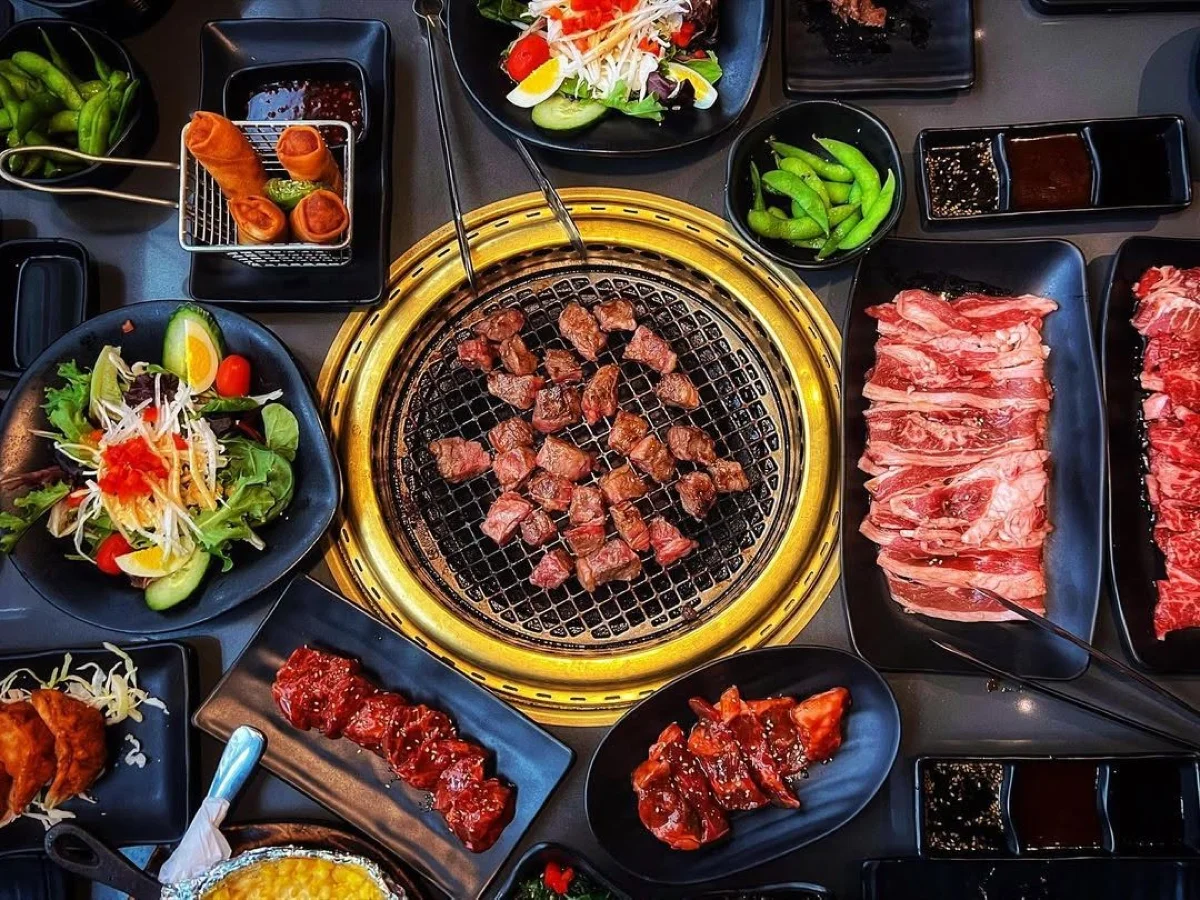
KPot’s brand promise of DIY barbecue has also been getting attention as another option that allows diners to cook it their way while socializing over a hot grill or plate. In traditional K-barbecue concepts, raw ingredients are sliced in the kitchen, and diners cook them to their liking over table-top grills. Banchan (Korean side dishes) are typically abundant and include pickled radish and cucumber, sweet potato salad and the requisite kimchi.
 Credit: Gyu-Kaku Japanese BBQ
 K-barbecue isn’t the only grill game in town, as concepts like Gyu-Kaku are proving. The restaurant showcases quintessential Japanese yakiniku with premium options like Wagyu beef and shishito peppers.
By contrast, Pepper Lunch, another Tokyo-born concept that’s since planted flags in the U.S., invites diners to “sizzle it your way” with high-energy induction cookers that are actually part of the serving tray, not the table. Sauces can be customized to enhance a range of options like signature Beef Pepper Rice, curry and teriyaki options and even pasta dishes like Beef Aglio Olio. There are vegetarian items and salad for the seriously cooking-averse.
Outlook and Opportunity
These concepts represent a dining trifecta of customization, conviviality and an experience that can be tough to replicate at home, and their global image is also a plus. While they will remain the province of specialists, they do offer lessons for the broader market.
First, the overriding importance of customization and freshness is nothing new, but these concepts underscore their continuing currency with diners and suggest an ongoing, powerful promotion opportunity.
Second, their popularity is likely to increase along with the growth of the friction-maxxing phenomenon, in which consumers seek human connection and engagement and a temporary respite from technology. There’s an opportunity here to enhance patron interaction throughout the entire dining experience from the reservation to the check drop.
Finally, a tantalizing if less likely takeaway comes from Haidilao. The Chinese hot pot specialist offers a surprising range of lifestyle services that includes manicures, shampoos, shoe shines and more at selected locations and in doing so, redefines the notion of full-service dining.
About the Author
 Nancy Kruse is a recognized authority and widely quoted spokesperson on food and menu trends. She is president of The Kruse Company, which is dedicated to assessing trends and directions in food, menu and restaurant concepts; she has tackled these topics in the pages of leading industry publications and forums. Prior to founding her own company, Nancy served as Executive Vice President for Technomic, Inc., where she conducted a wide range of consulting assignments for Fortune 500 food and restaurant companies. She has served on several boards, and she has been an active member of the Women's Foodservice Forum and Las Dames d'Escoffier International.Click to Read More Stories by Nancy Kruse
Across the Globe for Cream Soda Inspo Plus personal ties closer to home
Flavor Trends, Strategies and Solutions for Menu Development[google_sidebar_ad adslug="2026-10-Surround-CMAB-320x50"...
The British Pub Invasion Bringing fresh enthusiasm to an overlooked global cuisine
Flavor Trends, Strategies and Solutions for Menu Development[google_sidebar_ad adslug="2026-10-Surround-McCain-320x50"...
Decoding Next-Gen Flavor Behavior Mexican flavor profiles applied across formats deliver the priorities younger consumers seek
Flavor Trends, Strategies and Solutions for Menu Development[google_sidebar_ad adslug="2026-10-Surround-Megamex-320x50"...
