



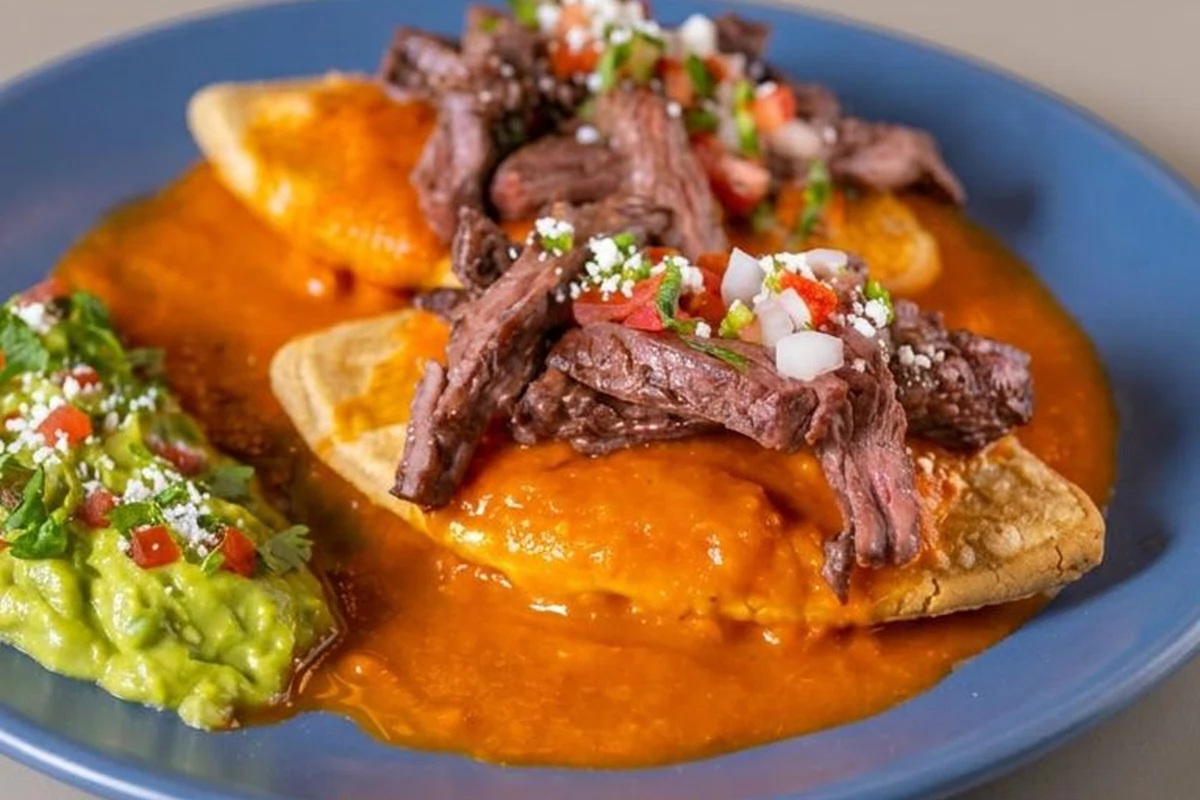
Upscale-casual concept Morra Mía in El Paso, Texas, deftly illustrates how familiar elements such as skirt steak, guacamole and salsa roja can make lesser-known Mesoamerican staples like tlacoyos more approachable.
Credit: Morra Mía
Mesoamerican Cuisine for the Masses
Ancient traditions with modern relevance
Despite Mesoamerican cuisine’s proximity, many U.S. consumers are unfamiliar with its history and heritage. Operators ready to explore these dishes and flavors must do a little leg-work in raising guest awareness—but the benefits are more than worth effort.
Here, we outline a blueprint for weaving the history and culinary customs of Mesoamerica into present-day food and beverage concepts. By honoring the past and highlighting techniques and ingredients that continue today, chefs can adapt ancient attributes for modern American palates via compelling flavor stories that lean into authenticity.
Enduring Practices
Mesoamerican civilizations developed two sophisticated foundational practices that have endured over millennia and still hold significant cultural and historical importance. These living traditions serve as a bridge between past and present, which operators can refer to when introducing Mesoamerican flavors to their guests.
First is the indigenous culinary technique called nixtamalization, with roots dating back to the Mayans and Aztecs. Nixtamalization involves cooking and soaking maize (corn) in food-grade alkaline lime water to make it more malleable. Next, the softened corn is washed, and the husks are removed, which improves flavor and aroma; it also enhances the nutritional value, as the process unlocks niacin (vitamin B3), which would otherwise be unavailable. The finished product, masa, is used to make tortillas, tamales and an array of items that are commonly found on U.S. menus.
The second is an agricultural practice known as the milpa system, reflecting the region’s deep connection to the land. This form of agriculture involves crop rotation, fallow periods and intercropping. It primarily features maize, beans and squash, which are referred to as the Three Sisters in a number of indigenous communities. The milpa system, both in the past and present, enhances biodiversity, ensures agricultural sustainability and promotes soil health.
Beyond the Three Sisters, several other staple ingredients are essential to Mesoamerican fare: tomatoes, amaranth, chiles, sweet potatoes, pumpkin, avocado, yucca, chayote, jicama, cassava, agave, cacao, vanilla, honey, citrus, guava, papaya, pineapple, cherimoya, chia, pepitas, achiote and epazote. This robust global pantry invites restaurants of all sizes and stripes to explore Mesoamerican menu possibilities, develop new dishes and easily scale them.
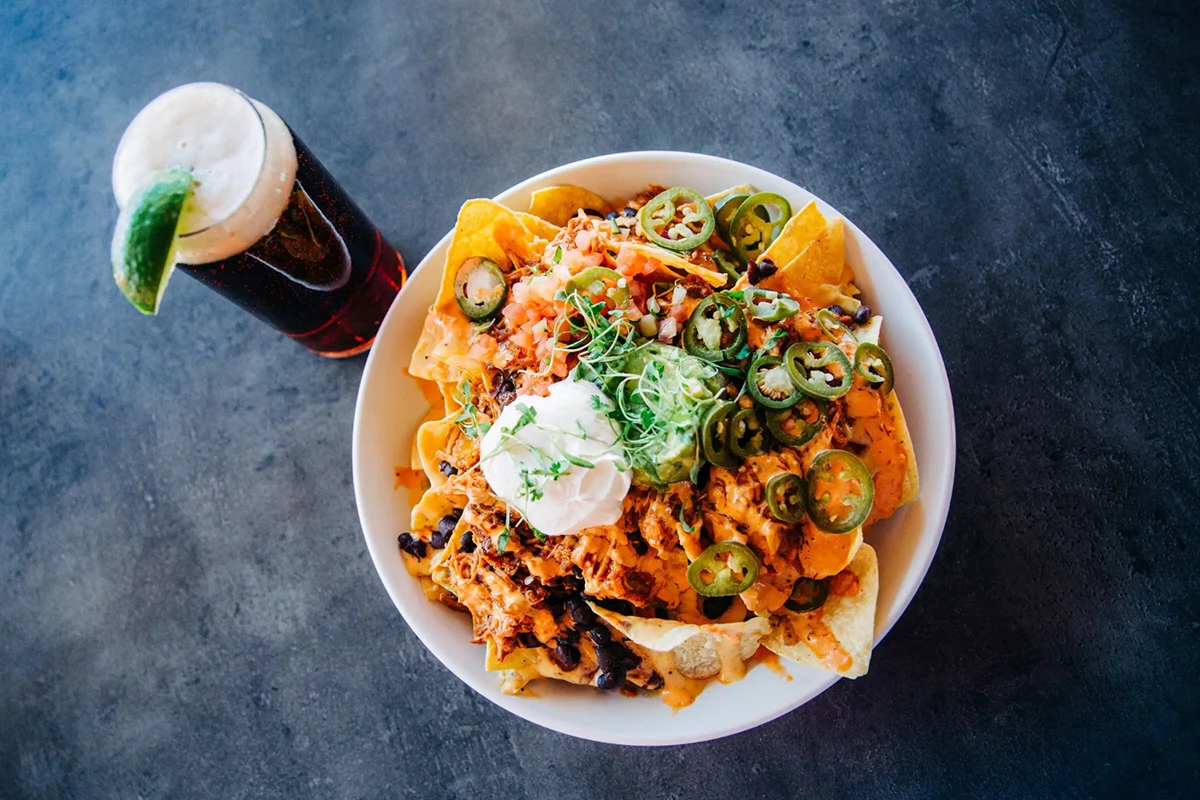 Credit: Seis Kitchen
Based in Tucson, Ariz., micro-chain Seis Kitchen features poc choc, a Yucatán staple, as a protein option in quesadillas, tacos, burritos and even nachos.
Foundational Elements
Maize has always been a cornerstone staple of Mesoamerican cuisine—and one that persists across Latin America and even the American South. It shows up in everything from elote to hominy while also serving as a versatile dough, wrapper and even drink component. A culinary canvas with rich history, maize dishes easily maintain the traditional essence of Mesoamerica but can also be adapted through flavor and ingredient enhancements or cultural fusions.
Try This
- Tlacoyo (appetizer): griddled oval-shaped masa cake stuffed with smashed huitlacoche black beans and ground chorizo + avocado-crema drizzle + salsa verde + Cotija cheese + micro greens
- Papadzules (breakfast or brunch “enchiladas”): two white corn tortillas filled with smashed hard-boiled eggs + creamy pumpkin seed–epazote sauce + habanero-tomato salsa + bacon jam
- Thai Shrimp Pozole: hominy + ginger-tamarind-coconut milk broth + shrimp + eggplant + jalapeño + cilantro + lime wedge
Amaranth is rich in protein and fiber, making it an appealing ingredient to capture the attention of today’s wellness-minded crowd. Operators can easily implement this nutritious Mesoamerican powerhouse, swapping it for quinoa, blending it with other grains or adding it in unexpected yet impactful ways.
Try This
- Amaranth Chicken & Masa Dumpling Soup: tomato-chicken broth + amaranth + mini masa dumplings + shredded cumin-roasted chicken thigh + carrots + Mexican oregano + scallions
- Amaranth Esquite (in a to-go cup): charred fresh corn kernels + amaranth + crema + roasted garlic + Cotija cheese + ancho chile–lime dressing
- Mesoamerican Buddha Bowl: amaranth + black beans + seared ground turkey + charred corn kernels + chile-roasted butternut squash + baby spinach + queso fresco + citrus-avocado dressing + pepitas
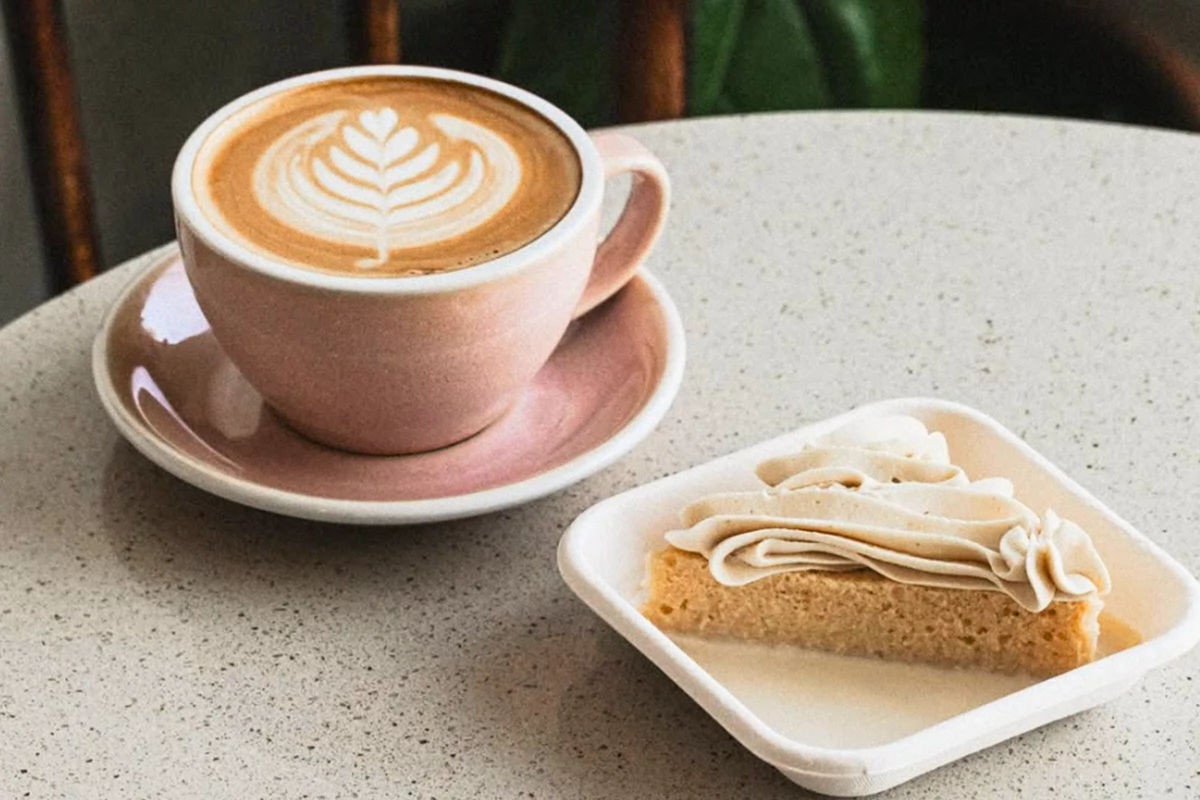 Credit: Gusto Bread
In Long Beach, Calif., Gusto Bread finds new formats for atole. In addition to serving the masa-based beverage as a latte, it also incorporates the ingredient into cakes.
Poc Chuc exudes bold, flavorsome simplicity by using two prevalent Yucatán ingredients: pork and sour orange. The dish typically features thin pork filets marinated in sour orange juice, then char-grilled and served with black beans, pickled red onions, habanero tomato salsa and tortillas. Operators can tempt guests by leaning into how every charred, succulent bite conjures a taste of Mesoamerican heritage. Variations could include different cuts of pork, citrus blends, bean varieties, spice additions or global flavor plays. One easy twist would be to move it from plated entrée to sandwich, salad, bowl or a shareable platter.
Try This
- Poc Chuc Meal: flame-grilled, thinly pounded large pork loin cutlet (marinated with orange and lime juices, cider vinegar, minced garlic) + pickled red onions + charred zucchini + habanero black beans + rice pilaf
- Poc Chuc Sub (or slider): char-grilled, thinly sliced pork shoulder filets (marinated with sour orange and achiote) + smashed pinto beans + pickled red onions + habanero-chicharrón aïoli + toasted bolillo roll
- Poc Chuc Stir-Fry: thinly sliced, flame-grilled pork loin (marinated with sour orange, ginger, Chinese five-spice) + wok-tossed red bell peppers, red onions, celery + spicy black pepper sauce + forbidden black rice
Atole encompasses a broad category of warm/hot masa-based drinks of Mesoamerican origin that are infused with fruits and spices. One specific variation, champurrado, is flavored with chocolate, yielding a richer taste and thicker viscosity. Both introduce new dimensions of texture in the beverage category and offer guests a unique, corn-based drink experience with ancient roots. Atole’s ability to embrace seasonal flavors and trend-forward stylings, along with its satiating, cozy quality, would also make it a wonderful morning menu offering.
Try This
- Guava Atole: toasted masa harina + water + guava purée + piloncillo + orange-cardamom cold-foam topper
- Espresso Champurrado: toasted masa harina + espresso + almond milk + Mexican chocolate + piloncillo + cinnamon + vanilla
- Pumpkin Pie Atole: toasted masa harina + water + oat milk + pumpkin pie purée + piloncillo + cinnamon-nutmeg-clove-ginger blend + whipped cream topper
About the Author
 Rob Corliss is a three-time James Beard House guest chef with more than 30 years of experience that includes running world-class hotels, launching new concepts, working in top marketing agencies and owning the culinary consultancy ATE (All Things Epicurean) since 2009. Based in Nixa, Mo., ATE has an energizing passion focused on flavor innovation and is dedicated to connecting people to their food, environment and wellness. Rob is also a regular contributor to Flavor & The Menu.Click to Read More Stories by Rob Corliss
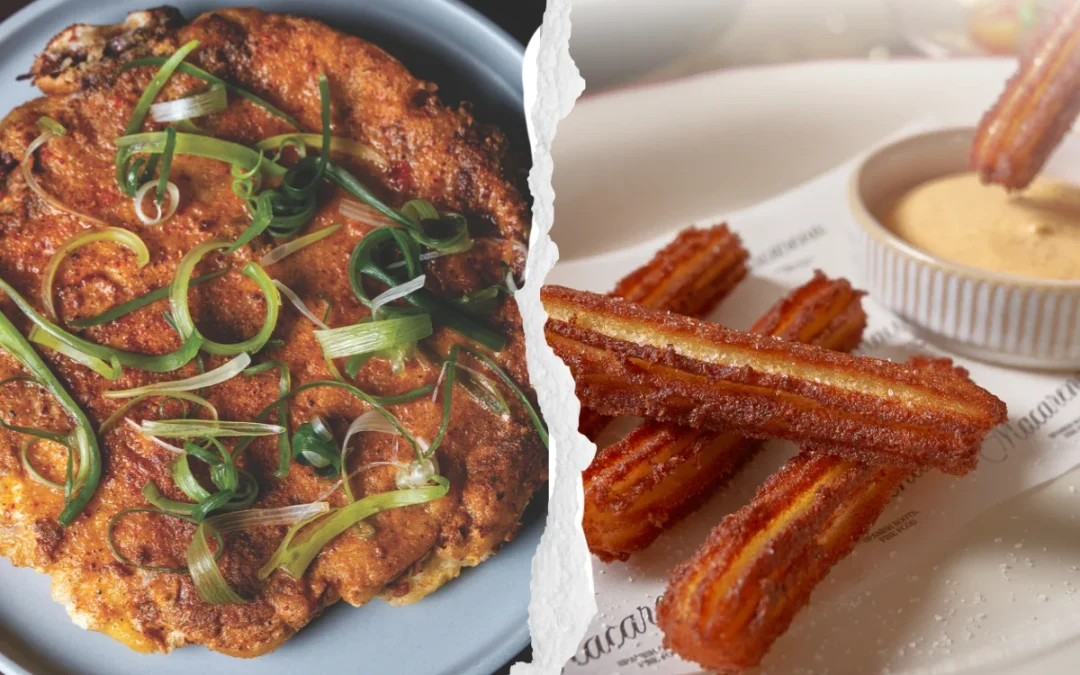
Savory Starters Upending Expectations Potato churros versus sourdough pancake
Flavor Trends, Strategies and Solutions for Menu DevelopmentWhat...

Flair Factor Six culinary embellishments taking dishes from simple to sophisticated
Flavor Trends, Strategies and Solutions for Menu DevelopmentThe...
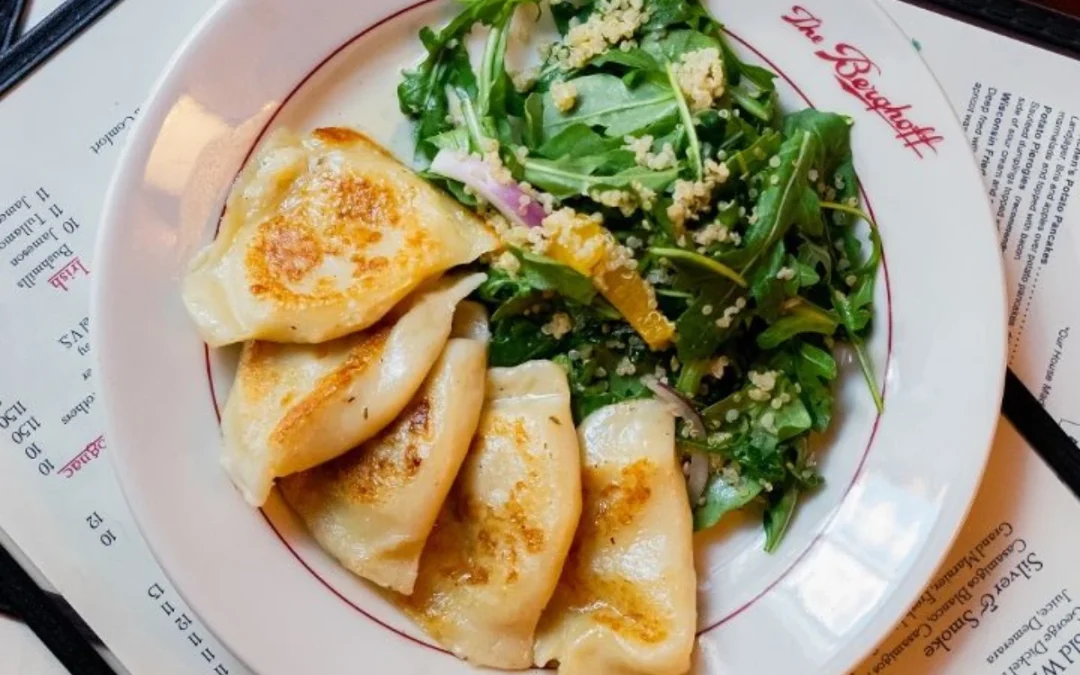
Dumplings Have Their Day Global comfort meets infinite menu possibilities
Flavor Trends, Strategies and Solutions for Menu DevelopmentAt The Berghoff in Chicago, sautéed...
