
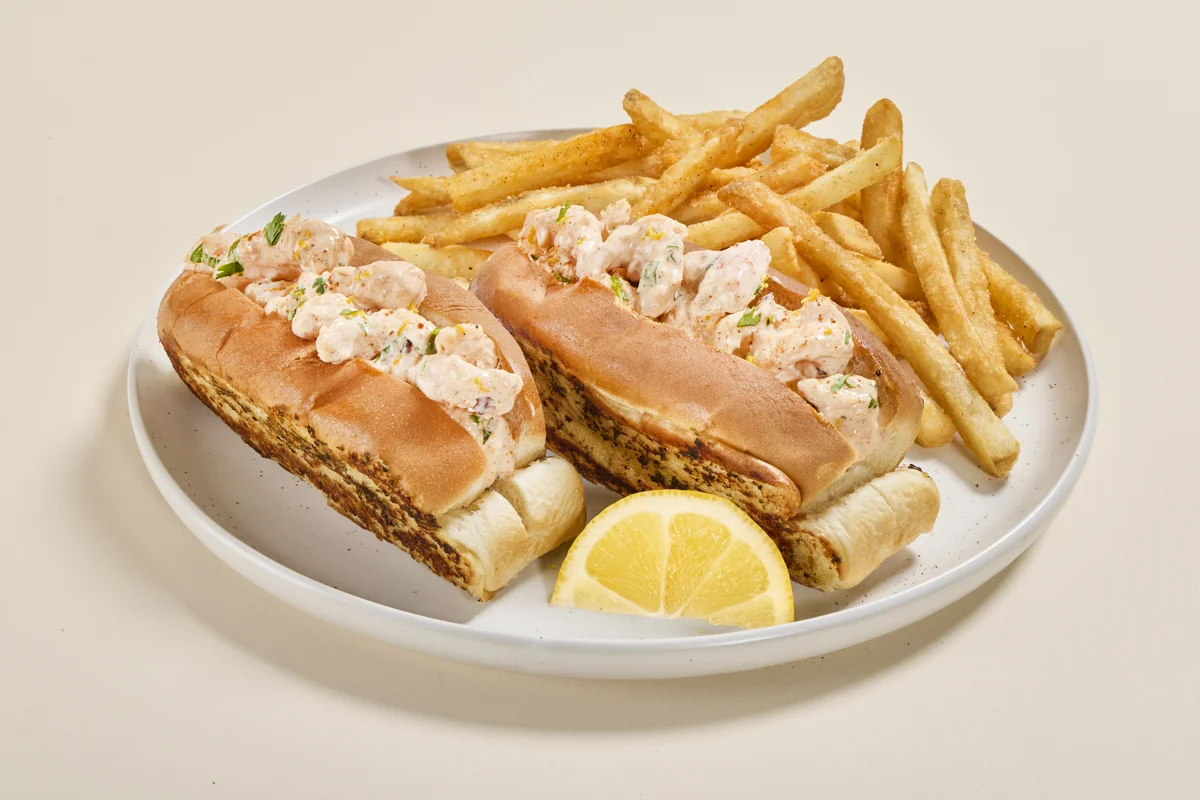
Rubio’s Baja Lobster Roll, launching fall of 2026, takes the brand’s seasonal lobster promotion into new territory. The premium LTO features a chilled lobster salad made with wild-caught Norway lobster lightly dressed in mayonnaise, garlic herb butter and a signature spice blend, piled onto a toasted garlic butter roll. Justin Mosel, executive director of culinary and supply chain, calls the format “a little out there for us,” but sees the move into a more premium space as a risk worth taking.
Credit: Rubio’s Coastal Grill
Flavor Trailblazer: Justin Mosel
Keeping a heritage brand relevant through disciplined innovation, sharper value and a willingness to take risks
Rubio’s Coastal Grill built its reputation around the fish taco, helping introduce the Baja favorite to American diners more than four decades ago. But sustaining a heritage brand requires more than protecting what made it famous. It means knowing which parts of the menu are untouchable, where there’s permission to push and, increasingly, how to make innovation work harder operationally. Justin Mosel has had plenty of time to understand those nuances.
Approaching his 20th anniversary with Rubio’s, the executive director of culinary and supply chain oversees everything from new menu development and core-menu changes to sourcing and equipment. That dual role gives him a particularly pragmatic view of innovation: A great idea still has to earn its way onto the menu—and sometimes, off it. Here, Mosel talks about keeping a legacy brand culturally relevant, why Rubio’s made a significant investment in bigger portions, the discipline behind a true LTO strategy and where he’s finding new possibilities in sweet heat, Mexican chiles and unexpected formats.

Justin Mosel
Katie Ayoub: You’ve been with Rubio’s for almost 20 years. What does your role look like today?
Justin Mosel: My title is executive director of culinary and supply chain. On the culinary side, “team” is a loose term because it’s just me, myself and I. I’m responsible for new menu development, changes to the core menu—really anything menu related. On the supply chain side, there are two of us, and I source everything from smallwares and packaging to food and equipment—anything a restaurant receives. I also work very closely with marketing. I’m part of their standing meetings throughout the week, so there’s a lot of cross-functional collaboration.
KA: What is the biggest challenge for Rubio’s when it comes to flavor innovation?
JM: We’re a 43-year-old brand, so staying culturally relevant through new-product innovation is a challenge. If we had stayed solely a fish taco brand and just continued doing iterations and line extensions of the fish taco, the gateway to innovation would probably be clearer. But over time, we’ve expanded into salads, bowls, tacos, burritos, desserts and other categories. Supply chain is another challenge, but not necessarily because ingredients are difficult to source. It’s about bringing in a new SKU and making sure you’ve projected demand correctly. We did a Piña Colada Churro that I thought was one of the most genius things we’d ever come up with: We took our churro, added a pineapple sauce and toasted coconut. It was so good—but it didn’t sell. Then we were left with all this coconut that we had committed to buying.
Experiences like that have me looking more closely at ingredients and flavor systems that give us flexibility. Dry spice blends, for example, have a longer shelf life, require less storage and can often be rehydrated or repurposed into something else. It gives us another way to access interesting flavors without necessarily bringing in a whole new set of ingredients.
KA: Value is such an important part of the conversation today, but it means different things for different brands. How do you approach the value equation?
JM: Providing better value for the money has been a major strategic pillar for us since 2025. One of the biggest things we did was increase our portions of chicken, steak and shrimp by 25 percent—without changing the price. We also increased portions of sides like beans and rice. It was a massive undertaking and a very expensive proposition, but it was the right thing to do based on guest feedback and how we compared with our competitors. We took a leap of faith that within six months we’d start to see the investment paid back through increased transactions—and it happened. This is the best year Rubio’s has had since I’ve worked here.
KA: You also have an interesting strategy around how you communicate value.
JM: We’ve found that advertising value works best outside the four walls—primarily digitally. That’s where we promote things like our $7 menu or Fish and Chips starting at $7.99. The thinking is that value gets someone’s attention and brings them into the restaurant. Maybe they buy that offer, or maybe they buy something of greater value to us. If someone is already inside the restaurant and knows what they want, why put a value message right in front of them and potentially trade them down? That strategy has been working really well for us.
 Credit: Rubio's
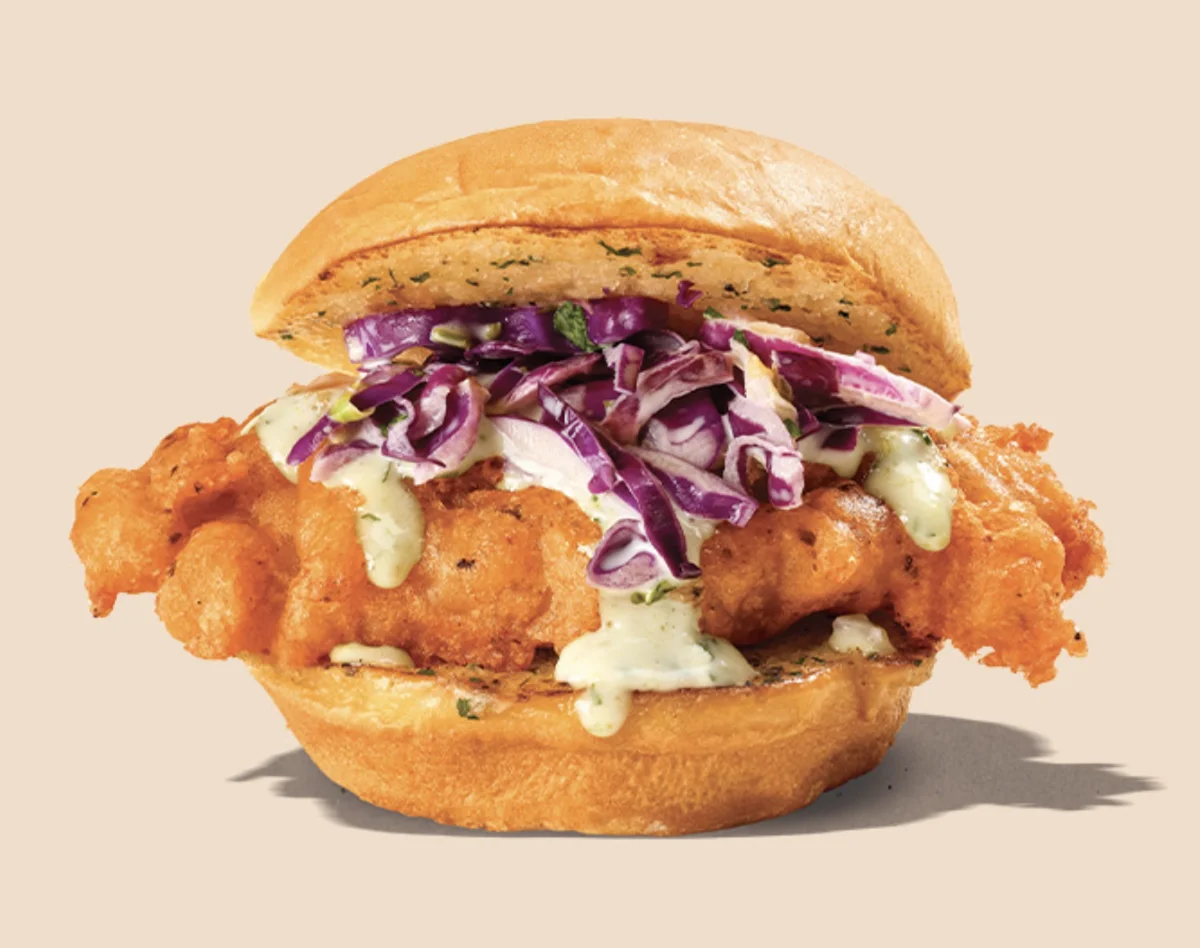
 Rubio’s leans into nostalgia with the Baja Fish Slider, a recent LTO that features crispy beer-battered pollock, charred jalapeño tartar sauce and cabbage slaw on a soft Hawaiian roll.
KA: Your approach to LTOs has become more disciplined, too. What changed?
JM: We’re really sticking to our guns that an LTO is exactly that: a limited-time offer. It’s not a testing ground to see whether something can make the core menu. We had fallen into a habit of launching an LTO and then keeping it permanently because we liked it, guests liked it and we didn’t want to see it go away. Eventually, the menu became overgrown and challenging to manage. Now we’re much more disciplined. Yes, it can be a pain point when an LTO ends and guests ask what happened to it, but it also means that item can come back in six months, a year or 18 months and be enjoyed again.
KA: Which of today’s trends are providing the most inspiration?
JM: Sweet heat is really fun. We’ve done several LTOs with chipotle honey that performed well, and now I’m looking at the next iteration of that trend. You’re seeing ancho honey, árbol honey—it’s expanded up the chile aisle. There’s still a lot of room to explore. I’m also really intrigued by nostalgia. We recently introduced sliders using King’s Hawaiian hamburger buns. One is fried fish with slaw and charred-jalapeño tartar sauce. It’s classic and familiar, and there’s so much you can do within that slider format. I’m looking at expanding that platform.
KA: What flavor trends are providing the most inspiration right now?
JM: In all honesty, sweet heat is probably the thing that’s the most in our wheelhouse that we’re having success with. Guests want heat, and we’re increasingly seeing that. But pairing it with sweetness as opposed to just giving them heat for the sake of giving them heat has been something we’ve had a lot more fun with. In that same vein, we’re thinking of things like honey-chile or mango-habanero sauces that are becoming more popular.
 Credit: Rubio's
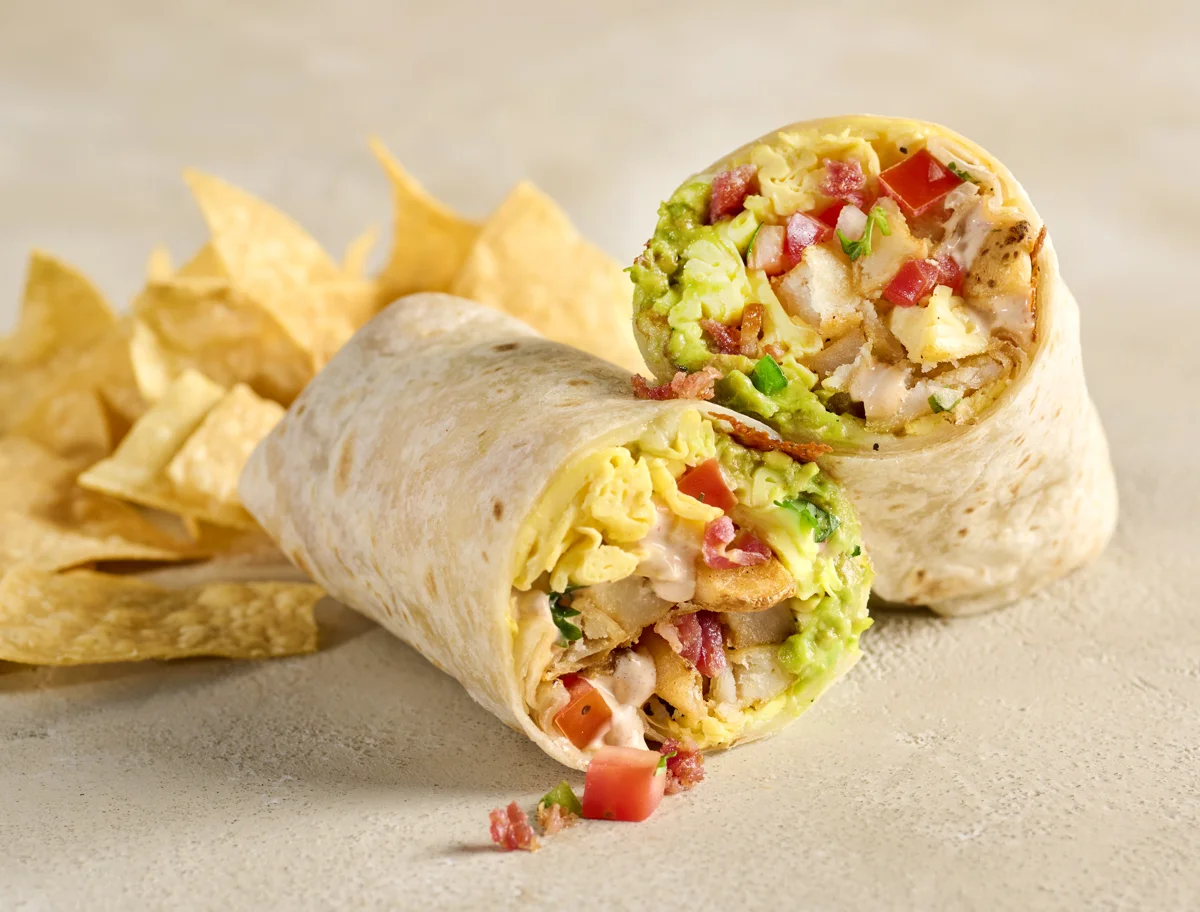
 Rubio’s teamed up with professional surfers and brothers Crosby and Griffin Colapinto on the All-World Breakfast Burrito, featuring a warm flour tortilla packed with bacon, eggs, paprika fries, pico and chipotle-lime crema—plus 47 grams of “brotein.”
KA: Rubio’s has done some interesting collaborations. What role do those play?
JM: With collaborations, part of the goal is tapping into someone else’s audience. For example, we worked with professional surfers and brothers Crosby and Griffin Colapinto on the All-World Breakfast Burrito LTO and hoped to reach their social following and tap into that Southern California surf culture. The brothers even named the burrito, borrowing “All World” from surf slang for something especially impressive. We’ve also collaborated with celebrity chef Richard Blais in the past.
KA: What are the enduring menu items that define Rubio’s?
JM: The Original Fish Taco is our bread and butter. Rubio’s is credited with bringing the Baja-style fish taco to the United States, so that can never go away. Our California Bowl is another. It has avocado-tomatillo sauce, citrus rice, black beans, guacamole and pico de gallo, with a choice of protein. It’s just a cash cow for us—it never stops. Bowls overall remain very important. They have their own category on our menu, and they’re part of our strategy with virtually every LTO. We continue to innovate around them, and they’re definitely not going away.
 Credit: Rubio's
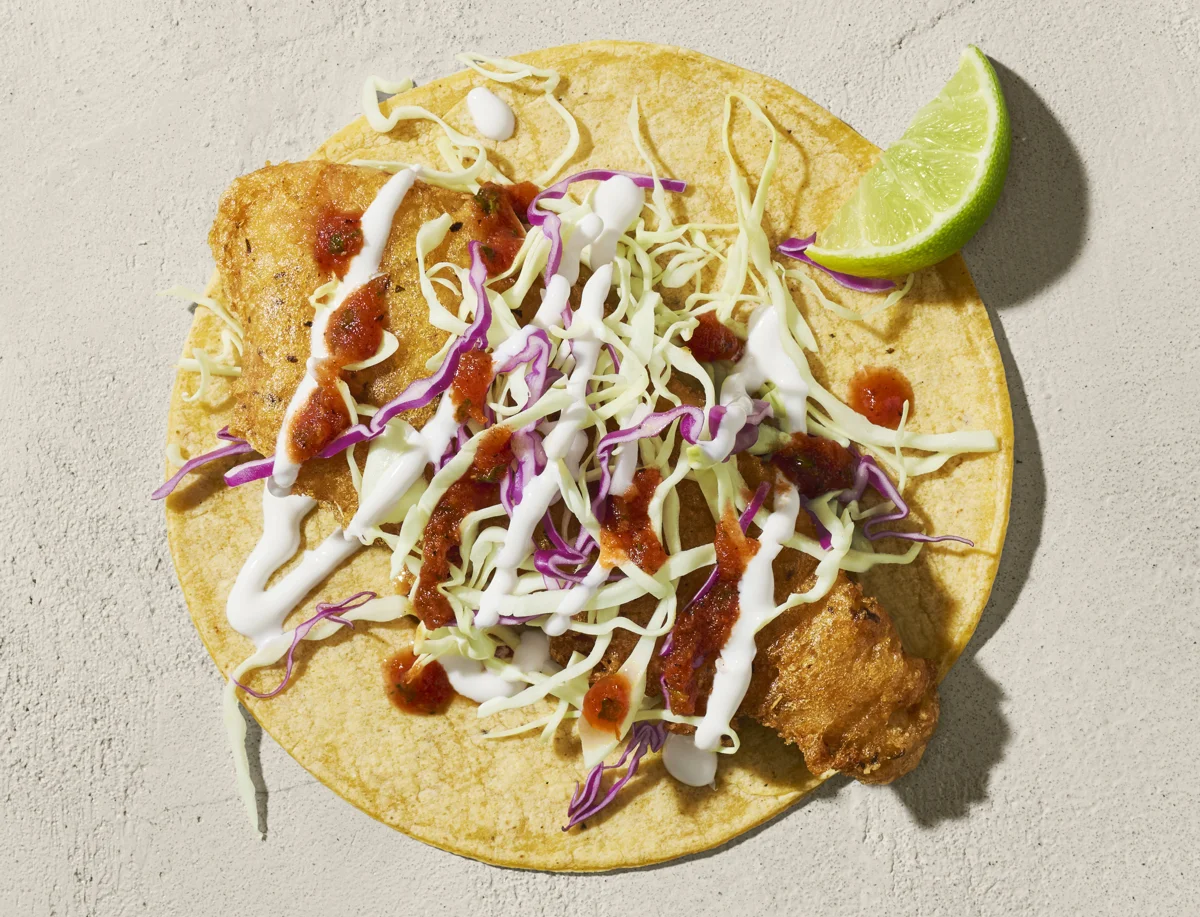
 Rubio’s Original Fish Taco remains the cornerstone of the 43-year-old brand, which is credited with helping introduce the Baja-style fish taco to U.S. diners. The enduring signature pairs battered wild-caught Alaska pollock with cabbage, white sauce and mild salsa on a warm corn tortilla.
KA: What’s coming next that you’re particularly excited about?
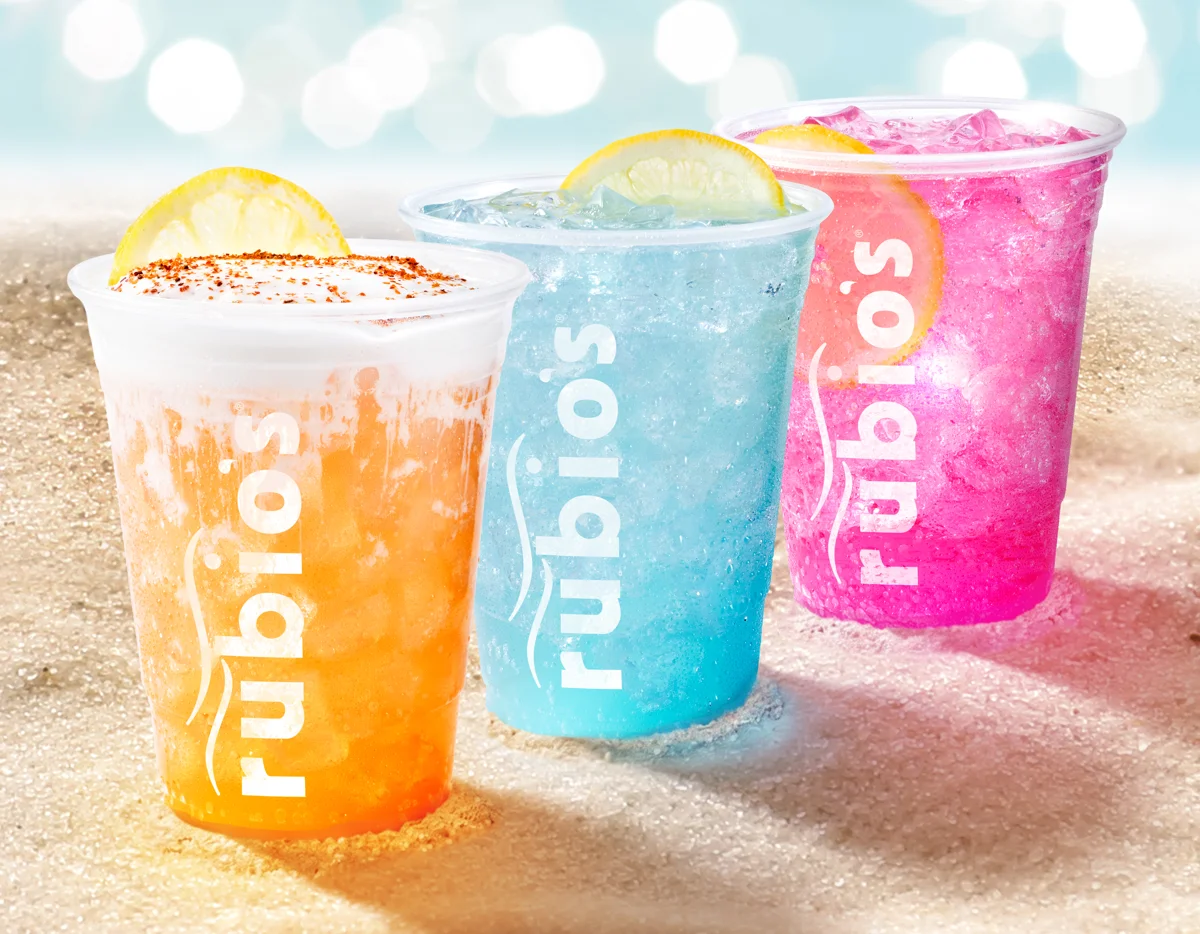
JM: We have a lobster promotion coming this fall, and one of the new items I’m most excited about is the Baja Lobster Roll. It’s a bit of a step into a more premium world for Rubio’s, so there’s certainly some risk, but I think it’s worth doing. It’s a cold lobster preparation with mayonnaise, cilantro and lemon zest, served in a New England–style roll. It’s something very different for us. I’m also really excited about our new Coastal Refreshers. We’re using zero-sugar energy syrups in the berry-flavored Blue Wave and the dragon fruit Pacific Pink Sunset, with sparkling water as the base. And for 75 cents, guests can make them “dirty” with a chile-lime cold foam. That element makes the drinks feel very Rubio’s and connects something that’s trending in beverages back to our heritage.
 Credit: Rubio's
 Rubio’s new energy-drink line of Coastal Refreshers brings a bright, bubbly, play to the beverage menu. The trio features the citrus-forward Coastal Creamsicle Refresher, berry-flavored Blue Wave Refresher and tropical dragon fruit Pacific Pink Sunset Refresher, each mixed with sparkling lime.
QUICKFIRE
Source of inspiration:
Flavor & The Menu and Flavor Experience are genuinely big sources for me. I also follow a lot of restaurant brands on social media: Sweetgreen, Cava, Jack in the Box and Taco Bell. Lately, I’ve also been exploring cloud kitchens. Seeing operators run multiple concepts from incredibly small kitchens has me thinking about what else a brand like Rubio’s could potentially do and even what other cuisines we might explore.
Something in your fridge that would surprise people:
The Coconut Cult coconut yogurt. It’s incredibly acidic and has so much flavor that you only need about a tablespoon. My wife and I are also obsessed with black forbidden rice cooked with coconut oil and topped with fried eggs. We almost always have that rice in the refrigerator.
Best bite you’ve had recently:
The burger from a spot in San Diego called The Wise Ox. It’s made from a blend of steak cuts and has this incredible smoky flavor. I’ve also been impressed by Taco Bell’s Cantina Chicken Burrito. There’s a ton of flavor in this small, portable format, and pressing it so it comes out hot and gooey is such a smart detail.
Ingredient or cuisine you’re excited about:
Mexican cuisine just keeps giving. There’s so much to explore, especially with chiles. I’ve been experimenting with chilaca chiles and recently discovered puya chiles, which have some of the fruity, leathery characteristics of guajillo but with more heat. It feels like there’s always another layer of Mexican cuisine to discover.
Go-to late-night snack:
Being from San Diego, it has to be fried beef tacos from a 24-hour Mexican spot. The best ones fill a corn tortilla with shredded beef, fry the whole thing fresh and then add lettuce, pico and cheese. You have to make sure they’re frying the taco to order rather than using a pre-fried shell. There’s nothing better.
About the Author
 Katie Ayoub serves as managing editor of Flavor & The Menu and content strategist for the Flavor Experience, an annual conference geared toward chain operators. She is president of Katie Ayoub & Associates, serving up menu trends expertise, content creation and food & beverage consultancy. Based in Chicago, Katie has been working in foodservice publishing for more than 20 years and part of the Flavor team since 2006. [email protected]Click to Read More Stories by Katie Ayoub
Snack Attack How snacks and small bites are packing a big flavor punch
Flavor Trends, Strategies and Solutions for Menu Development[google_sidebar_ad adslug="2026-09-Surround-Lactalis-320x50"...
Refreshers on the Rise Operators lean into fruit, sparkle and energy to deliver modern beverage appeal
Flavor Trends, Strategies and Solutions for Menu Development[google_sidebar_ad adslug="2026-09-Surround-Vibrant-320x50"...
Flavor Face-Off: Nostalgic Desserts With Plus-One Power Classic desserts as a launchpad for innovation
Flavor Trends, Strategies and Solutions for Menu DevelopmentFamiliar sweets like spiced bundt cake...
