







Sumac’s tart punch and striking color make it a natural fit for today’s flavor-forward menus.
Flavors on the Edge: Sumac
A tart, citrusy spice finds fresh relevance across the modern menu
Unlike citrus juice or vinegar, sumac delivers acidity in a dry format, making it especially valuable in modern menu development. It can brighten fried foods without softening crisp textures, sharpen creamy sauces without thinning them and add visual intrigue as a finishing spice across everything from mains to cocktails to desserts. That flexibility is helping propel sumac well beyond traditional uses.
“I’m drawn to the way sumac delivers brightness in a dry format,” says Jon Eyer, VP culinary operations, Great Wolf Lodge. “It gives you that citrusy lift and acidity without adding liquid, which allows the integrity and texture of the dish to remain intact.” Versatility is its most compelling attribute, he says. “It can elevate something as simple as a salad while still feeling thoughtful and chef-driven. It’s become an ingredient I rely on when a dish needs freshness, brightness and another layer of complexity.”
Flavors on the Edge is an ongoing series that explores emerging ingredients poised to become high-impact flavor builders.
Related Reads
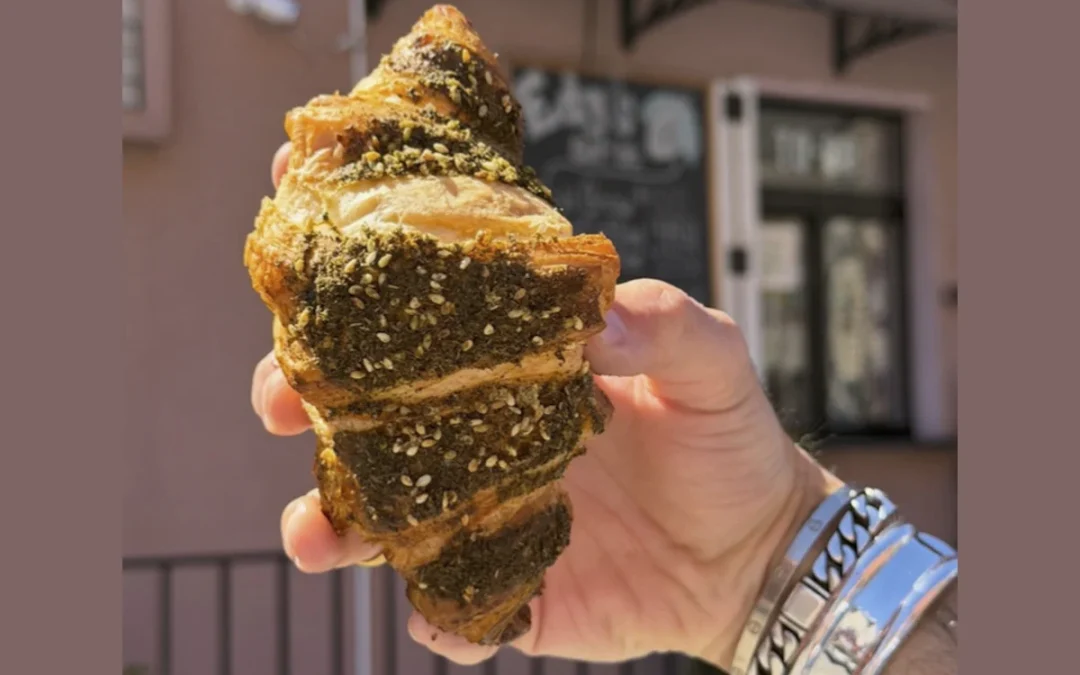
Croissant Craze Labneh brings tangy richness to modern baked goods
Flavor Trends, Strategies and Solutions for Menu Development[google_sidebar_ad...

Breakfast and Brunch Star Salted maple is ready for its morning close-up
Flavor Trends, Strategies and Solutions for Menu Development[google_sidebar_ad...
