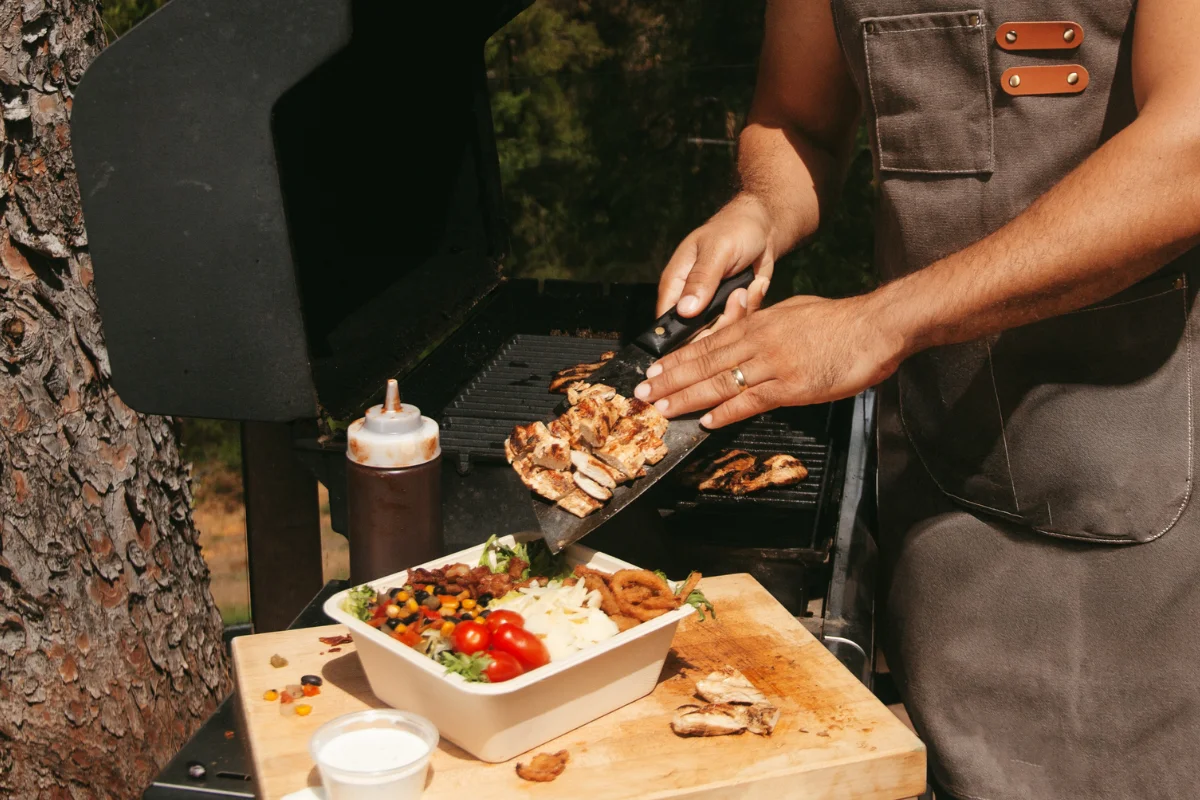
Habit Burger’s “Hot Dads” campaign capitalizes on the tongue-in-cheek nature of the “boy kibble” micro-trend and flurry of protein-maxxing menus.
Credit: Habit Burger
Bites & Sips: “Boy kibble,” Tacomakase and S’more
Exploring microtrends, one bite and sip at a time
I. Manly Meals
Following on the heels of the girl-dinner boomlet that denoted too-tired-to-cook, charcuterie-like impromptu meals embraced by weary women, it was inevitable that masculine fare would get equal time. And it has. “Boy kibble,” the inelegant name for a simple mixture of ground beef and rice, has been widely touted by Gen-Z fitness influencers and taken social media by storm. It has also generated mainstream media coverage, sparked pushback from nutritionists and triggered comparisons to dog food and “slop.” Unlike its more feminine counterpart, however, it has not given rise to restaurant versions.
It likely won’t, since what’s now termed “protein-maxxing” has been the hottest better-for-you menu trend of the past decade and a reliable male magnet. Protein-forward items have become menu mainstays. Last January, just in time to coincide with New Year’s diet resolutions, Subway introduced new Protein Pockets that pack 20-plus grams of protein. In April, Hardee’s doubled down on protein with the limited-time Prime Rib Burger that tops an Angus beef patty with prime rib dipped in au jus. And Denny’s new promotional He-Man Battle Burger is a meaty trifecta: The beef patty is crowned with both pulled, slow-cooked beef and bacon.
Food for dudes isn’t exclusively protein driven, however. The fun “Hot Dads Eat Habit Salads” is new to the core menu at Habit Burger. The current Mr. BBQ Chicken Salad is fresh off the grill and bold with both flavor and attitude—cheeky point-of-sale material pictures a notably hunky dad putting the finishing touches on his salad.
Protein options on menus may pick up steam going forward, as newly updated dietary guidelines have almost doubled recommended daily protein intake. Just as important for operators, protein is an equal-opportunity nutrient that has cross-gender appeal. Dishes like First Watch’s Elevated Egg Sandwich with bacon, Gruyère and smashed avocados are not just bites for bros, but can appeal to all wellness-seeking consumers, too.
II. Global Omakase
 Credit: Dirty Taco
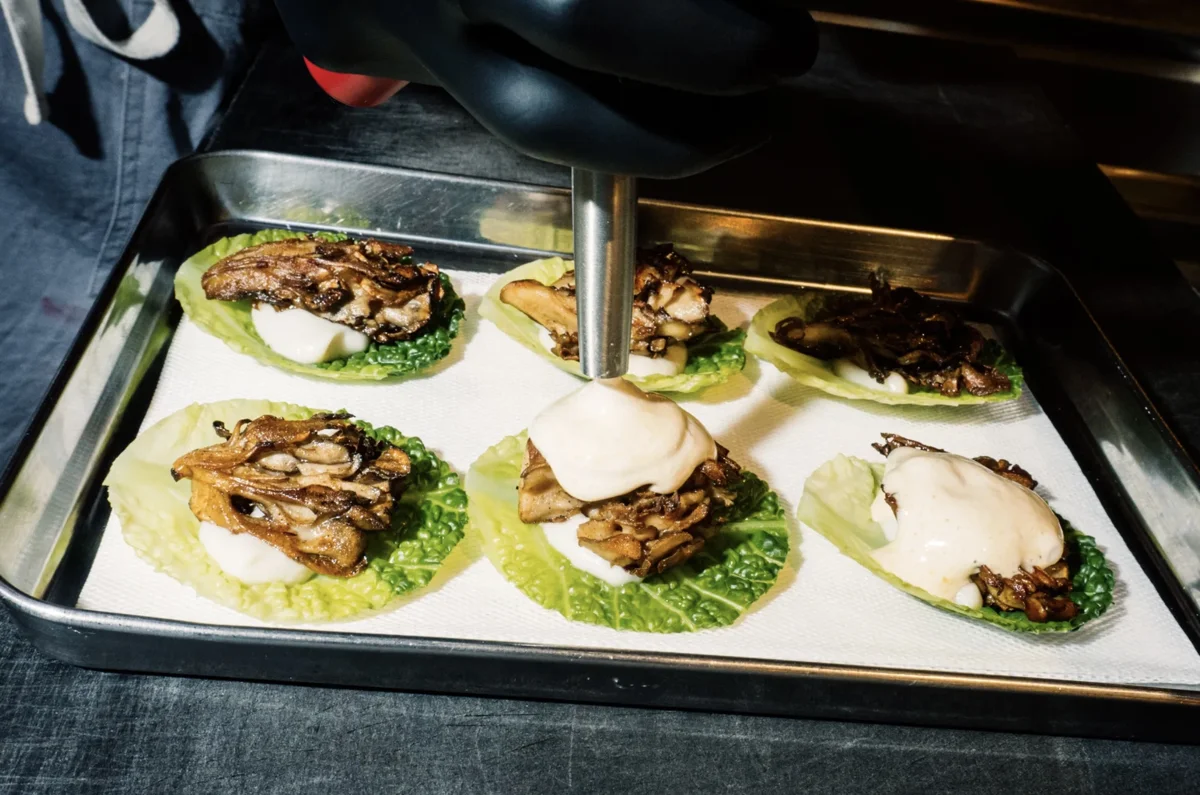
 At Dirty Taco’s after-hours TacOmakase experiences, chef-partners Tae Lee and Jake Geragos flex their fine-dining muscles.
In Japanese, “omakase” translates as “I will leave it to you,” and it has come to connote high-end sushi dinners, in which the items served and the order of their presentation are left entirely up to the chef. The model, which originated in Japan in the 1960s, has evolved to include some unexpected adaptations.
So-called “tacomakases” have been popping up around the country, influenced by acclaimed Mexico City chef, Enrique Olivera, who reframed the concept to fit his focus on fresh, seasonal and unique Mexican ingredients. The practice has caught on stateside at a range of restaurants like Michelin-starred Cariño in Chicago, where the tacomakase menu includes an unconventional michelada that subverts the popular bar beverage with its chef-driven dish of oyster, Clamato “pearls” and beer foam.
The more casual Dirty Taco in New York City offers an after-hours TacOmakase at its location in Grand Central Station. Available just six nights a month and for just six lucky diners, the dozen or so courses reflect chef-partners’ travels and cultural backgrounds (one is of Armenian descent and the other Korean). The meal can be washed down with Korean rice wine, which adds another global element to the mix.
In a further break with tradition, beverage specialists are on board, too. This spring saw the opening of Cocktail Omakase in New York, where guests are guided through a four-course cocktail tasting available in nonalcoholic, low-ABV or full-proof versions. Served in 3- to 4-oz. portions, options include Sushi Sazerac, an East-meets-West drink layered with shochu, rye whiskey, nori and bonito bitters that is presented with complementary bites like Japanese Sweet Potato Latkes with yuzu-wasabi tobiko (fish eggs).
Coffee-centric omakases have also been making an appearance. San Francisco’s coffee-tasting pop-up Komakase has generated buzz with its seven-course, $60 omakase menu with signatures like Fizzy Cascara Spritz made with the fruit of the coffee seed. Down the coast in Los Angeles, Endorffeine works with several roasters including Tokyo-based Leaves Coffee to feature a tasting menu of coffee and cocktails.
Given the hotly competitive and highly creative nature of the coffee segment, mainstream coffee brands may jump in with omakase-like promotions of their own to allow patrons to taste, sip and sample their brews.
III. Nibbles and Bits
 Credit: The Cottage
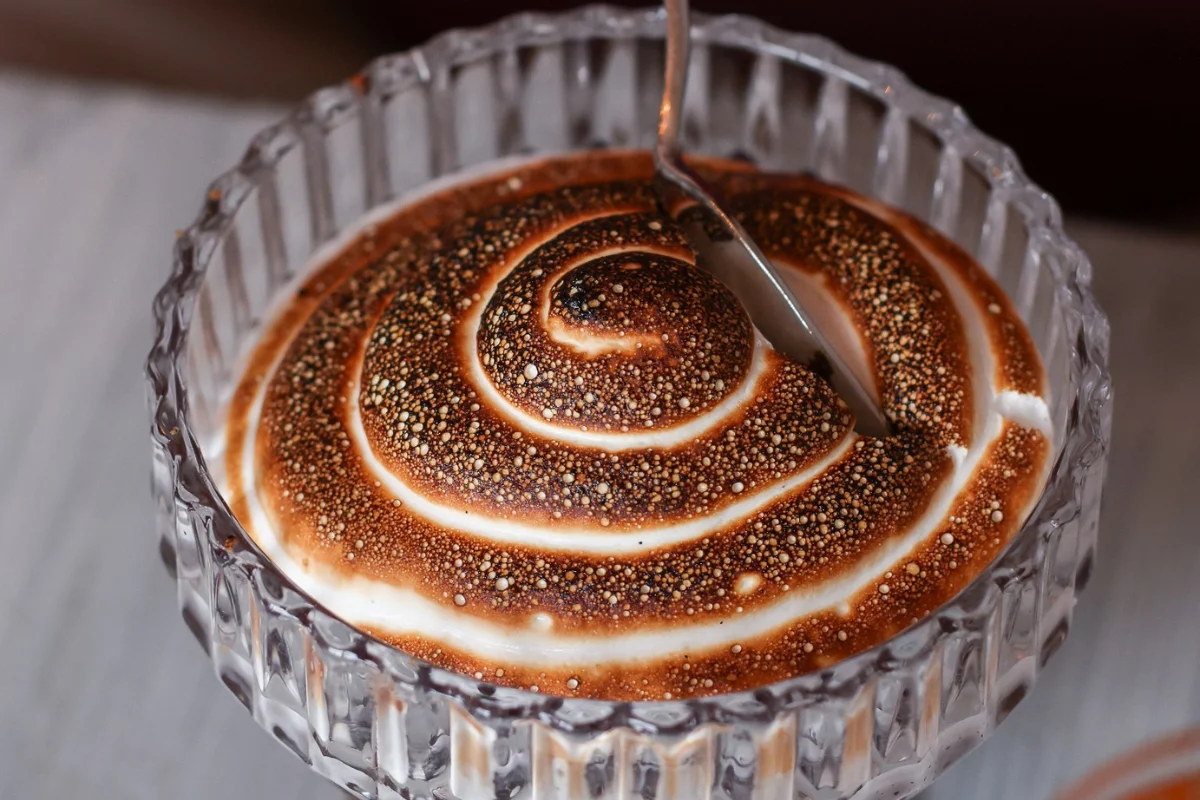
 S’mores gets an elegant upgrade at The Cottage, with graham cracker crumble, fior de latte, hot chocolate and toasted marshmallow.
Menu rites of summer have come to include the annual appearance of s’mores, the century-old campfire favorite that combines chocolate, marshmallow and graham crackers in an irresistibly gooey package. Adapted to flavor ice cream, cupcakes, milkshakes and other frozen treats, it has also become a warm-weather staple on coffee menus. In fact, some coffee specialists aren’t waiting for the summer equinox to bring their versions to market. In April, Scooter’s Coffee launched its limited-time S’mores Crème Cold Brew, which combines cold foam with marshmallow sauce topped with mocha sauce and graham-cracker crumbs. Nostalgia goes uptown in sophisticated desserts like the Bonfire, a fun fan-favorite at The Cottage’s two units in Connecticut. It’s made with graham cracker crumble, fior de latte, hot chocolate and the requisite toasted marshmallow.
And the dairy category has become a real culinary hotbed. Snooze rolled out Whipped Cottage Cheese Toast layered with balsamic date spread and fresh basil pesto and finished with blistered tomatoes, hot honey and red pepper flakes—the latest in a series of contemporary menu takes on the protein-rich supermarket staple. In January, the frozen-yogurt meisters at 16 Handles debuted a limited-time Strawberry Kefir Soft Serve; rich in protein, probiotics and calcium, it’s said to be a menu first in this format.
Butter is also making some distinctly unconventional appearances in soft serve items around the country. The concept is credited to influential pastry chef Dominique Ansel in New York, who sold butter-dipped vanilla soft serve last fall. Numerous chains, retailers and local independents have followed suit, like Dairy Delite in suburban Minneapolis. Frequent promotions here include butter-dipped cones with a sprinkle of sea salt and butter-topped ice cream sundaes doused in caramel or chocolate and a host of crunchy finishes. Despite being sweet versions of protein-maxxing, it’s not likely that wellness is the driving force behind their growth.
About the Author
 Nancy Kruse is a recognized authority and widely quoted spokesperson on food and menu trends. She is president of The Kruse Company, which is dedicated to assessing trends and directions in food, menu and restaurant concepts; she has tackled these topics in the pages of leading industry publications and forums. Prior to founding her own company, Nancy served as Executive Vice President for Technomic, Inc., where she conducted a wide range of consulting assignments for Fortune 500 food and restaurant companies. She has served on several boards, and she has been an active member of the Women's Foodservice Forum and Las Dames d'Escoffier International.Click to Read More Stories by Nancy Kruse
The New Sauce Economy: How Flavor Drives Chicken Innovation Sauces, dips and drizzles are becoming the fastest path to menu differentiation
Flavor Trends, Strategies and Solutions for Menu DevelopmentA...

Chimichurri Makes Its Move Menu concepts from Kitchen Collaborative 2026 showcase expanded potential for the herbaceous Latin American sauce
Flavor Trends, Strategies and Solutions for Menu Development[google_sidebar_ad adslug="2026-08-Surrounds-SupHerb-320x50"...
Best of Flavor 2026 Our Best of Flavor issue brings together 101 standout menu concepts, reflecting the creativity shaping today’s menus
Flavor Trends, Strategies and Solutions for Menu DevelopmentHERO CAPTION HERE, HERE AND HERE HERO...
