


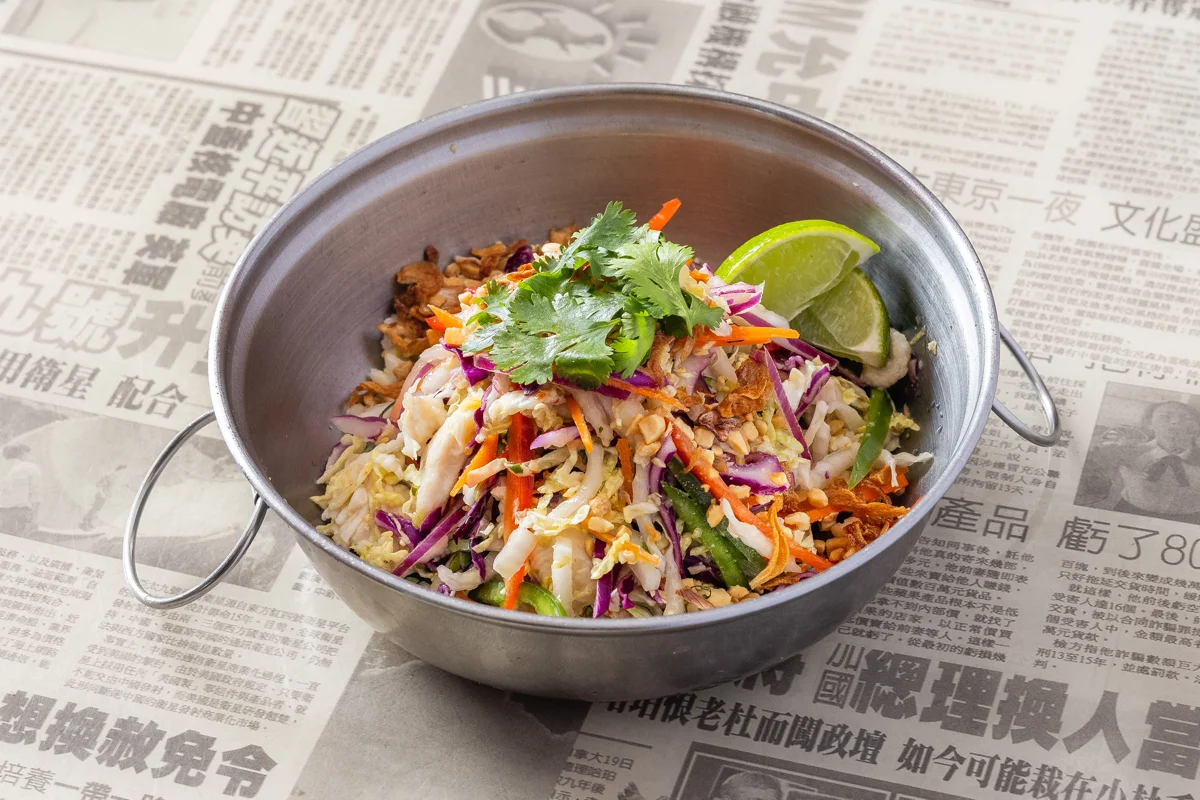
For many guests to Hawkers Asian Street Food, the Vietnamese “Goi Gá” is an introduction into slaw’s global flexibility and center-of-the-plate potential.
Credit: Hawkers Asian Street Food
Slaw Moves From Basic Side to Menu Superstar
Exploring global flourishes and fresh applications
Beyond this simple recipe, slaws are found in cuisines the world over, from Filipino atchara to Dutch koolsa to Salvadorian curtido. “Coleslaw might seem like the most American of sides, but nearly every global culture has its own iteration,” says Claire Conaghan, Datassential associate director and trendologist. “It’s a humble category that turns out to have deep global roots.” In recent years, perhaps no slaw iteration has had a more profound impact on the U.S. dining scene than kimchi, which has primed American palates to try less familiar spins on pickled/fermented shredded cabbage dishes. In addition to the expansion of Korean cuisine (as exemplified by the continued growth of Bonchon and other chains), some of the industry’s largest non-Korean players are noticeably leaning into fermented cruciferous veggies.
This past January marked the third year Shake Shack has offered a limited-time, Korean-style menu, and each time kimchi slaw has been a part of the lineup. In March, Sweetgreen introduced two KBBQ chicken limited-time offers; the salad and the plate feature cucumber kimchi, napa cabbage slaw and apple-kimchi sauce, upping both the crunch and the tang. And this month, the brand’s first foray into the wrap category includes a KBBQ option, with the requisite napa cabbage slaw and apple-kimchi sauce as part of the build. These specials correspond with broader menu shifts. According to Datassential, slaws in handheld protein items and veggie entrées have increased more than 200 percent over the past decade. In rice/grain bowls, they have increased 85 percent.
Zaxbys started playing in the global slaw space nearly two decades ago when it introduced the Asian Zensation Zalad. The LTO was so popular that the brand brought it back several times over the years before making it part of the permanent lineup in 2024. The salad comprises mixed greens, carrots, red cabbage, wonton strips and, notably, a special slaw. “Zaxbys Coleslaw is a menu staple, but in the creation of our Asian Slaw, we put a new spin on an old favorite,” says Gregg Brickman, chef and senior director of menu innovation. “Our Asian Slaw is integral to the bold Asian Zensation flavor. It’s sweet yet citrusy with hints of ginger and sesame that adds a mouthwatering crunch to our beloved menu items.”
The enduring success of the Asian Zensation Zalad has set the stage for additional builds that incorporate the slaw, including last fall’s Asian Zensation Wrap LTO, which returned in April as part of the new line of Giant Chicken Finger Wraps. “Even in this new format for the brand, Zaxbys Asian Slaw offers a light, refreshing citrus flavor that marries with the savory taste of our iconic Chicken Fingerz,” Brickman says. “And for the true fans who can’t get enough, our Asian Slaw is also available as a side to add a citrusy snack to any meal.”
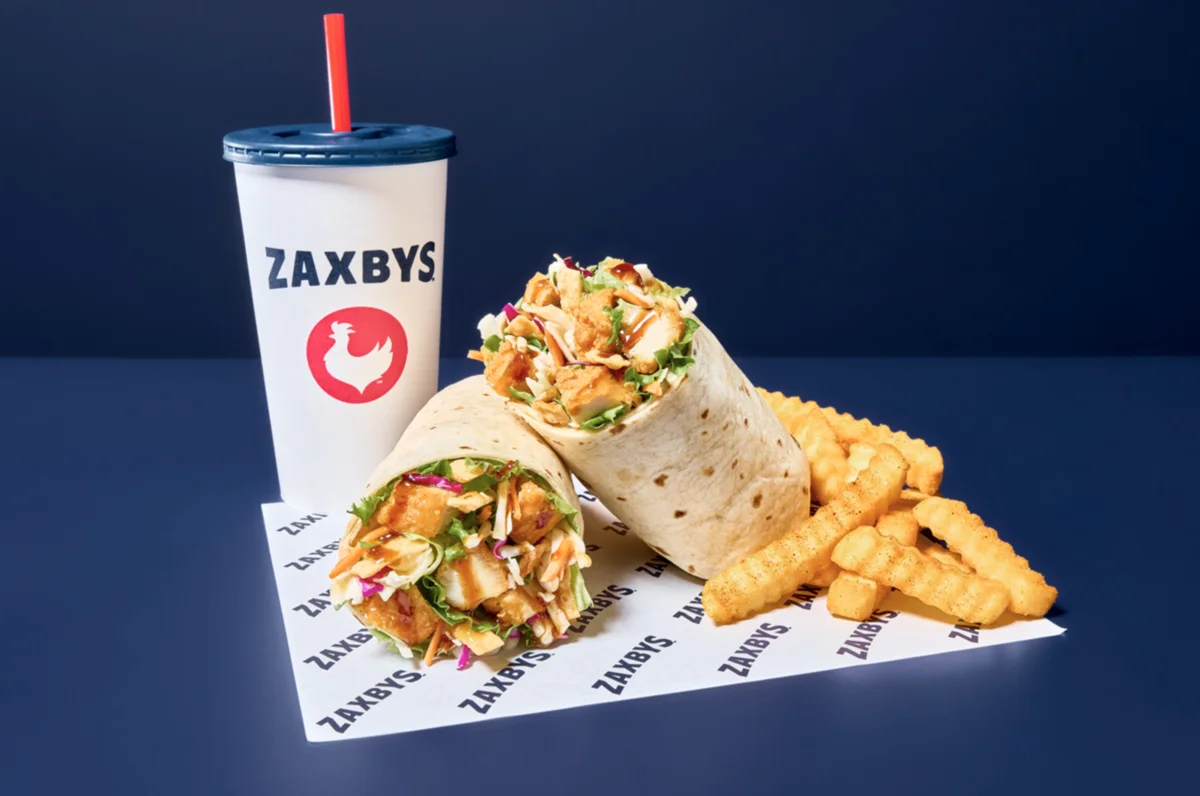 Credit: Zaxbys
 Zaxbys continues to grow its Asian Slaw platform, which can be found in the limited-time Giant Asian Zensation Wrap (pictured) and the now-permanent Asian Zensation Zalad.
As international-leaning slaws find traction on mainstream menus, cuisine-specific concepts are serving up authentic, region-specific cousins of coleslaw. Over the past four years, the appearance of slaws in global and specialty cuisines increased 23 percent overall; for both Asian and European cuisines, it’s a 10 percent increase, respectively, per Datassential.
Hawkers Asian Street Food has introduced consumers to flavors from across Southeast Asia, walking the fine line between novel and approachable, traditional and updated. The Vietnamese “Goi Gá” Salad, for example, honors the spirit of the original while refining the formula. Like its American counterpart, the traditional Vietnamese slaw is anchored by cabbage and carrots and sports a tart flavor and crunchy texture. But from there, the similarities fall away, with goi gá offering something much more complex. Fresh herbs like cilantro and/or mint impart aromatic depth, while nuoc mam dressing combines not only the brightness of lime juice and the sweetness of sugar, but also umami-packed fish sauce, pungent garlic and spicy bird’s eye chile. Finishers of fried shallots and peanuts double-down on the crunch factor.
“Goi gá is all about contrast: crisp, refreshing and deeply savory all at the same time. It’s tangy, slightly spicy and incredibly vibrant,” says Allen Lo, brand chef and cofounder of Hawkers. “For many guests, it’s an introduction to the flavor profile, and what surprises them the most is the balance: how something can feel so light and refreshing while still delivering depth of flavor. It’s one of those dishes that feels both approachable and unexpected at the same time.”
And unlike coleslaw, which is almost always a side or garnish, goi gá incorporates chicken, transforming the dish into a filling entrée. Typically, the poultry is boiled and shredded but this is one area where Lo breaks with tradition, opting instead to slow-poach the chicken, which yields a more tender, velvety texture to better soak up the dressing.
Many guests who order the goi gá are unfamiliar with it and might not connect it to domestic coleslaw. But herein lies an opportunity. “Goi gá really reframes what a ‘slaw’ can be. Instead of playing a supporting role, the cabbage becomes the foundation of the dish—bringing texture, structure and a refreshing crunch that carries all of the other ingredients, allowing them to be the star of the show,” Lo explains. “It shows how something traditionally simple can be elevated into something layered, satisfying and center-of-the-table-worthy.”
On the other side of the world, pikliz brings the tang and crunch that’s coleslaw’s calling card but in a portion much smaller than an entrée or even a side dish. The Haitian condiment typically combines cabbage, carrots, Scotch bonnet peppers, bell peppers, garlic and onion, which are then pickled in citrus and/or vinegar. Similar to how American coleslaw is served alongside rich meats, pikliz is a natural accompaniment to griot (fried pork) and tasso (fried beef or goat). But some operators are applying pikliz in surprising new areas.
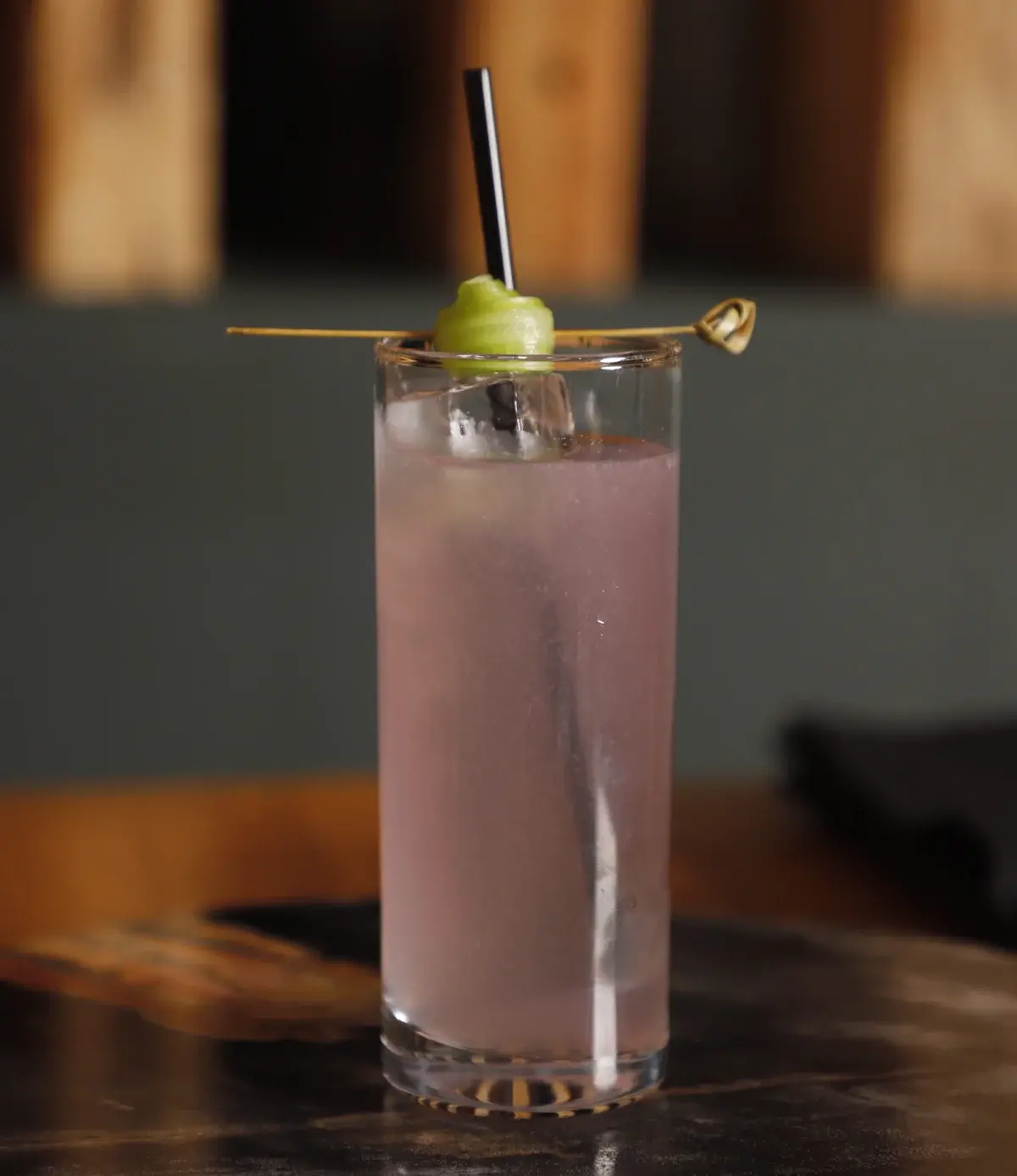 Credit: Haamza Edwards for Honeysuckle
 Pikliz, a staple Haitian condiment anchored by pickled cabbage, is incorporated into the Lajan Sal cocktail at Honeysuckle in Philadelphia.
In Philadelphia, Honeysuckle features pikliz twice on the menu. The restaurant from James Beard semifinalists Omar Tate and Cybille St. Aude-Tate spotlights cuisines from across the African diaspora, including Haiti. Here, pikliz appears as a traditional condiment in the tasso entrée (prime short rib served with coco bread), as well as an unexpected component in a beverage application. The Lajan Sal, which translates to “dirty money” in Creole, is a vegetable-based dirty martini featuring lacto-fermented pikliz (this one made with vinegar, cabbage, carrot, onion and spices), sweet pea vodka and a garnish of lemon peel. The layered flavor profile deftly balances tart, spicy and sweet notes.
Even the more familiar sauerkraut is shapeshifting on U.S. menus. Instead of pairing it alongside bratwurst, the fermented cabbage can be found in dessert at Apothecary in Dallas. The creative cocktail bar and lounge serves a Sauerkraut Cake in which the namesake ingredient is mixed into chocolate cake batter; it’s finished with brandied cherries and chocolate ganache. At one point, the dish (originally developed at now-shuttered sister restaurant Rye) was even adapted into a mudslide cocktail, complete with a bit of cake, cherry-coffee cocoa butter vodka and amaro-cocoa whipped cream.
As off-the-wall as sauerkraut cake might seem, it actually has more than half a century’s worth of history. Developed in the 1960s, it was playfully dubbed “Don’t Ask Cake,” given the potentially off-putting inclusion of sauerkraut. But like other veggies that show up in baked goods (zucchini, carrots, yams), the sauerkraut brings moisture more than tang. “I would say, in general, that guests are skeptical, and then they’re really surprised and enjoy it because it is so different from what you’d normally expect from a dessert,” Apothecary owner and creative director Tanner Agar told D Magazine. Given consumers’ growing interest in fermented ingredients, the addition of sauerkraut might be a boon on today’s menus rather than a repellant.
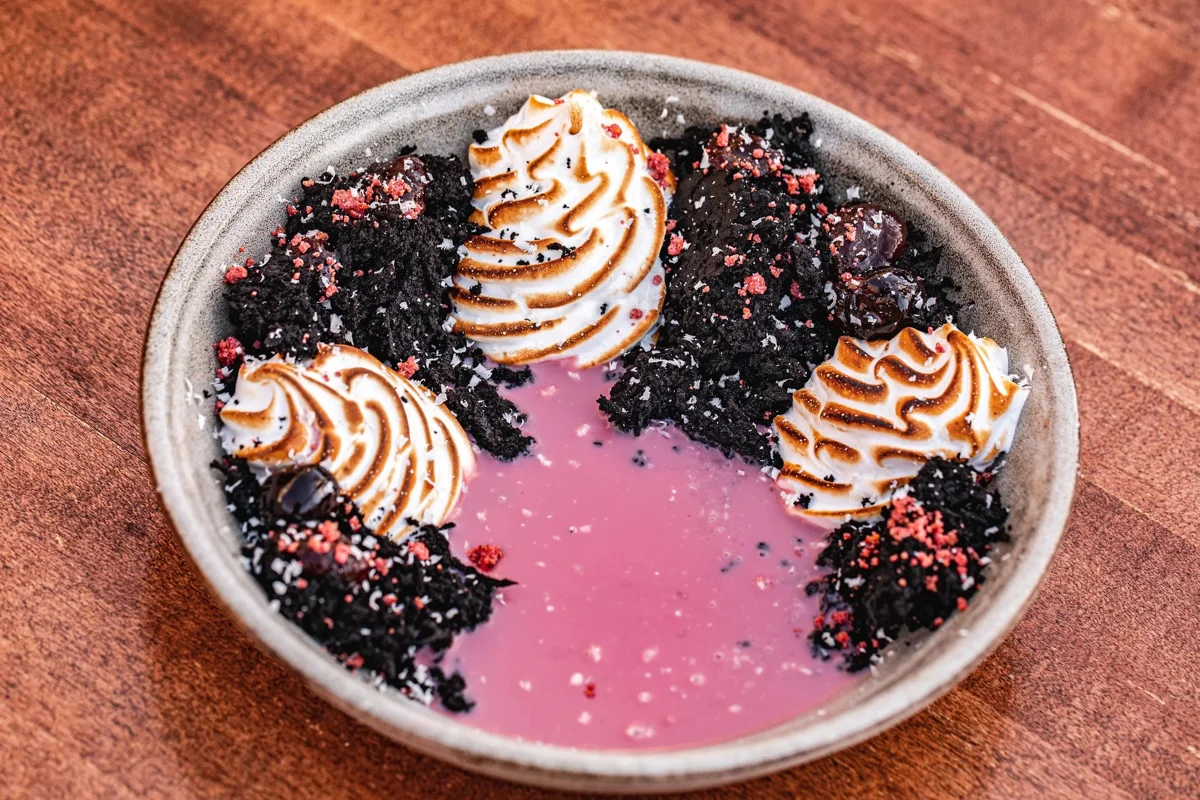 Credit: Rye, Apothecary
 An elevated update to the 1960s “Don’t Ask Cake,” the Sauerkraut Cake at Apothecary in Dallas demonstrates the sweet potential of slaw.
Whether spotlighting global variations, moving it from side to entrée, incorporating it into unexpected categories or even modernizing once-taboo dishes, slaws have no shortage of menu potential. And while cabbage-based creations are on the rise, they’re far from alone. “Cabbage is just the gateway,” says Datassential’s Conaghan. “The same format is what’s behind cucumber salads blowing up on social, sustainable seaweed salad quietly becoming a thing and the growing appeal of papaya salad with its funky, fishy fermented notes.”
As consumers seek out nuanced flavors, bold textures and overall novelty, these tangy offerings—whether anchored by cabbage or other fresh produce item—are ready for the spotlight.
“There’s a lot of untapped potential in this category. Cabbage is incredibly versatile—it doesn’t dominate a dish with its own flavor, which makes it the perfect canvas for bold, dynamic ingredients,” Hawkers’ Lo says. “But what makes it most exciting to me is the texture: It holds up, it carries flavor well and it creates a craveable crunch. When you approach it thoughtfully, it can absolutely anchor a dish, not just accompany one.”
About the Author
 Nicole Duncan is the digital managing editor of Flavor & the Menu. She's reported on the restaurant industry for a decade, most recently as the editor of FSR magazine. In 2021, she won a Folio award for her feature on restaurant tycoon Tilman Ferttita. The following year, FSR was awarded Best Overall Issue for its May 2022 issue featuring Andrew Zimmern. She has profiled well-known chefs including Paola Velez, Fabio Viviani and Daniel Boulud, but also relishes the opportunity to spotlight under-the-radar trends and innovators.Click to Read More Stories by Nicole Duncan
The New Sauce Economy: How Flavor Drives Chicken Innovation Sauces, dips and drizzles are becoming the fastest path to menu differentiation
Flavor Trends, Strategies and Solutions for Menu DevelopmentA...

Chimichurri Makes Its Move Menu concepts from Kitchen Collaborative 2026 showcase expanded potential for the herbaceous Latin American sauce
Flavor Trends, Strategies and Solutions for Menu Development[google_sidebar_ad adslug="2026-08-Surrounds-SupHerb-320x50"...
Best of Flavor 2026 Our Best of Flavor issue brings together 101 standout menu concepts, reflecting the creativity shaping today’s menus
Flavor Trends, Strategies and Solutions for Menu DevelopmentHERO CAPTION HERE, HERE AND HERE HERO...
