State of the Plate: Noodling Around Asia
From ramen and pho to “Sprite” noodles and global mash-ups
The myth that Marco Polo introduced noodles to Western culinary culture has long since been debunked. In fact, noodles had been cooking in European kitchens well before Polo set out on his explorations. It is apparently true, however, that he was so impressed with the variety and quality of the noodles he found in Asia that he carried samples home to Venice.
But his enthusiasm didn’t translate into influence. James Beard’s encyclopedic 1972 volume American Cookery, for example, extols “outstandingly popular” egg noodles favored by Pennsylvania Germans, French, Hungarians and other Middle-European groups. He also nods to the popularity of Italian pastas like macaroni but fails to acknowledge Asian types.
Early Favorites
Despite the snub, Americans haven’t been completely ignorant of Polo’s finds. Cantonese-American versions of chow mein and lo mein have been staples on Chinese restaurant menus for decades. Made of wheat flour, the difference between the two lies in preparation: Chow mein noodles are typically fried in a wok and have a characteristic crispness that’s lacking in lo mein. While chefs haven’t monkeyed much with the originals, a notable exception is Jacky’s Spicy Sprite Noodles at Mission Chinese Food in New York City and San Francisco. Inspired by a social media trend, the dish is made with bean sprouts and garlic chives in a slightly citrusy, effervescent dressing and served chilled.
Thai cuisine entered the American mainstream in earnest following changes to immigration policy in the 1960s. As Thai restaurants moved inland from the coasts, pad Thai became a natural calling card for restaurateurs looking to lure diners. Typically made with stir-fried rice noodles, aromatics and protein, the frequent addition here of vegetables and peanuts makes an easy-to-like dish that has been adapted to many casual-dining menus. At Lazy Dog, the protein-forward Thai Noodles bowl is made with shrimp, ground chicken, tofu and stir-fried egg, along with peanuts, bean sprouts and pad Thai sauce.
Ramen Riffs
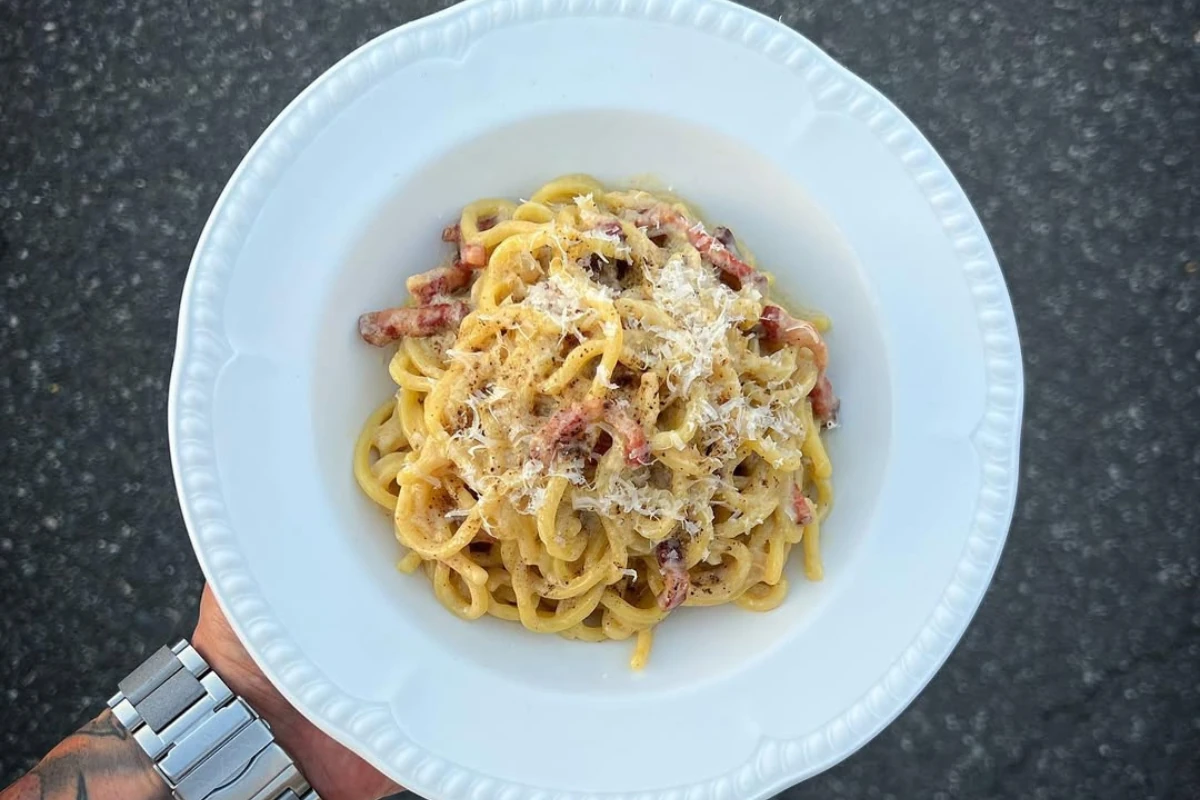 Credit: Pasta Ramen
 Wafu-Italian concept Pasta Ramen substitutes mochi noodles in place of spaghetti in its Ramen Carbonara Tsukemen.
Japanese ramen noodles, long-time staples of dormitory life and late-night noshing everywhere, got a new lease on life thanks in great part to Momofuku Noodle Bar, which opened in New York City in 2004 and paid homage to Momofuku Ando, the Japanese inventor of instant noodles.
Its impact and influence opened the door to next-gen experimentation and all manner of mash-ups. New York’s Ramen by Ra does turn-away business with its take on asa ramen, or breakfast noodles, lending a distinctly Big Apple accent to the Everything Egg Drop Ramen (with sesame-shoyu, fluffed egg, crispy shallots, chile threads and everything crunch). By contrast, Lox Ramen is made with the requisite salmon, plus nori-shoyu, cream cheese foam, pickled red onion, fried capers and dill.
Speaking of culinary fusion, Pasta Ramen, based in Montclair, N.J., has merited James Beard recognition with its Wafu-Italian menu that blends Japanese technique with Italian ingredients in dishes like like Kezuri Ramen, with leek, goat cheese, potato fritti and limone, and Ramen Carbonara Tsukemen with mochi noodles.
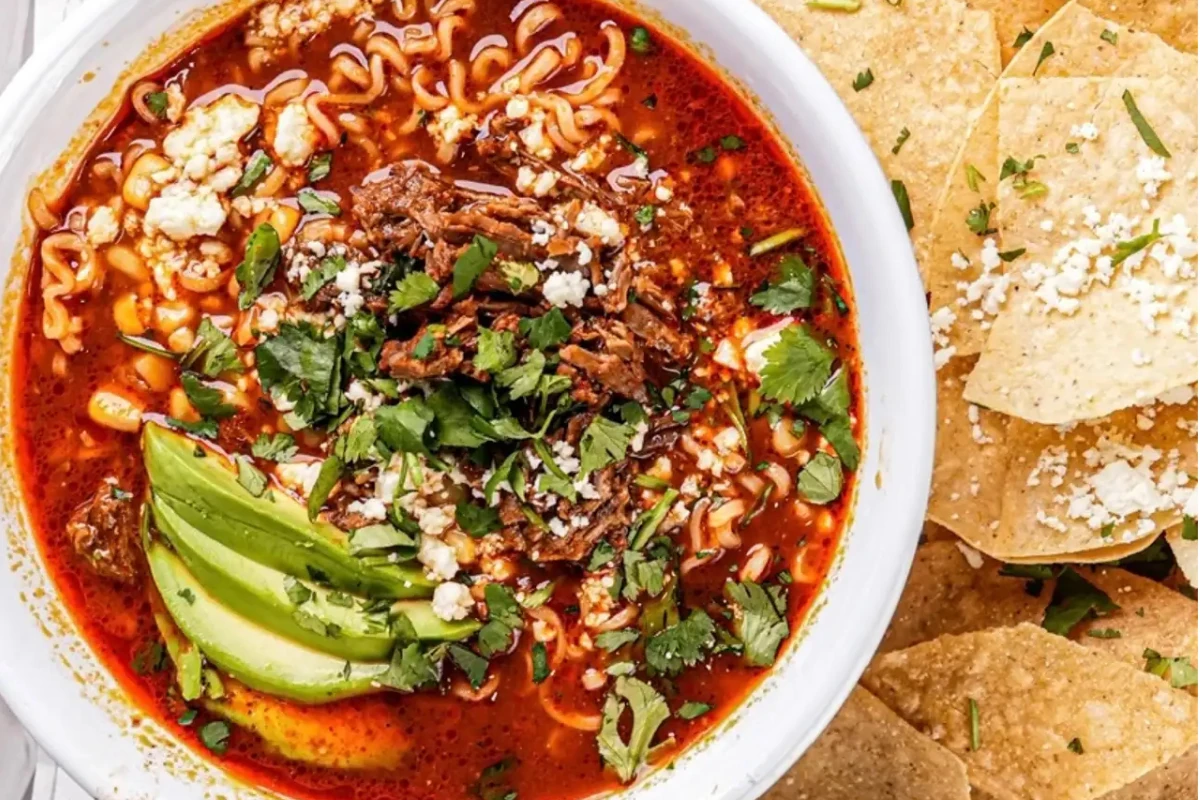
The ramen category recently received another shot in the arm thanks to its outside-the-box pairing with birria, the Mexican beef stew that has stormed menus and taken contemporary comfort in an unexpected direction. It’s become a staple at many independent operations, as at Los Jefes Grill, just outside of New Orleans proper, where house favorites include Jefes Birria Ramen, which tops birria broth with corn, avocado, cilantro and onions. Jinya Ramen Bar has been promoting Birria Ramen that fuses spiced beef with chicken broth cooked with red and green onion, cilantro and lime.
New Editions
Noodles offer diners a familiar means to test-drive unfamiliar flavors. Their approachability is the basis for the global menu at Noodles & Company, where Asian features include limited-time specials like Indonesian Peanut Chicken Sauté, with rice noodles in a spicy peanut sauce, and Chili Garlic Ramen, with vegetables in an Asian spice blend. The standard menu offers Japanese Pan Noodles, caramelized udon noodles in sweet soy glaze and black sesame seeds; Pad Thai with scrambled eggs and peanuts; and Spicy Korean Steak Noodles, ramen with marinated steak in sweet-and-spicy Korean-style gochujang barbecue sauce.
And pho, the aromatic Vietnamese soup made with rice noodles, has been on the move of late. Mecha Noodle Bar, expanding off its base in the Northeast, encourages slurping with options like Pho Bo Vien, an “authentic bowl” of rare beef and meatballs to which tripe and tendon are recommended add-ons. The Pho King, on the other hand, is a much less authentic dish, made with New York strip steak with chimichurri marrow oil.
Outlook and Opportunity
 Credit: Los Jefes Grill
 In New Orleans, Los Jefes Grill infuses ramen with Mexican ingredients and flavors in a birria hybrid, in which the hardy noodles prove they’re more than capable of anchoring the hearty meat-based stew.
The variety and versatility of the noodle category offer a long runway of opportunity and exploration. Chicago-based Sunda New Asian, which touts its modern approach to pan-Asian cuisine, serves up Korean favorite Chap Chae, with sweet potato noodles, and Pancit Canton, a Filipino noodle specialty with crispy pork belly.
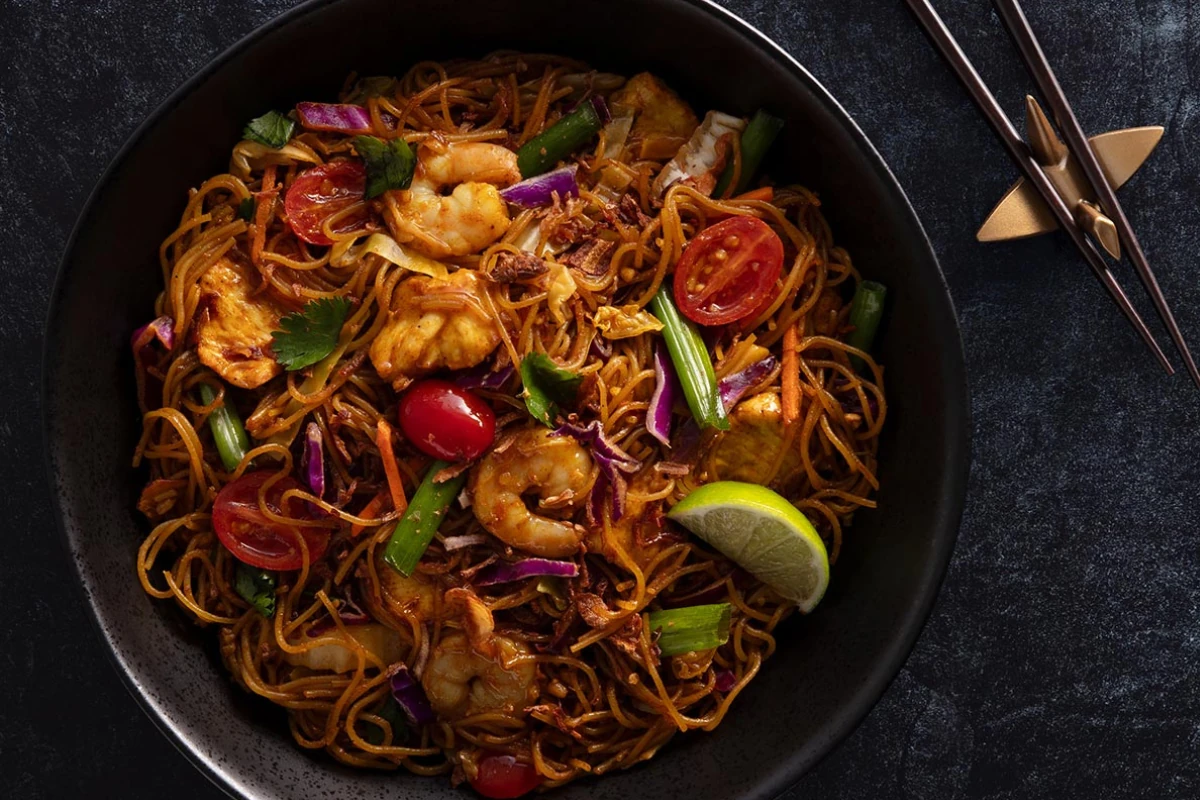
Chains are going deeper into the global pantry, too. P.F. Chang’s tempts patrons with Singapore Street Noodles, thin rice noodles in a light curry sauce, and Hawkers Asian Street Food highlights dishes like Yaki Udon, thick noodles with chicken, eggs and veggies and a chile finish.
There’s daypart potential as well, particularly at breakfast and brunch. For inspiration, chefs might look to Houston, where Pho Saigon and Pho Binh are both longtime morning favorites for A.M. noodle seekers. And restaurants that feature hand-pulled noodles are adding an element of theater to the meal à la Benihana. Specialists like DH Noodles in New York and Master Noodle in the Twin Cities treat diners to both dinner and a show.
About the Author
 Nancy Kruse is a recognized authority and widely quoted spokesperson on food and menu trends. She is president of The Kruse Company, which is dedicated to assessing trends and directions in food, menu and restaurant concepts; she has tackled these topics in the pages of leading industry publications and forums. Prior to founding her own company, Nancy served as Executive Vice President for Technomic, Inc., where she conducted a wide range of consulting assignments for Fortune 500 food and restaurant companies. She has served on several boards, and she has been an active member of the Women's Foodservice Forum and Las Dames d'Escoffier International.Read More Stories by Nancy Kruse
State of the Plate: Unpeeling Bananas’ Menu Potential Fresh builds featuring America’s favorite fruit
Flavor Trends, Strategies and Solutions for Menu DevelopmentRuby Slipper & Ruby Sunshine are all...
State of the Plate: Ube’s Purple Reign Will the violet yam hit matcha levels of menu ubiquity?
Flavor Trends, Strategies and Solutions for Menu DevelopmentIn a viral crossover, Van Leeuwen teamed...
State of the Plate: Not-So-Sweet Desserts to Savor Tapping salty, earthy, tangy and herbaceous notes
Flavor Trends, Strategies and Solutions for Menu Development[google_sidebar_ad...
